
 Student Helpline! +91 9717172071
  Apply Here

MBBS in Russia for Indian Students
2026 Complete Guide — Everything You Need to Know Before You Decide
By MBBSDirect.com | Updated: March 2026
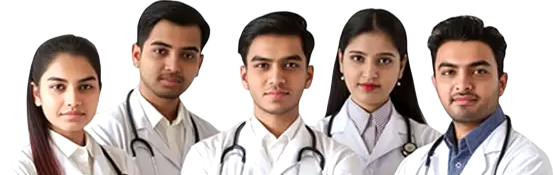
Why Do Indian Students Choose Russia for MBBS?
Every year, more than 15,000–18,000 Indian students travel to Russia to pursue MBBS. The number is growing — and for good reason. India has one of the world’s most competitive medical entrance systems. With over 23 lakh students appearing for NEET and only around 1.1 lakh government MBBS seats available, the gap is enormous. Private colleges often bridge this gap, but at a cost — often ₹60 Lakh to ₹1 Crore or more over five years.
Russia offers an alternative that many families find worth considering: established universities, English-medium programs, affordable fees, and no donation or capitation. However, like every major life decision, studying medicine in Russia comes with its own set of realities — both advantages and challenges — that every student and parent must understand before signing an admission letter.
This guide covers every aspect in plain, honest language: the course structure, fees, top universities, NMC rules, FMGE realities, life in Russia, and how to make the right choice for your specific situation.

Want To Study In Russia?
Fill this form and get free consultation from our Experts.
MBBS in Russia — Quick Facts at a Glance
Before diving into details, here is a snapshot of everything important:
| Degree Awarded | MBBS (equivalent: General Medicine / MD) |
| Course Duration | 6 years (pre-clinical + clinical training) |
| Medium of Instruction | English (most universities); Russian for clinical practice |
| Annual Tuition Fees | ₹2.5 Lakh – ₹6 Lakh per year (varies by university) |
| Total Estimated Cost | ₹18 Lakh – ₹55 Lakh (6 years, all-inclusive) |
| NEET Requirement | Mandatory for Indian students (NMC rules) |
| Global Recognition | Listed in WHO World Directory of Medical Schools |
| NMC Approval | Eligible after clearing FMGE / NExT screening exam |
| Academic Session | Begins September / October each year |
| No. of Seats | Large intake — direct admission (no donation/capitation) |
| Language Training | Russian language taught from Year 1 |
| Internship | Included within 6-year program |
💡 Russia’s General Medicine program is equivalent to MBBS. Your degree will read ‘Doctor of General Medicine’ — this is fully acceptable for the FMGE / NExT licensing exam in India.
Course Duration & Curriculum — Year by Year
The MBBS equivalent program in Russia is called General Medicine and spans 6 years. There is no separate internship year — clinical rotations are built into the final years of the program.
| Year | Phase | Subjects / Focus Areas |
| Year 1 | Pre-Clinical | Anatomy, Histology, Biochemistry, Russian Language (basic) |
| Year 2 | Pre-Clinical | Physiology, Microbiology, Pathological Anatomy, Russian Language (intermediate) |
| Year 3 | Para-Clinical | Pathophysiology, Pharmacology, Propedeutics of Internal Medicine, Russian Language (clinical) |
| Year 4 | Clinical | Internal Medicine, Surgery, Pediatrics, Neurology, Psychiatry |
| Year 5 | Clinical | Obstetrics & Gynaecology, ENT, Ophthalmology, Infectious Diseases, Oncology |
| Year 6 | Clinical+Internship | Rotations across all departments, Final Exams, Clinical Internship |
Year 1 & 2 — Building the Foundation
The first two years are heavily theoretical. Students study Anatomy, Physiology, Biochemistry, and Histology. Simultaneously, they begin learning the Russian language — a skill that becomes critical in Years 4–6 when they interact with patients in hospitals.
💡 Russian language classes may feel like an extra burden in Year 1, but students who take it seriously in the early years have a much smoother clinical experience later.
Year 3 — Transition to Clinical Thinking
Year 3 introduces Pathology, Pharmacology, and Propedeutics (introduction to patient examination). Students begin hospital visits and learn to examine patients under supervision.
Years 4, 5 & 6 — Hospital-Based Clinical Training
These are the most important years. Students rotate through various departments — Internal Medicine, Surgery, Paediatrics, Gynaecology, Neurology, and more. Year 6 includes final examinations and an intensive clinical internship.
Most Russian universities have their own affiliated teaching hospitals. The quality and volume of clinical exposure depends significantly on the university’s location and hospital size. Universities in larger cities (Moscow, Saint Petersburg) generally offer higher patient volumes.
Eligibility Criteria & Admission Process
Here’s how MBBSDIRECT can guide you through the admission process for studying MBBS from Russia:
Academic Requirements
- Must have completed Class 12 (10+2) with Physics, Chemistry, and Biology
- Minimum 50% marks in PCB (Physics, Chemistry, Biology) for General category
- Minimum 40% marks for SC/ST/OBC category (as per NMC guidelines)
- Must have qualified NEET (National Eligibility cum Entrance Test)
- Must be at least 17 years old on or before 31st December of the admission year
Documents Required for Admission
- Class 10 Marksheet & Certificate
- Class 12 Marksheet & Certificate
- NEET Score Card
- Valid Passport (minimum 1.5 years validity)
- Passport-size photographs
- Birth Certificate
- Medical Fitness Certificate
- Police Clearance Certificate (required for visa)
Step-by-Step Admission Process
| Step 1 | Clear NEET: NEET qualification is mandatory for Indian students applying to any foreign medical university under NMC rules. |
| Step 2 | Select & Verify University: Check the university’s recognition in the WHO World Directory of Medical Schools (wdoms.org). Verify NMC compatibility. |
| Step 3 | Apply & Receive Offer Letter: Submit academic documents (Class 10, 12 marksheets, NEET scorecard, passport). The university issues an official offer/invitation letter. |
| Step 4 | Pay Initial Fees: Pay the first-year tuition and hostel deposit as per the university’s instructions. |
| Step 5 | Apply for Student Visa: Apply for a Russian Student Visa at the Russian Embassy / Consulate in India using the offer letter, admission documents, and other required paperwork. |
| Step 6 | Travel & Arrive: Most universities arrange airport pickup. Report to the university hostel and complete registration formalities. |
| Step 7 | Begin Classes: The academic session typically starts in September–October. |
Top Medical Universities in Russia for Indian Students
Russia has over 40 universities that admit international medical students. Below are some of the most well-known institutions, along with approximate fees. Note: All fees are approximate and subject to change. Always verify directly with the university or an authorised representative.
| University | City | Annual Fees (Approx.) | Key Highlight |
| Sechenov First Moscow State Medical University | Moscow | ~₹15 L / yr | One of Russia’s oldest & most reputed |
| Kazan Federal University (Medical Faculty) | Kazan | ~₹7.5 L / yr | Strong research facilities |
| Peoples’ Friendship University (RUDN) | Moscow | ~₹9 L / yr | High international student intake |
| North Western State Medical University | Saint Petersburg | ~₹5.8 L / yr | Top-ranked, historic institution |
| Crimea Federal University | Simferopol | ~₹5.3 L / yr | Affordable; Mediterranean climate |
| Volgograd State Medical University | Volgograd | ~₹6.6 L / yr | Budget-friendly; English program available |
| Tver State Medical University | Tver | ~₹5.5 L / yr | Good clinical training; lower cost |
| Kursk State Medical University | Kursk | ~₹5.9 L / yr | Large Indian student community; FMGE-focused |
| National Nuclear Research University – MEPhI | Moscow | ~₹8 L / yr | Good clinical training; Strong research facility |
| Kuban State Medical University | Krasnodar | ~₹5.9 L / yr | Budget-friendly; Moderate Climate |
💡 Before finalising a university, check: (1) Is it listed on wdoms.org? (2) Does it have its own teaching hospital? (3) Is the English-medium program officially offered? (4) What is the Russian government accreditation status?
Capital Cities vs Regional Cities — What to Prefer?
Moscow & Saint Petersburg: Higher cost of living, larger and more established hospitals, more international student infrastructure, better transport links to India.
Regional Cities (Kursk, Volgograd, Ufa, etc.): Significantly lower living costs, smaller cities, strong Indian student communities, good English-medium programs, and in some cases — more personal attention from faculty.
Complete Fee Structure & Cost of MBBS in Russia
Understanding the total financial commitment — not just tuition fees — is critical before making the decision.
| Expense Category | Per Year (Approx.) | 6-Year Total (Approx.) |
| Tuition Fees | ₹2.5 – 6 Lakh | ₹15 – 36 Lakh |
| Hostel / Accommodation | ₹40K – 90K | ₹2.4 – 5.4 Lakh |
| Food & Daily Expenses | ₹80K – 1.5 Lakh | ₹4.8 – 9 Lakh |
| Medical & Health Insurance | ₹10K – 20K | ₹60K – 1.2 Lakh |
| Travel (India ↔ Russia) | ₹40K – 80K | ₹2.4 – 4.8 Lakh |
| Books & Study Materials | ₹20K – 40K | ₹1.2 – 2.4 Lakh |
| Visa & Documentation | ₹15K – 25K | ₹15K – 25K (one-time) |
| GRAND TOTAL (Estimate) | ₹4.5 – 9.5 Lakh / yr | ₹27 – 57 Lakh |
💡 Always get a full fee breakdown in writing from the university before paying anything. Include hostel charges, medical insurance, and annual registration fees. Hidden costs are rare at established universities but not unheard of with middlemen.
Payment & Currency
Tuition fees at most Russian universities are quoted in US Dollars or Russian Rubles. Rupee conversion rates fluctuate, so plan for a 10–15% currency buffer in your annual budget. Most universities allow fees to be paid via bank transfer in installments — confirm the payment schedule in advance.
MBBS in Russia vs MBBS in India — Honest Comparison
This is the comparison most families actually need to make: Russia vs private medical colleges in India.
| Factor | MBBS in Russia | Private MBBS India |
| Total 6-Year Cost | ₹30–55 Lakh (all-in) | ₹60 L – ₹1 Cr+ (tuition + donation) |
| Admission Difficulty | NEET qualify (pass) + basic eligibility | NEET + management quota + high fees |
| Donation / Capitation | Not applicable | Often ₹20–60 Lakh extra |
| Medium of Instruction | English (+ Russian practical) | English |
| Clinical Exposure | Structured; city-dependent | Varies; large pvt. hospitals good |
| Post-Graduation Exam | FMGE / NExT required | No extra exam |
| Hostel & Living Cost | Affordable (₹40K–1.5L/yr) | On/off campus (varies) |
| Indian Food / Culture | Available in major cities | Readily available |
| Overall Suitability | Good if NEET passed, budget-conscious | Good if seats & quality verified |
Key Takeaway: If you compare Russia primarily to Indian private medical colleges (not government colleges), Russia is often significantly cheaper and has no donation requirement. However, you will need to clear the FMGE / NExT exam to practice in India — which Indian private college graduates do not need to clear.
MBBS in Russia vs Other Countries — How Does It Compare?
Indian students often compare Russia with Kazakhstan, Kyrgyzstan, Uzbekistan, and China. Here is a practical summary:
| Factor | Russia | Kazakhstan | Kyrgyzstan | Uzbekistan | China |
| Academic Reputation | ★★★★ | ★★★ | ★★★ | ★★★ | ★★★★ |
| 6-Year Total Cost | ₹20–45L | ₹12–22L | ₹10–18L | ₹14–24L | ₹18–35L |
| English Medium | Yes ✓ | Yes ✓ | Yes ✓ | Yes ✓ | Yes ✓ |
| Hospital Exposure | Good | Moderate | Good | Good | Very Good |
| Climate | Very cold | Moderate cold | Moderate cold | Hot/Moderate | Varied |
| Post-MBBS FMGE | Required | Required | Required | Required | Required |
| Indian Community | Large | Very large | Large | Growing | Large |
| Visa Ease (Indians) | Moderate | Easy | Easy | Easy | Restricted |
Important Note on China: After COVID-19, many Indian students who studied in China faced difficulties returning. The situation has largely been resolved, but visa access and bilateral relations should be independently verified before choosing China.
Russia’s Unique Strength: Among all these countries, Russia has the longest history of medical education (dating to the Soviet era), more established universities, and a large Indian student community with support systems in place.
NMC Guidelines for Studying MBBS Abroad
What Every Indian Student Must Know
The National Medical Commission (NMC) of India has laid down specific rules for Indian students pursuing MBBS abroad. Non-compliance can make you ineligible to practice medicine in India. Here are the key rules:
NEET is Mandatory
From 2018 onwards, NEET qualification is compulsory for all Indian students seeking admission to foreign medical universities. There is no exception. If you are not NEET qualified, you cannot legally pursue MBBS abroad as an Indian citizen under NMC rules.
Minimum Course Duration
The foreign medical degree must have a minimum duration of 54 months (4.5 years) of academic study, plus internship. The 6-year Russian program comfortably meets this requirement.
English Medium of Instruction
The primary medium of instruction must be English. Clinical teaching in the local language (Russian, in this case) does not disqualify you, but the core program must be English-medium. Always get written confirmation from the university that their program is officially recognised as English-medium.
Full-Time Program
The program must be full-time and residential. Distance or online medical education is not recognised by NMC.
FMGE / NExT Screening Exam
Upon returning to India after completing MBBS abroad, foreign medical graduates must clear the FMGE (Foreign Medical Graduate Examination) — now being transitioned to NExT (National Exit Test) — to obtain a license to practice medicine in India. Only after clearing this exam can you do a compulsory rotating internship in India.
University Must Be Recognized
The university must be listed in the WHO World Directory of Medical Schools (wdoms.org) and must be recognized by the medical regulatory authority of Russia (Ministry of Health). Always verify both before admission.
💡 NExT is India’s new unified licensing exam that will replace both FMGE (for foreign graduates) and the final MBBS exam (for Indian college graduates). Stay updated with NMC notifications as implementation timelines may change.
How to Verify a Russian Medical University — Step-by-Step
This is one of the most important sections in this guide. Unfortunately, there are fraudulent agents and unrecognized institutions that take advantage of students. Here is exactly how to verify:
| Step 1 | Check WHO Directory: Go to wdoms.org → search the university name → confirm it appears. If it is not listed, do not proceed. |
| Step 2 | Verify Russian Ministry of Health / Rosobrnadzor Accreditation: The university should be accredited by Russia’s Federal Service for Supervision in Education and Science (Rosobrnadzor). Ask the university to provide their state accreditation certificate. |
| Step 3 | Confirm NMC Eligibility: Email NMC (nmc.org.in) to ask if the specific university’s program is eligible for FMGE / NExT. Keep a record of the response. |
| Step 4 | Verify Teaching Hospital Affiliation: Ask the university to provide the name and address of affiliated teaching hospitals. Cross-check on the hospital’s own official website. |
| Step 5 | Demand an Official Admission Letter: The admission letter should be on the university’s letterhead, with the registrar’s signature and official seal. Beware of letters from intermediary agents instead of the university itself. |
| Step 6 | Talk to Current Students: Ask the university for a list of currently enrolled Indian students, or connect through established Indian student communities in Russia. Their firsthand experience is invaluable. |
FMGE & NExT — The Licensing Exam Every Russia MBBS Student Must Clear
This is the most important post-MBBS reality that students often underestimate. Historically, the FMGE pass rate has been low — around 15–30% in most years. This means the majority of students who return from abroad do not clear the exam on their first attempt.
Why Is the Pass Rate Low?
- The exam is comprehensive — 300 MCQs covering all subjects of MBBS
- Students who study abroad often have a gap in MCQ-pattern practice
- Conceptual depth in certain subjects may not match Indian exam standards
- Many students start preparing too late — only in Year 5 or 6
- Some universities have weak clinical training, leading to poor practical understanding
How to Prepare for FMGE / NExT During Your MBBS in Russia
- Start from Year 2 — build strong conceptual clarity in basic sciences (Anatomy, Physiology, Biochemistry, Pathology, Pharmacology)
- Use standard Indian medical textbooks (Harrison’s, Robbins, K.D. Tripathi for Pharmacology)
- Practice MCQs from Year 3 onwards — FMGE-specific question banks are available online
- Join online FMGE coaching programs available for students studying abroad (live + recorded classes)
- Use Year 6 and internship time intensively for revision
- Don’t neglect clinical subjects — Surgery, Medicine, Gynaecology carry heavy weightage
💡 Students from universities like Kursk State Medical University, Volgograd, and Kazan who maintain their FMGE preparation throughout 6 years consistently achieve better pass rates than those who start late.
Life in Russia for Indian Students
What to Really Expect
Language — The Biggest Adjustment
This is the single most underestimated challenge. While your lectures are in English, your clinical training takes place in Russian. Patients speak Russian. Hospital staff communicate in Russian. Clinical case notes are written in Russian.
Universities teach Russian from Year 1. Students who put effort into learning conversational Russian (even basic to intermediate level) have a dramatically better clinical experience in Years 4–6. Those who skip language classes and only focus on academic English content often struggle significantly during hospital rotations.
Climate — Prepared Minds Adapt
Russia can get extremely cold. Depending on the city:
- Moscow & Saint Petersburg: -15°C to -25°C in winter (December–February)
- Volgograd, Kursk: -10°C to -20°C
- Siberian cities: Even colder
- Crimea (Simferopol): Milder Mediterranean climate — coldest around -5°C
Most students adapt within the first year. Warm clothing, proper boots, and indoor heating are standard — Russian universities and hostels are well-heated. The bigger adjustment is shorter daylight hours and limited outdoor activity in winter months.
Food — Better Than You Might Think
Indian food is available in most cities with significant Indian student populations. Indian grocery stores, vegetarian restaurants, and WhatsApp groups sharing food delivery resources make it manageable. Learning to cook basic Indian food is highly recommended for students who have strong food preferences.
Hostel Life
Most universities provide on-campus hostels for international students. Rooms are typically shared (2–4 students). Facilities include common kitchens, common rooms, and sometimes canteens. Hostel quality varies by university — always ask for photos or student reviews before assuming quality.
Safety
Russia’s major cities are generally safe for international students. Large cities like Moscow and Saint Petersburg have significant expat populations. That said, basic urban precautions apply — especially in unfamiliar areas or late at night. Indian student communities in most cities have WhatsApp groups that help new arrivals navigate the environment safely.
Cultural Adjustment
Russian culture is formal in academic settings and warmer in personal relationships. Students should be prepared for direct communication styles, a strong academic discipline culture, and differences in social norms. Most Indian students report that cultural adjustment, while real, becomes comfortable within 6–12 months.
Who Should Choose MBBS in Russia?
Russia is genuinely a good fit if you match most of the following profile:
- You have cleared NEET but did not get a government seat in India
- Your family cannot afford ₹60 Lakh+ for a private MBBS in India
- You are genuinely motivated to become a doctor — self-discipline is your strength
- You are open to learning another language and adapting to a different culture
- You understand the FMGE / NExT requirement and are willing to prepare for it seriously
- You are comfortable with 6 years away from home in a cold climate
- You want a medical degree with international exposure
Who Should NOT Choose MBBS in Russia?
Russia is likely not the right choice if:
- You are not genuinely committed to self-study — Russia’s system requires personal discipline
- You expect the same type of coaching-style hand-holding common in Indian coaching institutes
- You are not comfortable with cold climates and cannot imagine adapting over 6 years
- You are hoping to avoid the FMGE / NExT and practice directly in India after Russia
- Your primary motivation is only lower fees — without a plan for licensing exam preparation
- You are not comfortable with language barriers in a clinical environment
Pre-Departure Checklist — Before You Fly to Russia
- NEET scorecard confirmed and saved
- Warm winter clothing purchased
- University offer letter received (original)
- All academic documents attested / apostilled
- Student Visa stamped in passport
- University hostel booking confirmed
- Tuition fees paid (first installment)
- Emergency contact list prepared
- Medical insurance purchased
- Basic Russian phrases learned
- Police Clearance Certificate obtained
- University WhatsApp / student group joined
- Bank account with international access set up
- Travel insurance purchased
Universities for MBBS in Russia
MCI Approved Medical Colleges in Russia provide courses in English medium, allowing overseas students to acquire a high-quality education. Some of the top Russian medical colleges are given below:
-
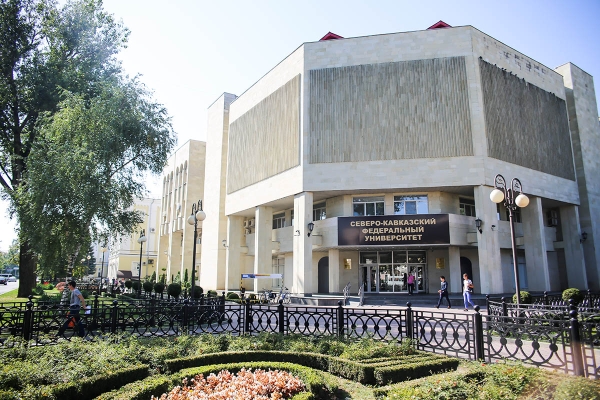 North-Caucasus Federal University
 (4.00/5)
Stream: General Medicine
Degree: MD (Doctor of Medicine)
Country: Russia
Fees: ₹30.11 Lacs
-
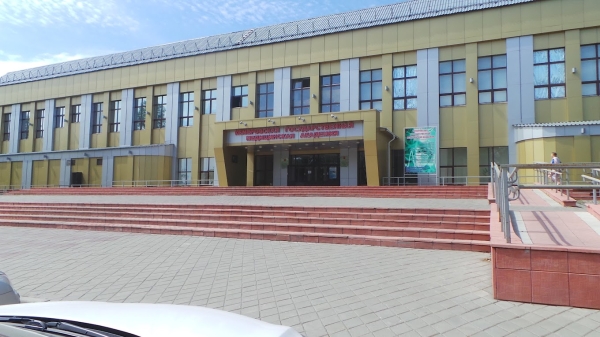 Kemerovo State Medical University (4.00/5)
Stream: General Medicine
Degree: MD (Doctor of Medicine)
Country: Russia
Fees: ₹35.72 Lacs
-
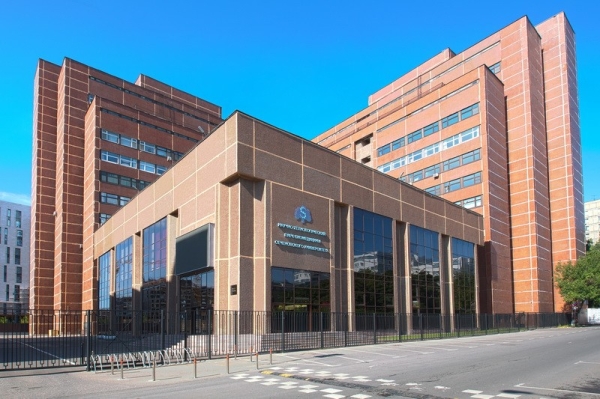 I.M. Sechenov First Moscow State Medical University
 (5.00/5)
Stream: General Medicine
Degree: MD (Doctor of Medicine)
Country: Russia
Fees: ₹99.36 Lacs
-
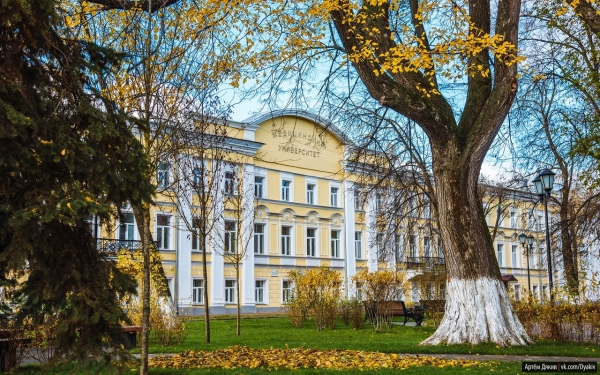 Yaroslavl State Medical University
 (4.50/5)
Stream: General Medicine
Degree: MD (Doctor of Medicine)
Country: Russia
Fees: ₹38.00 Lacs
-
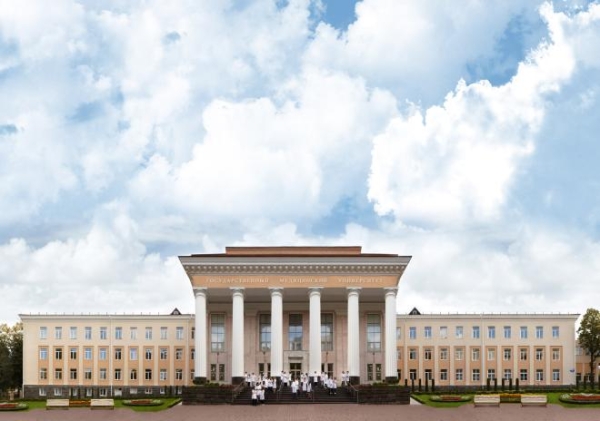 Stavropol State Medical University (4.50/5)
Stream: General Medicine
Degree: MD (Doctor of Medicine)
Country: Russia
Fees: ₹27.60 Lacs
-
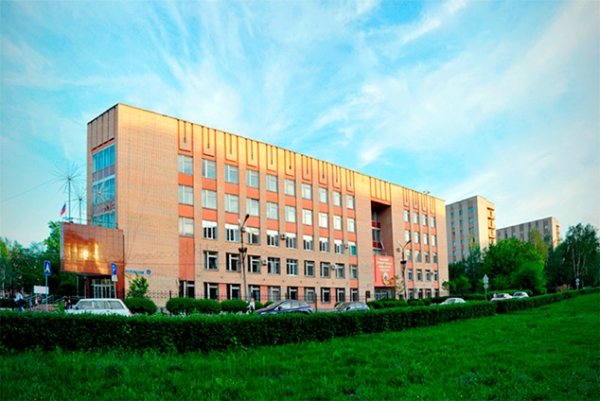 Ryazan State Medical University (5.00/5)
Stream: General Medicine
Degree: MD (Doctor of Medicine)
Country: Russia
Fees: ₹31.20 Lacs
-
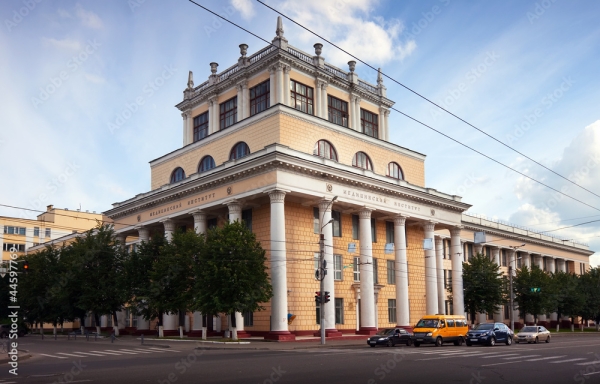 Ivanovo State Medical University (5.00/5)
Stream: General Medicine
Degree: MD (Doctor of Medicine)
Country: Russia
Fees: ₹29.65 Lacs
-
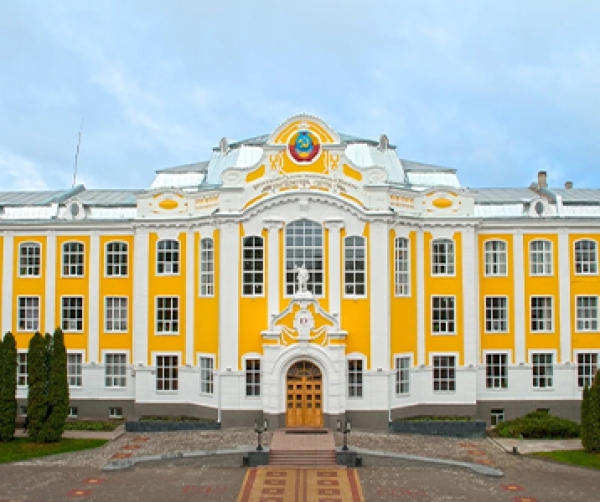 Voronezh State Medical University (5.00/5)
Stream: General Medicine
Degree: MD (Doctor of Medicine)
Country: Russia
Fees: ₹32.80 Lacs
-
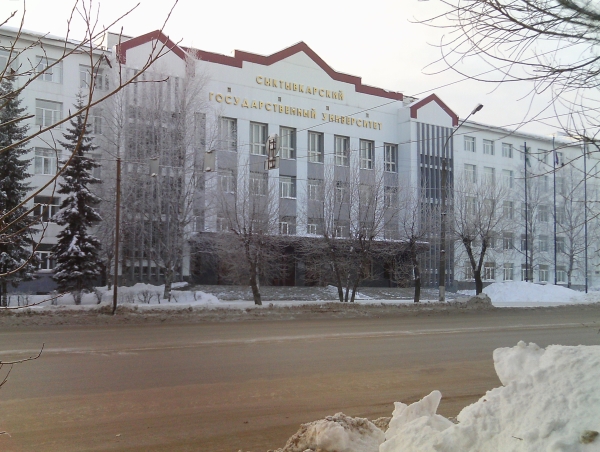 Syktyvkar State University
 (3.50/5)
Stream: General Medicine
Degree: MD (Doctor of Medicine)
Country: Russia
Fees: ₹21.42 Lacs
-
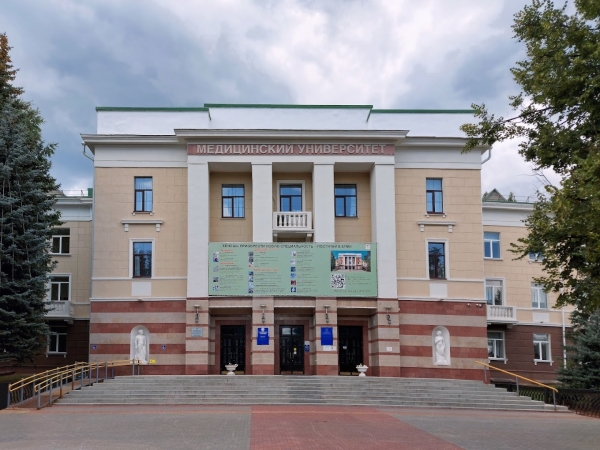 Bashkir State Medical University
 (2.50/5)
Stream: General Medicine
Degree: MD (Doctor of Medicine)
Country: Russia
Fees: ₹36.42 Lacs
-
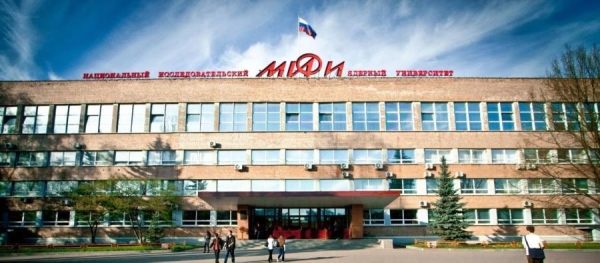 National Nuclear Research University (MEPhI) ( Moscow campus ) (5.00/5)
Stream: General Medicine
Degree: MD (Doctor of Medicine)
Country: Russia
Fees: ₹54.00 Lacs
-
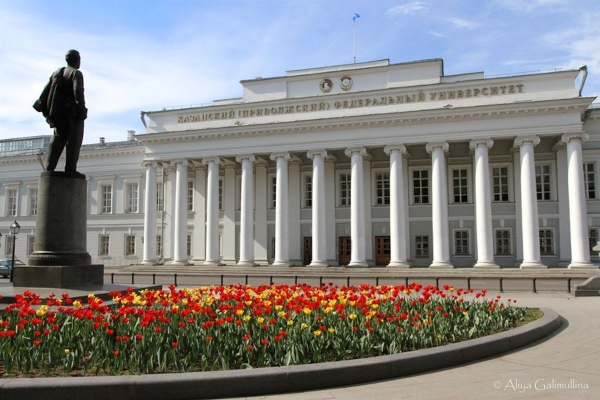 Kazan Federal University (4.00/5)
Stream: General Medicine
Degree: MD (Doctor of Medicine)
Country: Russia
Fees: ₹46.92 Lacs
-
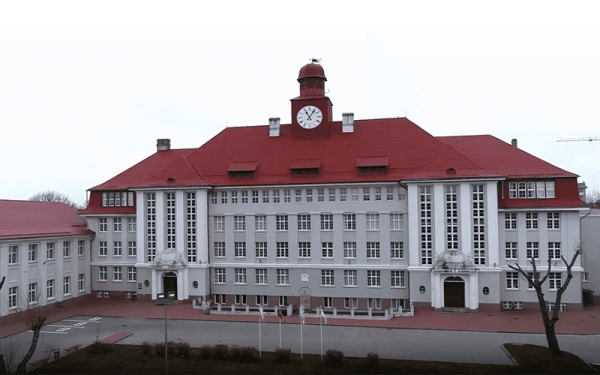 Immanuel kant Baltic Federal University (IKBFU) (4.00/5)
Stream: General Medicine
Degree: MD (Doctor of Medicine)
Country: Russia
Fees: ₹21.30 Lacs
-
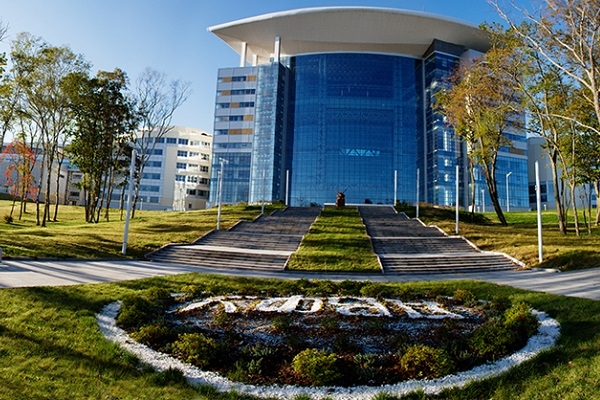 Far Eastern Federal University (FEFU)
 (3.00/5)
Stream: General Medicine
Degree: MD (Doctor of Medicine)
Country: Russia
Fees: ₹39.84 Lacs
-
 Tambov State University (4.00/5)
Stream: General Medicine
Degree: MD (Doctor of Medicine)
Country: Russia
Fees: ₹24.30 Lacs
-
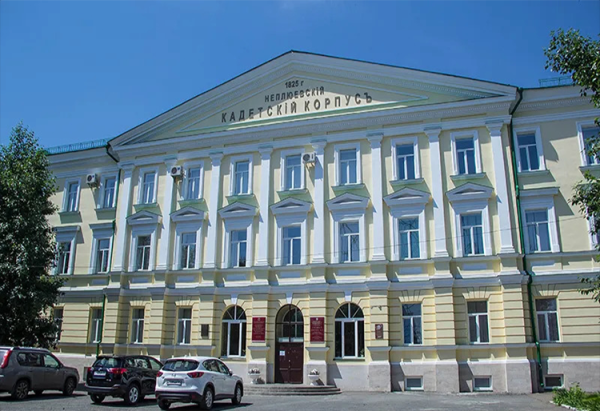 Omsk State Medical University (4.00/5)
Stream: General Medicine
Degree: MD (Doctor of Medicine)
Country: Russia
Fees: ₹29.40 Lacs
-
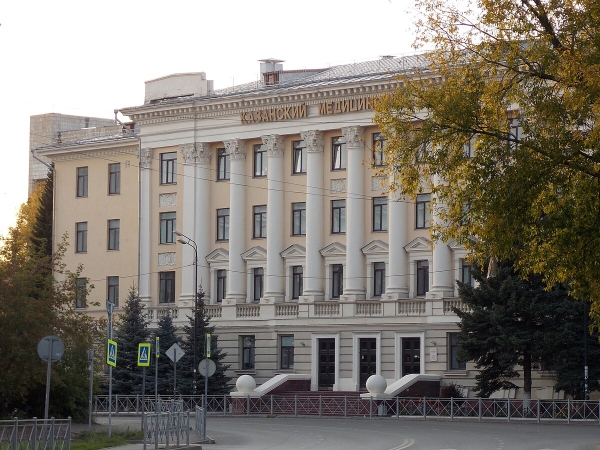 Kazan State Medical University (4.00/5)
Stream: General Medicine
Degree: MD (Doctor of Medicine)
Country: Russia
Fees: ₹50.40 Lacs
-
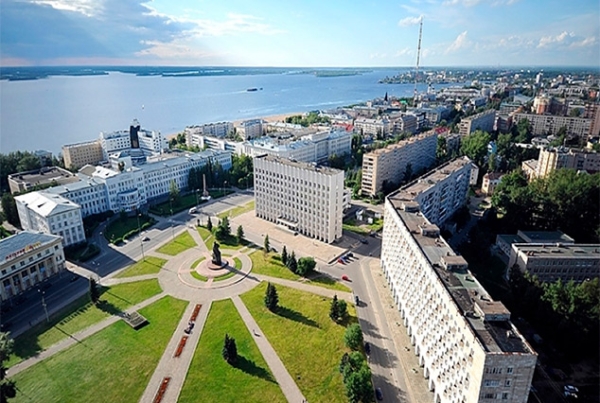 Northern State Medical University (4.50/5)
Stream: General Medicine
Degree: MD (Doctor of Medicine)
Country: Russia
Fees: ₹32.00 Lacs
-
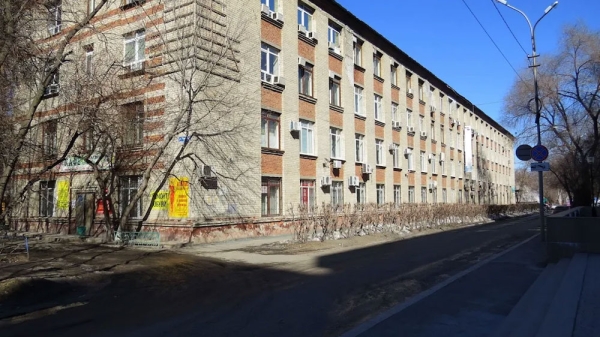 Tyumen State Medical University (4.00/5)
Stream: General Medicine
Degree: MD (Doctor of Medicine)
Country: Russia
Fees: ₹24.50 Lacs
-
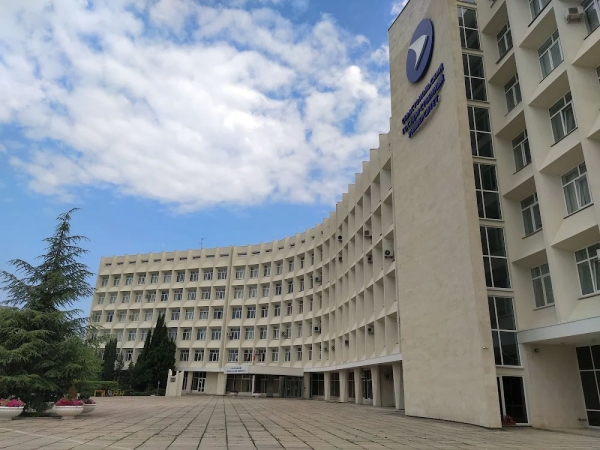 Sevastopol State University (4.00/5)
Stream: General Medicine
Degree: MD (Doctor of Medicine)
Country: Russia
Fees: ₹22.44 Lacs
-
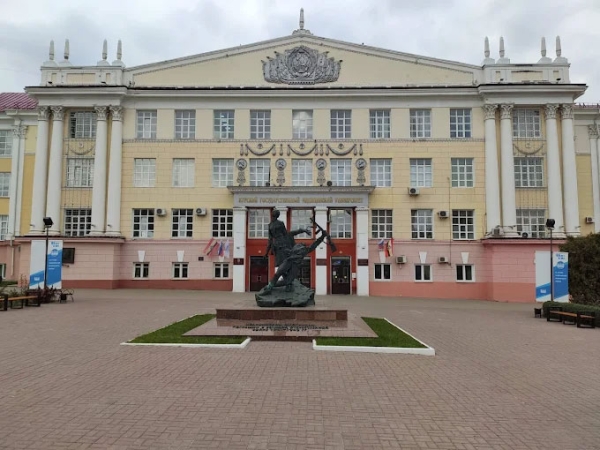 Kursk State Medical University (3.50/5)
Stream: General Medicine, Health Science
Degree: MD (Doctor of Medicine)
Country: Russia
Fees: ₹39.55 Lacs
-
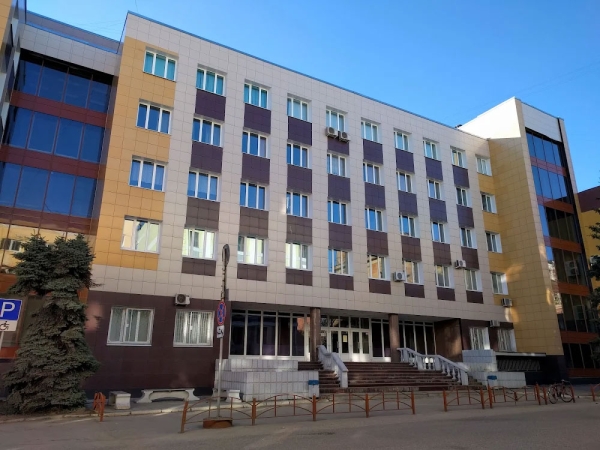 Tver State Medical University (5.00/5)
Stream: General Medicine
Degree: MD (Doctor of Medicine)
Country: Russia
Fees: ₹43.00 Lacs
-
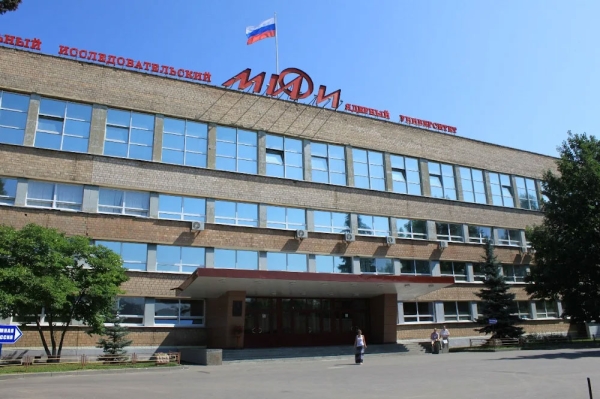 Moscow Engineering Physics University (MEPhI) ( Obninsk ) (5.00/5)
Stream: General Medicine
Degree: MD (Doctor of Medicine)
Country: Russia
Fees: ₹43.00 Lacs
-
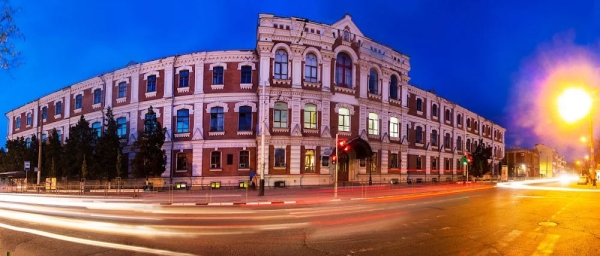 Kuban State Medical University (4.50/5)
Stream: General Medicine
Degree: MD (Doctor of Medicine)
Country: Russia
Fees: ₹40.00 Lacs
-
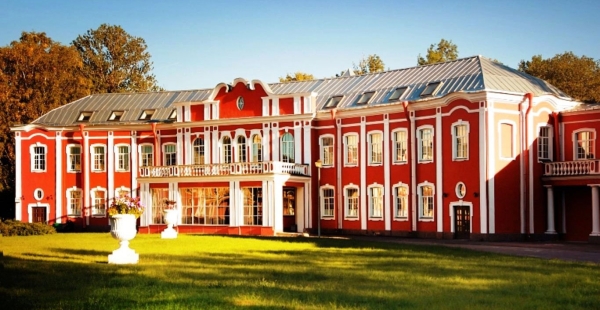 North-Western State Medical University (5.00/5)
Stream: General Medicine
Degree: MD (Doctor of Medicine)
Country: Russia
Fees: ₹46.00 Lacs
-
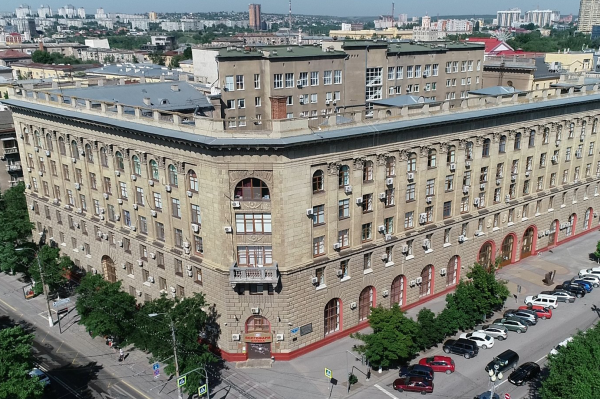 Volgograd State Medical University (4.50/5)
Stream: General Medicine
Degree: MD (Doctor of Medicine)
Country: Russia
Fees: ₹44.45 Lacs
Video Guides for MBBS in Russia
Follow Us: 


Kyrgyzstan vs Uzbekistan vs Russia MBBS 2026 | कौन सा देश बेहतर है? 🔥
MBBS in Russia, Kyrgyzstan, Uzbekistan 3 Years of FMGE Data
Kemerovo State Medical University Russia Fee Structure 2026
MBBS Abroad hidden fees exposed
Low Cost MBBS in Russia: Real Fees & Best Universities Explained
National Research Nuclear University MEPhI Russia MBBS Fee Explained 🇷🇺
MBBS in Russia 2026 Complete Guide Everything You Must Know
MBBS in Russia for Indian Students | Top Universities, Admission Deadline 2026
MBBS in Russia For Indian Students 2026: How to select better universities for MBBS.
Russia vs Kyrgyzstan Which is Better for MBBS?
MBBS in Russia: How to Get Medical License Step by Step, NMC Rules Explained
MBBS in Russia 2026: How to Choose the Right University? | Full Analysis of 65 Medical Universities
MBBS Abroad 2026: Best Country for You | Cost, Benefits & Reality Explained
MBBS Abroad 2026 | 29 Most Asked Questions | Eligibility, Visa, Hostel, Language | Full Guide
Still Unsure Which Destination is Right for You?
With so many options, making the right choice can be tough. Speak to our senior counselors today and get 100% clarity on fees, safety, and FMGE success rates.
Talk to Us: +91 9717172071
MBBS in Russia 2026 Complete Guide Best Universities, Budget, FMGE
MBBSDIRECT 2 Jul 2026 11:30 am