Student Helpline! +91 9717172071
  Apply Here



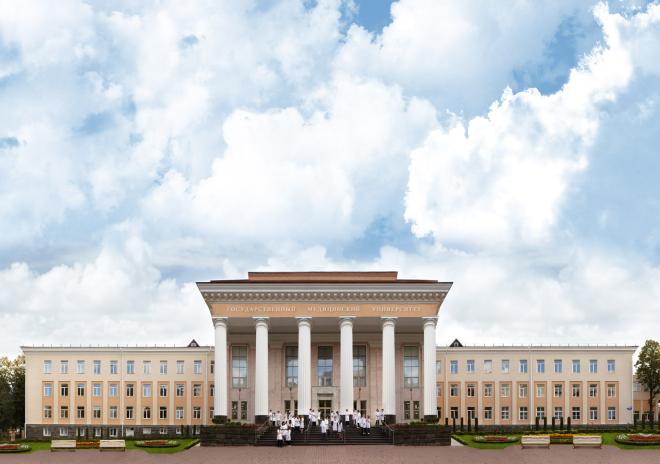
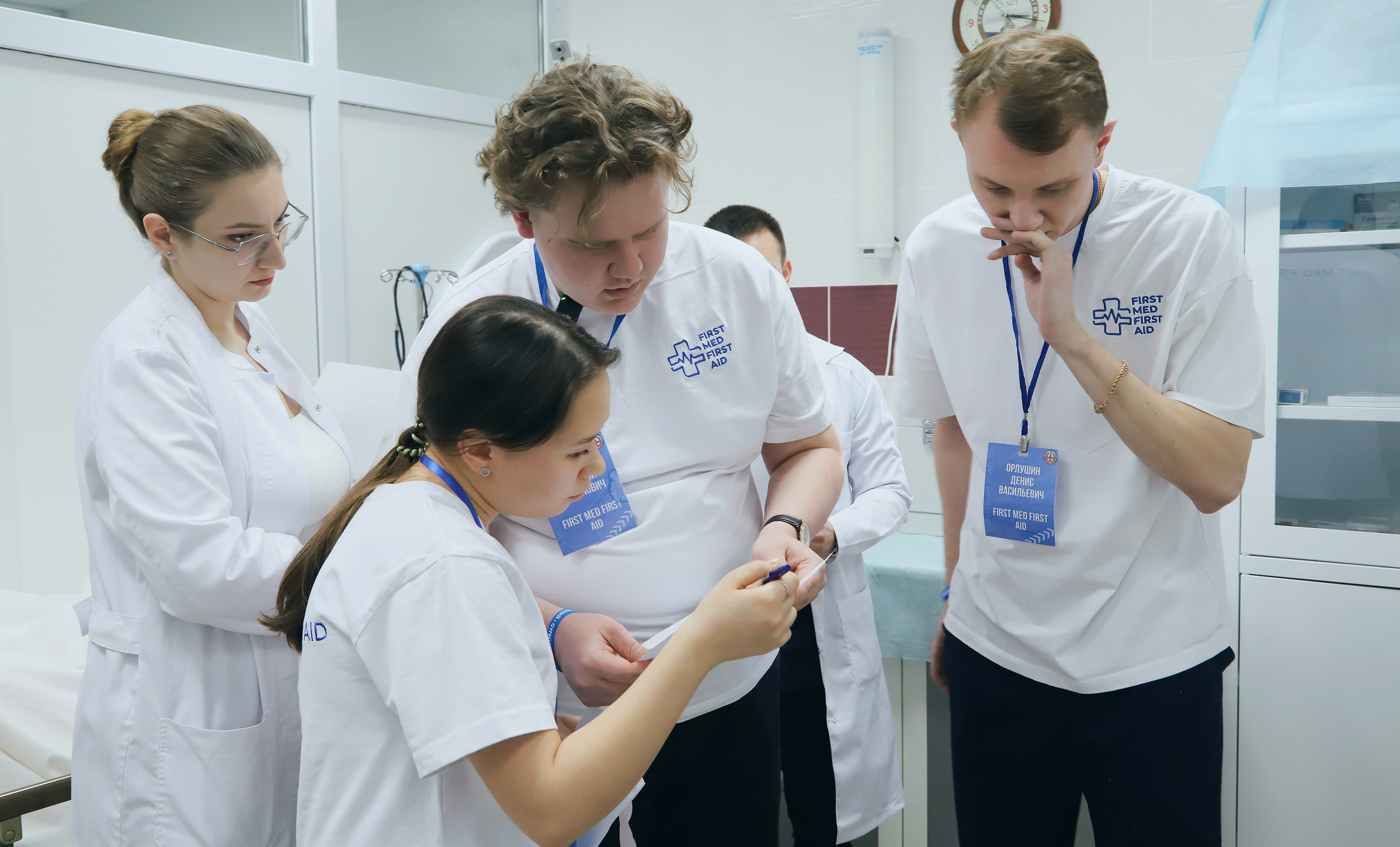
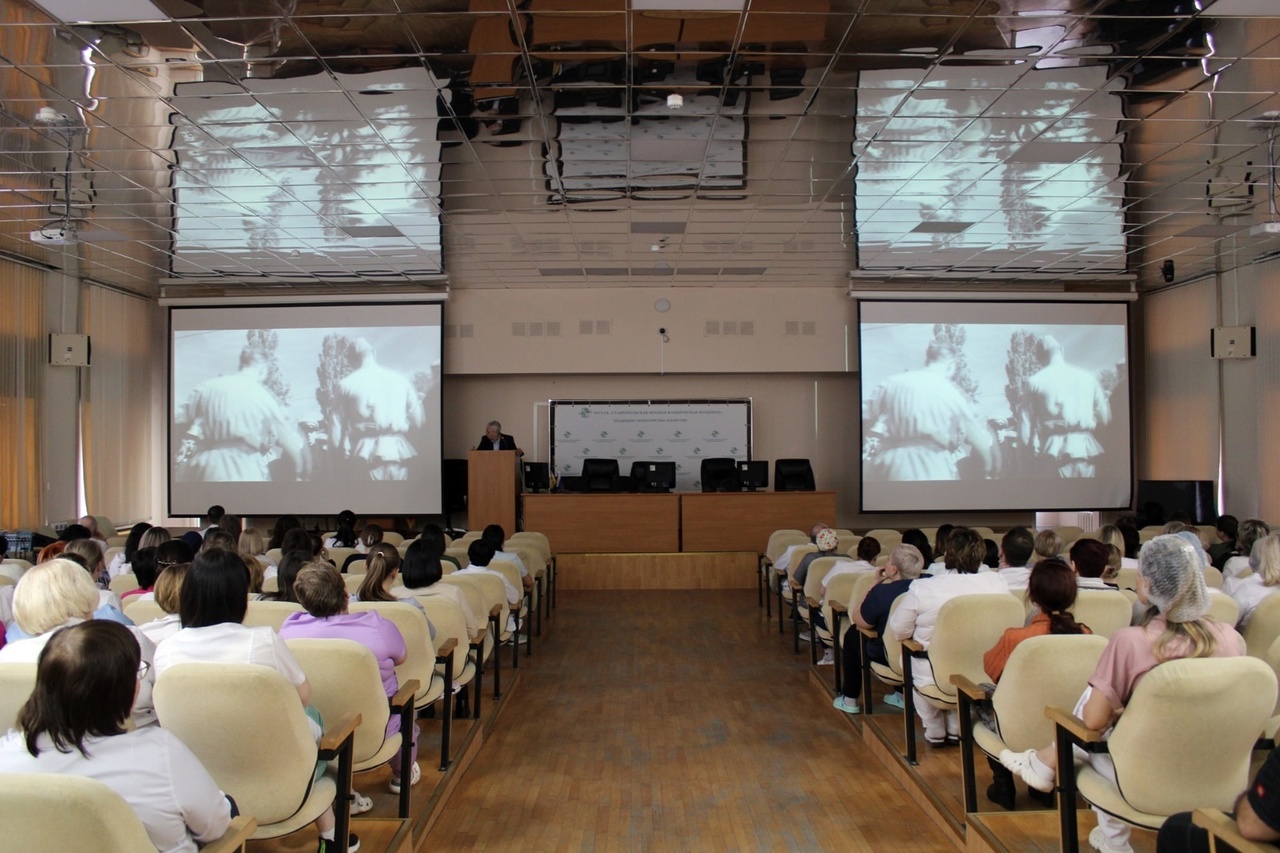
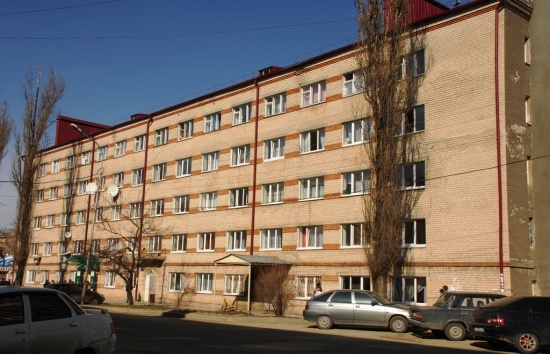
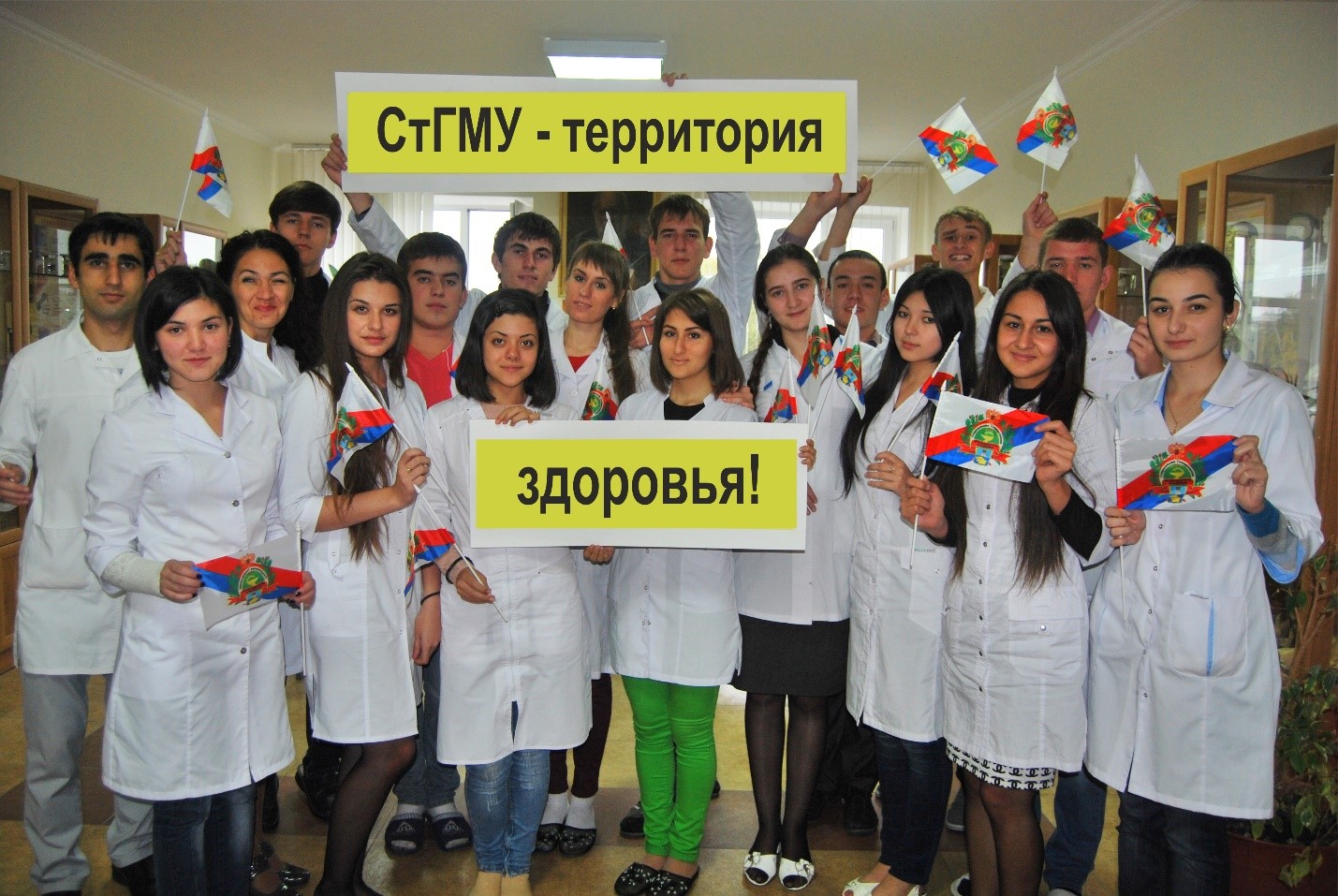
Stavropol State Medical University (StSMU)
An Overview of University
| University Type : | Public |
| Estd. Year : | 1938 |
| Medium of Course : | English + Russian (clinical) |
| Annual Tuition Fees : | 4,14,000 RUB per year |
| Annual Hostel Fees : | 46,000 RUB per year |
| Total 6-Year Cost : | 27,60,000 RUB (~₹28 Lakh) |
| Course Duration : | 6 years (pre-clinical + clinical + internship) |
| Degree Type : | Doctor of General Medicine |
| Degree Awarded : | MBBS equivalent (General Medicine) |
| NMC Recognition : | Yes — FMGE / NExT eligible |
| Teaching Hospital : | Own multi-specialty university hospital |
| Academic Session : | September / October |
MBBS for Indian Students — 2026 Complete Guide
Why Stavropol State Medical University Stands Apart in Russia
Russia has over 40 NMC-approved medical universities admitting Indian students every year. Many are affordable. Several have long histories. But when experienced MBBS abroad counsellors and returning graduates are asked which Russian universities genuinely prepare students for the FMGE / NExT and for a career in medicine, Stavropol State Medical University — StSMU — is consistently recognised as one of the most distinctive options in the country.
StSMU is located in Stavropol — a vibrant city in Southern Russia's North Caucasus region, one of the warmest and most pleasant parts of the country. What makes StSMU remarkable is not merely its geography. It is the university's combination of institutional depth, a focused academic environment, a dedicated teaching hospital, and one of the most transparent fee structures available to Indian students planning MBBS abroad.
This guide provides the complete picture: fees, curriculum, admission process, life in Stavropol, how StSMU compares to other Russian universities, and exactly what to do if you want to secure a seat.
Stavropol State Medical University at a Glance — Key Facts
| Factor | Details |
|---|---|
| University Full Name | Stavropol State Medical University (StSMU / SSMU) |
| Location | Stavropol, Russia (Southern Russia, North Caucasus Region) |
| Established | 1938 — one of Russia's oldest medical universities |
| Degree Awarded | Doctor of General Medicine (equivalent to MBBS) |
| Course Duration | 6 years (pre-clinical + clinical + internship) |
| Medium of Instruction | English (core curriculum) + Russian (clinical practice) |
| NMC Recognition | Yes — NMC approved; eligible for FMGE / NExT |
| Teaching Hospital | University's own multi-specialty teaching hospital |
| Annual Tuition Fee | 4,14,000 RUB per year |
| Hostel Fee | 46,000 RUB per year |
| Other Expenses — Year 1 | 55,000 RUB (Insurance + Visa Renewal) |
| Other Expenses — Years 2–6 | 55,000 RUB per year (Insurance + Visa Extension) |
| Total Annual Cost — Year 1 | 5,15,000 RUB |
| Total Annual Cost — Years 2–6 | 5,15,000 RUB per year |
| Total 6-Year Cost | 30,90,000 RUB (approx. ₹30.90 Lakh at current rates) |
| Academic Session | Starts September / October each year |
| Indian Community | Active Indian student association; cultural events on campus |
A University Built for Medicine — The StSMU Story
Founded in 1938, Stavropol State Medical University is one of the oldest continuously operating medical universities in Russia. Located in Stavropol — a city with a proud history as a centre of Russian science, culture, and medicine in the North Caucasus — StSMU has spent over eight decades producing physicians, surgeons, researchers, and specialists who have served across Russia and internationally.
For Indian students, this institutional longevity matters for a specific reason: StSMU is not an institution that opened its doors to international students primarily as a revenue exercise. It was a functioning Russian medical university long before the MBBS-abroad industry existed. The infrastructure, the faculty, the clinical hospital, the academic systems — all were built to produce Russian doctors, and Indian students enter that same system with the same standards applied.
The English-medium programme for international students, including Indians, is delivered at the same academic standard as the Russian-medium programme — the difference being language of instruction, not depth of content. This is not the case at every university, and it is one of the reasons StSMU graduates are consistently better prepared for licensing examinations.
StSMU's Teaching Hospital — Clinical Training That Matters
One of the most significant advantages of Stavropol State Medical University is that it operates its own multi-specialty university hospital. This is not an affiliated government hospital several kilometres away. It is StSMU's hospital, integrated into the university, with faculty who are both clinicians and academics.
From Year 4 onwards, students rotate through clinical departments in this hospital: Internal Medicine, Surgery, Obstetrics & Gynaecology, Paediatrics, Neurology, Psychiatry, ENT, Ophthalmology, Dermatology, and more. The advantages are direct and practical:
- Students begin clinical rotations without logistical complications of travelling to separate hospitals
- Faculty teaching in classrooms are also the doctors working in the wards — theory and clinical practice are unified
- Ward rounds, patient case discussions, and procedural exposure happen in a structured, supervised environment
- Clinical training hours are consistent and scheduled — not dependent on external hospital availability or scheduling
Course Structure & Curriculum at StSMU — Year by Year
StSMU's General Medicine programme follows the 6-year structured curriculum standard to Russian-model medical universities, aligned with international standards and benchmarked against NMC requirements for recognition.
| Year | Phase | Subjects / Focus Areas |
|---|---|---|
| Year 1 | Pre-Clinical | Anatomy, Histology, Biochemistry, Biophysics, Latin, Russian Language (Beginner) |
| Year 2 | Pre-Clinical | Physiology, Microbiology, Pathological Anatomy, Russian Language (Intermediate) |
| Year 3 | Para-Clinical | Pathophysiology, Pharmacology, Propedeutics of Internal Medicine, Russian Language (Clinical) |
| Year 4 | Clinical | Internal Medicine, Surgery, Paediatrics, Neurology, Psychiatry — Hospital rotations begin |
| Year 5 | Clinical | Obstetrics & Gynaecology, ENT, Ophthalmology, Infectious Diseases, Oncology, Dermatology |
| Year 6 | Internship | All-department rotations, OSCE Exams, Final State Examinations, Clinical Internship |
Pre-Clinical Years (1–2) — Foundation Building
The first two years build the foundational sciences that underpin all of clinical medicine. Anatomy, Physiology, Biochemistry, Histology, and Microbiology are taught with depth and rigour. StSMU's long-established faculty bring decades of academic experience to these subjects. Russian language learning begins from Day 1 — an essential investment for clinical years.
Para-Clinical Year (3) — The FMGE-Critical Year
Year 3 is arguably the most strategically important year for FMGE / NExT preparation. Pathology, Pharmacology, and Propedeutics carry heavy examination weightage. At StSMU, these subjects are taught with the depth they deserve, and the Propedeutics course — essentially the introduction to clinical medicine — begins bridging the gap between theory and hospital work.
Clinical Years (4–6) — Hospital-Based Learning
From Year 4, students move into StSMU's teaching hospital for clinical rotations. All major clinical disciplines are covered over Years 4 and 5. Year 6 is a comprehensive internship year involving rotations across all departments, OSCE-style practical exams, and the final state examination. Students who engaged with Russian language learning in Years 1–3 have a significantly better experience in these hospital years — they can interact with patients, understand ward discussions, and fully participate in clinical learning.
Complete Fee Structure — Year by Year
StSMU's fee structure is transparent and fixed. The three components are tuition, hostel, and other expenses (medical insurance and visa renewal). Year 1 other expenses are 28,000 RUB; from Year 2 onwards the other expenses reduce to 17,000 RUB per year.
| Year | Tuition (RUB) | Hostel (RUB) | Other Exp. (RUB) | Total/Year (RUB) |
|---|---|---|---|---|
| Year 1 | 4,14,000 | 46,000 | 55,000 | 5,15,000 |
| Year 2 | 4,14,000 | 46,000 | 55,000 | 5,15,000 |
| Year 3 | 4,14,000 | 46,000 | 55,000 | 5,15,000 |
| Year 4 | 4,14,000 | 46,000 | 55,000 | 5,15,000 |
| Year 5 | 4,14,000 | 46,000 | 55,000 | 5,15,000 |
| Year 6 | 4,14,000 | 46,000 | 55,000 | 5,15,000 |
| TOTAL | 24,84,000 | 2,76,000 | 3,30,000 | 30,90,000 RUB |
What the Fee Includes
- Tuition fees (4,14,000 RUB) for the full academic year
- On-campus hostel accommodation (46,000 RUB) — shared room with access to shared kitchens and common areas
- Medical and health insurance — mandatory for international students (included in the annual other expenses figure)
- Annual visa renewal charges — required every year to maintain legal student status in Russia (included in the annual other expenses figure)
- Year 1 other expenses: 55,000 RUB (includes initial registration-related insurance and first visa renewal costs)
- Years 2–6 other expenses: 55,000 RUB per year (ongoing annual insurance and visa extension)
What the Fee Does NOT Include
Personal expenses (mobile, clothing, entertainment, dining outside campus), flight tickets to/from India, books and study materials (approximately ₹15,000–25,000 per year), and FMGE preparation resources on return to India.
StSMU vs Other NMC-Approved Russian Universities — Honest Comparison
| Factor | Stavropol State Medical University | Typical NMC-Approved Russian University |
|---|---|---|
| Established | 1938 — 85+ year history | Varies; many post-1990 institutions |
| Teaching Hospital | Own university hospital, integrated on-campus | Affiliated hospitals; some off-campus |
| NMC Recognition | Yes — fully NMC approved | Varies; verify each individually |
| Annual Tuition | 4,14,000 RUB | 4,00,000–7,00,000 RUB (wide range) |
| Hostel | On-campus; 46,000 RUB/year | On/off-campus; rates vary |
| Total 6-Year Cost | 27,60,000 RUB — fully transparent | 25,00,000–50,00,000 RUB (varies) |
| Location | Stavropol — safe, warm Southern Russia | Varies — major cities, regional towns |
| Indian Community | Active; well-established presence | Varies by university |
Eligibility & Admission Process for StSMU
Eligibility Criteria
- Cleared NEET (mandatory under NMC rules — no exceptions)
- Class 12 with Physics, Chemistry, and Biology — minimum 50% aggregate in PCB (40% for SC/ST/OBC)
- Minimum age 17 years on or before 31st December of the year of admission
- Valid Indian passport
Step-by-Step Admission Process
- NEET Qualification: Confirm your NEET scorecard. This is the mandatory starting point — no application proceeds without it.
- Application Submission: Submit Class 10 and 12 marksheets, NEET scorecard, and passport copy to StSMU's admissions office via MBBSDirect.com.
- University Review & Offer Letter: StSMU reviews the application and issues an official invitation letter on university letterhead. This document is required for visa application.
- First-Year Fee Payment: Pay the first-year fees to StSMU's official bank account. Retain all payment receipts.
- Student Visa Application: Apply at the Russian Embassy / VFS in India with the offer letter, academic documents, medical certificate, and passport. Visa processing typically takes 3–6 weeks.
- Travel & Arrival: StSMU assists with airport pickup and initial registration. Classes begin in September/October.
Documents Required
- Class 10 Marksheet & Certificate (attested / apostilled)
- Class 12 Marksheet & Certificate (attested / apostilled)
- NEET Score Card (original + copies)
- Valid Passport (minimum 1.5 years validity from travel date)
- 10 Passport-size photographs
- Birth Certificate (attested)
- Medical Fitness Certificate (from a registered doctor)
- Police Clearance Certificate
- Migration Certificate (from Class 12 board)
Life at StSMU — Stavropol, Hostel, Food & Student Community
Location — Stavropol, Russia
StSMU is located in Stavropol, a historic Russian city in the North Caucasus region of Southern Russia. Stavropol enjoys a significantly warmer climate than most other Russian university cities — milder winters, warm summers, and a pleasant environment year-round. The city is safe, well-connected, and offers good infrastructure with a cost of living considerably lower than Moscow or St. Petersburg. The university is a prominent institution in the city, and international students are a recognised and well-supported part of the community.
Hostel — On-Campus, Affordable, and Accessible
StSMU provides on-campus hostel accommodation for international students at 40,000 RUB per year. Rooms are shared (typically 2–3 students per room) with access to shared kitchens, common areas, and university facilities. Being on-campus means students can reach classrooms and the university hospital conveniently — an important advantage in the winter months.
Food — Managing Indian Dietary Requirements
At StSMU, food is managed separately — students use the university canteen (Russian cuisine) or self-cater in hostel kitchens using ingredients sourced locally or from Indian grocery options in the city. Most Indian students develop cooking routines and form meal-sharing groups. Estimated monthly food costs are manageable and are factored into personal expenses separately from the official fee structure.
Russian Language — Your Most Important Investment
StSMU provides structured Russian language training from Year 1. This is not optional. Clinical Years 4–6 take place in Russian-language hospital environments — patients, nursing staff, and hospital administration all communicate in Russian. Students who invest seriously in language from Year 1 report dramatically better experiences during clinical rotations. Those who skip language classes often find hospital years confusing and isolating.
Climate — Stavropol Seasons
- Winter (December–February): -5°C to -10°C — cool but considerably milder than northern Russia; standard winter clothing sufficient
- Spring / Autumn: 10°C to 20°C — very pleasant and mild
- Summer (June–August): 25°C–35°C — warm and sunny; one of the warmest university cities in Russia
- StSMU hostel and university buildings are centrally heated — indoor temperatures are comfortable year-round
- Most students adapt to the climate quickly; Stavropol's mild winters are a significant draw for students from warmer Indian states
Who Should Choose StSMU?
✓ StSMU is the right choice if:
- You have cleared NEET and want a genuinely established Russian medical university with 85+ years of history
- You value direct clinical exposure through a university teaching hospital from Year 4 onwards
- Your budget supports approximately 5,15,000 RUB in Year 1 and 5,15,000 RUB per year from Year 2 (approx. ₹21–24 Lakh total over 6 years)
- You want a fully transparent fee structure with no surprise charges — tuition, hostel, insurance, and visa renewal are all clearly defined
- You prefer a warmer climate — Stavropol is one of the warmest Russian university cities
- You are willing to invest in Russian language learning, understanding it is essential for clinical years
- You want to be at a university that has been producing doctors since 1938 — not a recently launched programme
- You understand the FMGE / NExT requirement and want training at a university with genuine clinical infrastructure
✗ Consider alternatives if:
- You specifically want to be in Moscow or St. Petersburg for city-life reasons — Stavropol is a mid-size, regional city
- You are not willing to invest in Russian language learning — clinical years at any Russian university will be difficult without it
- Seats are already full for the upcoming intake — in which case, we can advise on alternatives or next-year planning
Pre-Departure Checklist — Before You Fly to StSMU
Document / Administrative
- NEET scorecard (original + 3 copies)
- Official SSMU offer letter (original)
- Student visa stamped in passport
- Year 1 fee payment receipt
- Class 10 & 12 certificates (attested originals)
- Passport validity: minimum 1.5 years
- Medical fitness certificate
- Police clearance certificate
- Medical insurance confirmation documentation
Practical / Personal
- Warm clothing (jacket, layers, boots, gloves)
- Indian medicines and personal health supplies (3–6 months)
- Debit card with international ATM access + some USD/EUR
- Indian grocery staples for first few weeks
- SSMU student WhatsApp group joined (via MBBSDirect.com)
- Russian language basics app downloaded and practised
- Flight booked with SSMU arrival date confirmed
- Emergency contact list (family + SSMU + Indian Embassy Moscow)
- University registration documents printed and organised
The Bottom Line — Is StSMU Right for You?
Stavropol State Medical University is not located in Moscow or a major Russian metropolis. But it is, by the measures that genuinely matter for a student investing 6 years and ₹21–24 Lakh in a medical education — institutional credibility, clinical infrastructure, transparent costs, and academic depth — one of the most compelling value propositions among NMC-approved Russian universities.
The 85-year history is not just a marketing figure. It means the university was built to produce doctors, not to accommodate a temporary wave of demand. The teaching hospital means clinical training happens in a hospital, not a classroom. The transparent fee breakdown — tuition, hostel, insurance, and visa renewal clearly defined — means families can plan without surprises.
If your priority is a genuine medical education at a university that has been producing doctors since 1938, with real clinical exposure, a fully transparent cost structure, and one of the most credible annual fees available among established Russian institutions, StSMU deserves serious consideration.
If you would like to apply to StSMU or want to discuss whether it is the right fit for your specific situation, the team at MBBSDirect.com is here for an honest conversation. We will tell you if StSMU is right for you — and if it is not, we will tell you that too.
www.mbbsdirect.com — Your trusted guide to MBBS abroad — honest advice, direct admissions, no hidden charges.