Student Helpline! +91 9717172071
  Apply Here



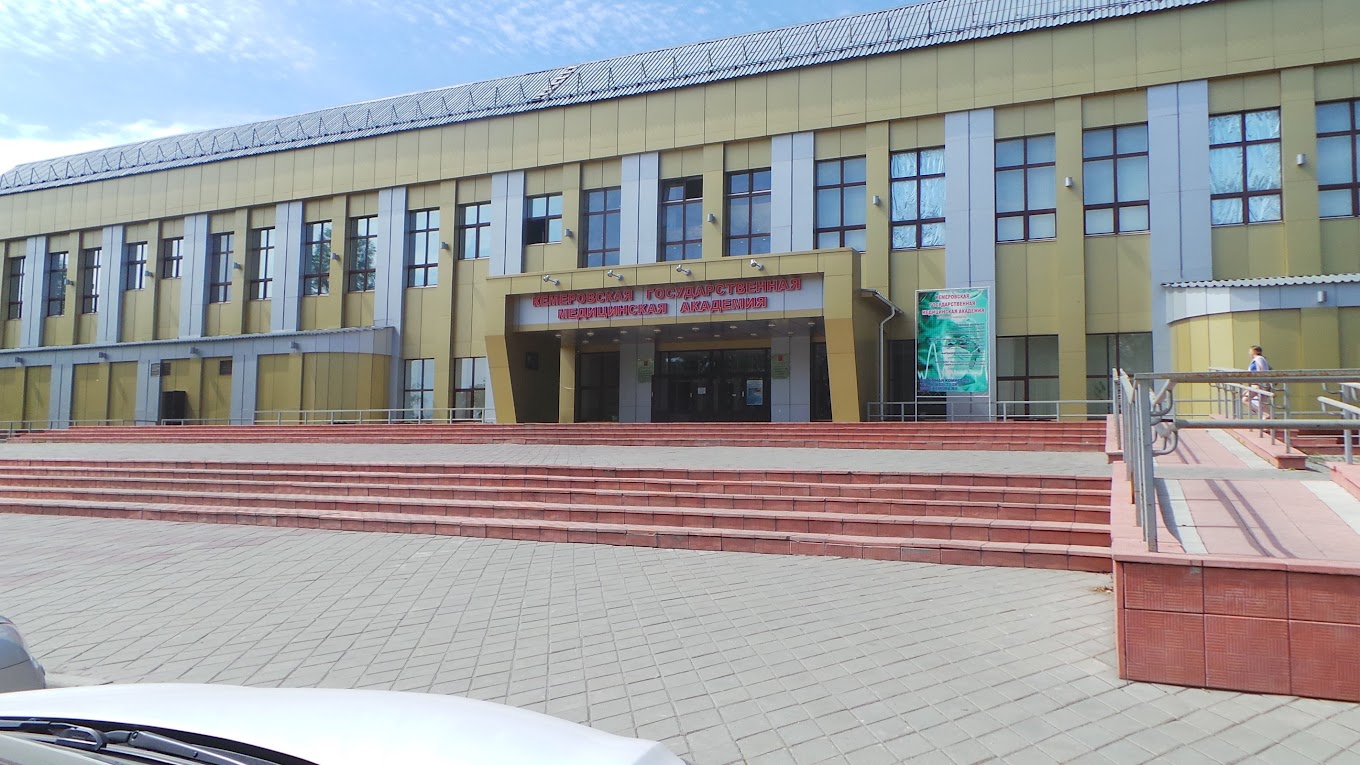
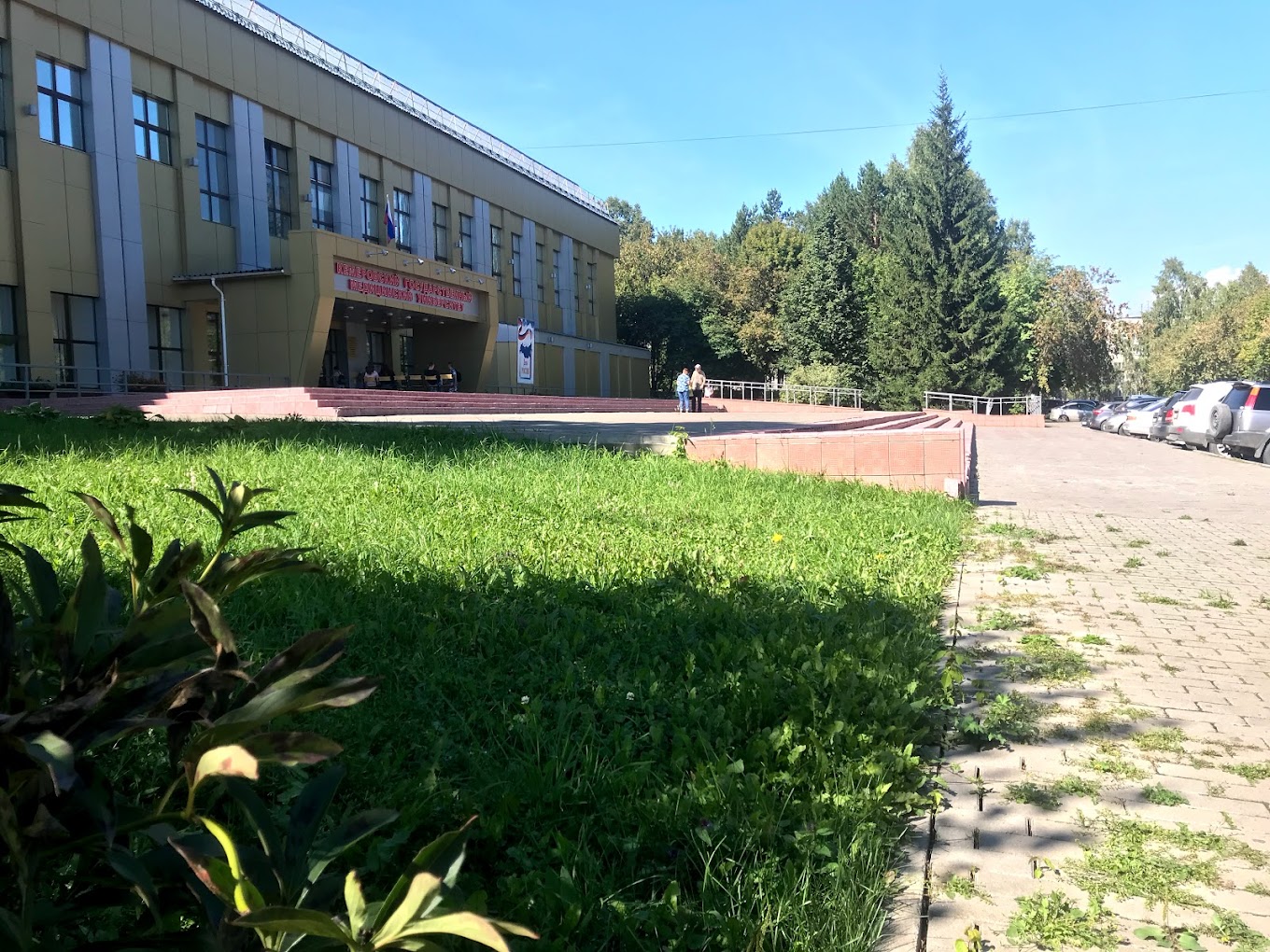
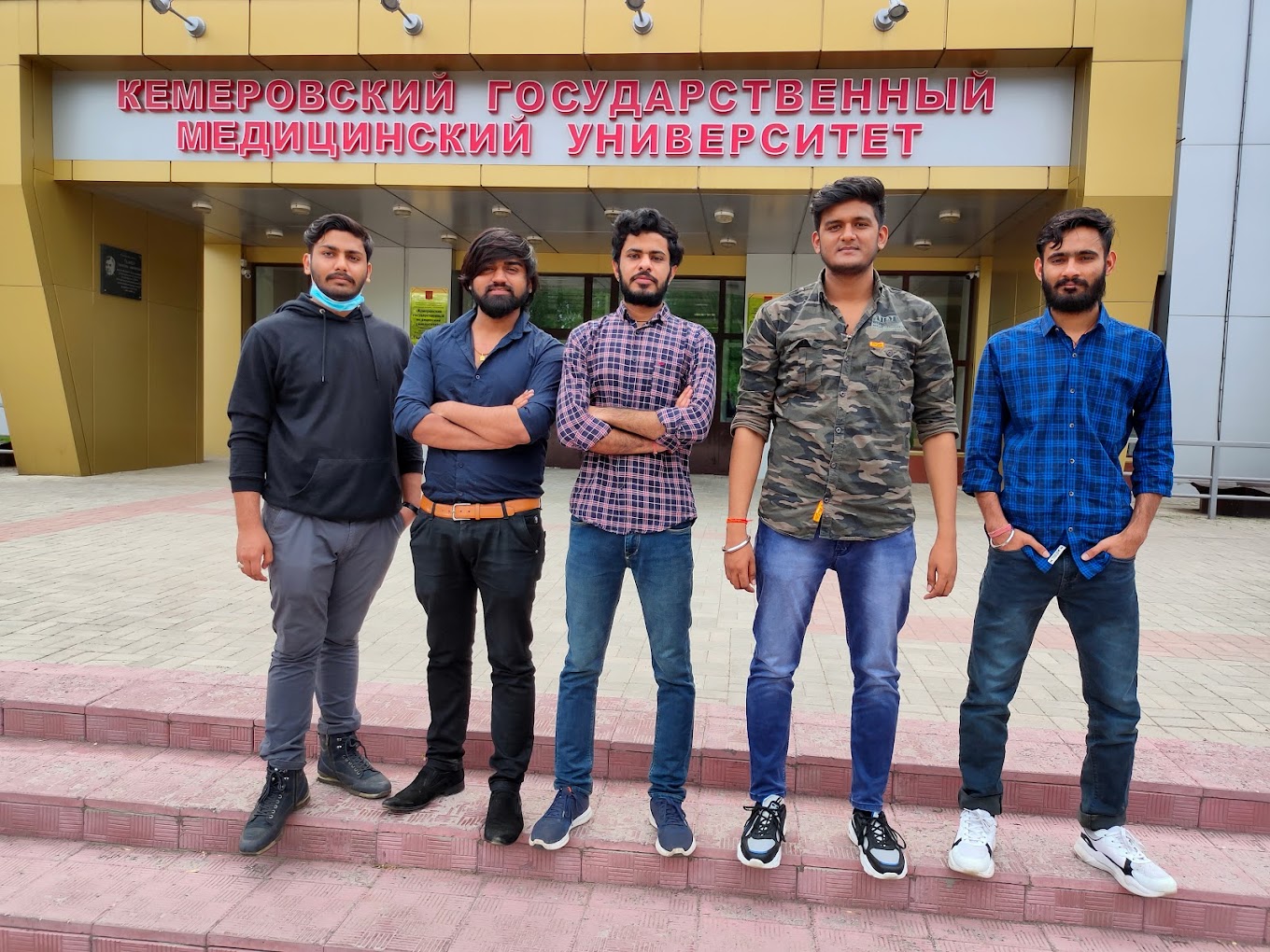
Kemerovo State Medical University (KemSMU)
An Overview of University
| University Type : | Public (State Government) — Ministry of Health, Russia |
| Established : | 1955 — one of the oldest medical institutions in Siberia; 70+ years of medical education |
| Location : | Kemerovo, Western Siberia, Russia — city of ~550,000; administrative centre of Kemerovo Oblast |
| Medium of Course : | English (core curriculum) + Russian (clinical practice from Year 4) |
| Annual Tuition Fee : | RUB 3,35,000 per year (consistent across all 6 years) |
| Annual Hostel Fee : | RUB 1,20,000 per year (all 6 years) — on-campus shared accommodation |
| Other Expenses/Year : | RUB 15,000 (Medical Insurance + Visa Extension + Misc.) |
| Total Per Year : | RUB 4,70,000 = approx. ₹5,64,000/year (at RUB 1 = ₹1.20) |
| Total 6-Year Cost : | RUB 28,48,000 = approx. ₹34,16,000 (~₹34 Lakh) at RUB 1 = ₹1.20 |
| Course Duration : | 6 years (pre-clinical + clinical + internship) |
| Degree Awarded : | Doctor of General Medicine (MBBS equivalent) |
| NMC Recognition : | Yes — WHO listed (WDOMS); FMGE / NExT eligible |
| Teaching Hospitals : | KemSMU-affiliated clinical hospitals in Kemerovo — Siberian hospital network |
| Indian Community : | Close-knit, well-organised; seniors guide new arrivals from Day 1 |
| Food Arrangement : | Self-cooking — hostel kitchen facilities; Indian groceries available in Kemerovo markets |
| Academic Session : | September / October each year |
MBBS for Indian Students — 2026 Complete Guide
Why Kemerovo State Medical University Deserves Your Serious Attention
Russia is one of the most established destinations for Indian students pursuing MBBS abroad. Within Russia's extensive roster of medical universities, Kemerovo State Medical University — known as KemSMU — occupies a distinctive position. It is not the most well-known name that Indian counsellors throw around first. But for families doing their research carefully, KemSMU consistently emerges as one of the most sensible, affordable, and academically sound choices in Russia.
Founded in 1955, KemSMU brings over 70 years of medical education experience to its programmes. Located in Kemerovo — a well-developed city of approximately 550,000 in Western Siberia — the university operates away from the noise and expense of Moscow or St. Petersburg, yet delivers a quality of medical training that holds its own against far pricier institutions. Its fee structure is among the most transparent and competitively priced of any established NMC-recognised university in Russia: RUB 3,35,000 tuition per year, total 6-year cost of RUB 2,848,000 — approximately ₹34,17,000 (~₹34 Lakh) at RUB 1 = ₹1.20.
This guide gives you the complete picture: fees broken down in Rubles year by year, curriculum structure, admission process, life in Kemerovo, and exactly what to do if you want to apply through MBBSDirect.com.
KemSMU at a Glance — Key Facts
| Factor | Details |
|---|---|
| University Full Name | Kemerovo State Medical University (KemSMU) |
| Location | Kemerovo, Western Siberia, Russia — city of ~550,000; administrative centre of Kemerovo Oblast |
| Established | 1955 — one of the oldest medical institutions in Siberia; 70+ years of medical education heritage |
| Degree Awarded | Doctor of General Medicine (equivalent to MBBS) |
| Course Duration | 6 years (pre-clinical + clinical + internship) |
| Medium of Instruction | English (core curriculum) + Russian (clinical practice from Year 4) |
| NMC Recognition | Yes — WHO listed (WDOMS); eligible for FMGE / NExT |
| Teaching Hospitals | KemSMU-affiliated clinical hospitals in Kemerovo — serving the Siberian region |
| Annual Tuition Fee | RUB 3,35,000 per year (consistent across all 6 years) |
| Hostel Fee | RUB 1,20,000 per year (all 6 years) — on-campus shared accommodation with kitchen facilities |
| Other Expenses | RUB 15,000 per year (Medical Insurance + Visa Extension + Miscellaneous) |
| Total Per Year | RUB 4,70,000 = approx. ₹5,64,000/year (at RUB 1 = ₹1.20) |
| Total 6-Year Cost | RUB 28,48,000 = approx. ₹34,17,000 (~₹34 Lakh) at RUB 1 = ₹1.20 |
| Food Arrangement | Self-cooking — hostel kitchen facilities; Indian groceries available in Kemerovo markets |
| Indian Community | Close-knit, well-organised; seniors actively support new arrivals |
| Academic Session | September / October each year |
Seven Decades of Medical Education — The KemSMU Story
Established in 1955, Kemerovo State Medical University was built to serve the healthcare needs of the Siberian region — one of Russia's most industrially significant and geographically vast areas. Over seven decades, it has trained thousands of doctors who now serve across Russia, Central Asia, and beyond.
The university's English-medium programme for international students — including Indian students — has grown steadily in line with global demand for quality, affordable medical education. Unlike newer institutions that opened their doors overnight with hundreds of international seats, KemSMU's international programme has grown at a measured pace, maintaining academic standards that its long history demands.
| Period | Indian Intake | What Developed |
|---|---|---|
| Pre-2015 | Limited pilot batches | Programme evaluation phase; English-medium infrastructure established |
| 2016–2018 | Expanding | English-medium infrastructure strengthened; faculty expanded |
| 2019–2021 | Growing | Clinical training partnerships strengthened; hostel upgraded |
| 2022–2024 | Established | Consistent annual intake; strong Indian student community formed |
| 2026 | Current intake | Structured English-medium MBBS programme with full NMC compliance |
What Makes KemSMU's Education Model Work for Indian Students
KemSMU's General Medicine programme is structured on the Russian medical education system — one of the most respected globally, recognised by the NMC as equivalent to the Indian MBBS for the purpose of FMGE / NExT licensing. Several features make KemSMU a particularly good fit for Indian students.
English-Medium Core Curriculum
Academic lectures, textbooks, and written examinations in the pre-clinical and para-clinical years are conducted in English. This allows Indian students to build a strong conceptual foundation without the initial barrier of a language they are still learning. Russian language, however, is integrated from Year 1 — because clinical rotations in Years 4–6 take place in Russian-speaking hospital environments.
Structured Russian Language Training
KemSMU provides formal Russian language instruction from the very first semester. This is not optional, and it should not be treated as secondary. Students who invest in learning Russian during Years 1–3 report a fundamentally different — and far more productive — clinical experience when hospital rotations begin in Year 4. The patients are Russian-speaking. The hospital staff communicate in Russian. The clinical records are in Russian. Language is not a comfort feature; it is a clinical necessity.
Hospital-Based Clinical Training
From Year 4 onwards, KemSMU students move into affiliated teaching hospitals in Kemerovo for hands-on clinical training. The Kemerovo region's hospitals provide a diverse case mix — given the city's large industrial workforce and Siberian population — offering students exposure to a wide range of conditions that strengthens both clinical judgement and FMGE / NExT preparation.
NMC-Compliant Degree
KemSMU is listed in the WHO World Directory of Medical Schools. Its General Medicine degree is recognised by the NMC for the purpose of FMGE / NExT. Indian students who complete the programme and return to India can appear for the licensing exam, complete a compulsory internship, and register as practising doctors with their State Medical Council.
Course Structure & Curriculum at KemSMU — Year by Year
KemSMU's General Medicine programme follows the standard 6-year Russian medical curriculum, designed to develop both theoretical knowledge and clinical competence. Russian language learning is integrated throughout the programme, with increasing emphasis as students move toward clinical years.
| Year | Phase | Subjects / Focus Areas |
|---|---|---|
| Year 1 | Pre-Clinical | Anatomy, Histology, Biochemistry, Biophysics, Latin, Russian Language (Beginner) |
| Year 2 | Pre-Clinical | Physiology, Microbiology, Pathological Anatomy, Russian Language (Intermediate) |
| Year 3 | Para-Clinical | Pathophysiology, Pharmacology, Propedeutics of Internal Medicine, Russian Language (Clinical) |
| Year 4 | Clinical | Internal Medicine, Surgery, Paediatrics, Neurology, Psychiatry — Hospital rotations begin |
| Year 5 | Clinical | Obstetrics & Gynaecology, ENT, Ophthalmology, Infectious Diseases, Oncology, Dermatology |
| Year 6 | Internship | All-department rotations, OSCE Exams, Final State Examinations, Clinical Internship |
Pre-Clinical Years (1–2) — Building the Foundation
Years 1 and 2 establish the core biomedical sciences — Anatomy, Physiology, Biochemistry, and Histology — that underpin all clinical medicine and feed directly into the FMGE / NExT syllabus. Students also begin Russian language training — a critical investment for the clinical years ahead. The relatively small class sizes at KemSMU allow for better student-faculty interaction than universities with very large Indian intake batches.
Para-Clinical Year (3) — The FMGE Foundation Year
Year 3 is often described by experienced FMGE educators as the most important year for licensing exam preparation. Pathophysiology, Pharmacology, and Propedeutics of Internal Medicine — taught in Year 3 at KemSMU — together account for a significant portion of the FMGE syllabus. Students who engage deeply with these subjects in Year 3 consistently enter clinical years with a stronger foundation.
Clinical Years (4–6) — Hospital Training in Kemerovo
From Year 4, KemSMU students enter affiliated teaching hospitals in Kemerovo for structured clinical rotations. Year 4 covers Internal Medicine, Surgery, Paediatrics, Neurology, and Psychiatry. Year 5 adds Obstetrics and Gynaecology, ENT, Ophthalmology, Infectious Diseases, Oncology, and Dermatology. Year 6 is the internship year — all-department rotations, OSCE examinations, and Final State Examinations. The clinical years are conducted primarily in Russian, making the language investment from Years 1–3 directly pay off.
Complete Fee Structure — Year by Year (in Russian Rubles)
One of KemSMU's most significant advantages for Indian families is its transparent, clearly structured fee system. Tuition, hostel, and other expenses are fixed and consistent across all 6 years — no escalation, no surprises.
| Year | Tuition (RUB) | Hostel (RUB) | Other Exp. (RUB) | Total/Year (RUB) |
|---|---|---|---|---|
| Year 1 | 3,35,000 | 1,20,000 | 15,000 | 4,70,000 |
| Year 2 | 3,35,000 | 1,20,000 | 15,000 | 4,70,000 |
| Year 3 | 3,35,000 | 1,20,000 | 15,000 | 4,70,000 |
| Year 4 | 3,35,000 | 1,20,000 | 15,000 | 4,70,000 |
| Year 5 | 3,35,000 | 1,20,000 | 15,000 | 4,70,000 |
| Year 6 | 3,35,000 | 1,20,000 | 15,000 | 4,70,000 |
| TOTAL | 20,10,000 | 7,20,000 | 90,000 | 28,20,000 RUB |
INR Equivalent (at RUB 1 = ₹1.20): Annual cost = ₹5,64,000 | Total 6-Year cost = ₹33,84,000 (~₹33.84 Lakh)
What the Fee Includes
- Tuition fees — RUB 3,35,000 per year; full academic year tuition for the General Medicine programme; consistent all 6 years
- Hostel accommodation — RUB 1,20,000 per year; on-campus or university-affiliated hostel; shared room; kitchen facilities available
- Medical and health insurance — mandatory for all international students (included in other expenses)
- Annual student visa extension fees — required to maintain legal student status in Russia (included in other expenses)
- Miscellaneous administrative and student services charges — included in the RUB 15,000 other expenses
What the Fee Does NOT Include
Personal expenses (mobile, clothing, entertainment, personal travel), international flight tickets to/from India, books and study materials (~₹15,000–25,000 per year), food costs (students self-cook using hostel kitchen facilities; Indian groceries available in Kemerovo), and FMGE preparation materials on return to India.
KemSMU vs Other NMC-Approved Russian Universities — Honest Comparison
| Factor | KemSMU | Typical Russian University |
|---|---|---|
| Established | 1955 — 70+ years; one of Siberia's oldest medical institutions | Varies; many post-1990 institutions |
| Location | Kemerovo, Western Siberia — peaceful academic city of ~550,000; affordable cost of living | Varies — some overcrowded, expensive metro cities |
| Annual Tuition | RUB 3,35,000 — among the most affordable for an established NMC-recognised university | RUB 2,50,000–12,50,000 (wide range) |
| Total 6-Year Cost | RUB 28,20,000 (~₹33.84 Lakh) — fully transparent | Often has hidden costs; wide range |
| NMC Recognition | Yes — WHO listed (WDOMS); FMGE / NExT eligible | Varies by institution |
| Fee Transparency | Tuition, hostel, insurance, and visa all clearly defined; no hidden charges | Varies; many have additional undisclosed costs |
| Indian Community | Close-knit, well-organised; smaller but actively supportive community | Varies widely by city and university |
| Clinical Training | Siberian hospital network; diverse industrial/regional case mix | Varies widely in quality and access |
Eligibility & Admission Process for KemSMU
Eligibility Criteria
- Cleared NEET (mandatory under NMC rules — no exceptions for any foreign medical university)
- Class 12 with Physics, Chemistry, and Biology — minimum 50% aggregate in PCB (40% for SC/ST/OBC candidates)
- Minimum age 17 years on or before 31st December of the year of admission
- Valid Indian passport
Step-by-Step Admission Process
- NEET Qualification: Confirm your NEET scorecard — the non-negotiable starting point.
- Application Submission: Submit Class 10 and 12 marksheets, NEET scorecard, and passport copy via MBBSDirect.com. We verify eligibility and submit directly to KemSMU.
- University Review & Offer Letter: KemSMU reviews the application and issues an official offer / invitation letter on university letterhead with the registrar's seal — required for the student visa.
- Fee Payment: Pay the first-year fees (RUB 4,70,000) directly to KemSMU's official bank account. Retain all payment receipts for visa processing and university registration.
- Student Visa Application: Apply at the Russian Embassy in New Delhi (or nearest consulate) with the offer letter, academic documents, medical certificate, police clearance, and passport. Russian student visas typically process in 2–4 weeks.
- Travel & Arrival: Travel to Kemerovo — typically via Moscow or a connecting city. KemSMU provides guidance on arrival. Report to the hostel, complete university registration, and settle in before classes begin in September/October.
Documents Required
- Class 10 Marksheet & Certificate (attested / apostilled)
- Class 12 Marksheet & Certificate (attested / apostilled)
- NEET Score Card (original + copies)
- Valid Passport (minimum 1.5 years validity from travel date)
- 10 Passport-size photographs
- Birth Certificate (attested)
- Medical Fitness Certificate (from a registered doctor)
- Police Clearance Certificate
- Migration Certificate (from Class 12 board)
Life at KemSMU — Kemerovo, Hostel, Food & Student Community
Location — Kemerovo, Western Siberia
Kemerovo is the administrative centre of the Kemerovo Oblast — one of Russia's most significant industrial and coal-mining regions in Western Siberia. It is a well-developed Russian city with a population of approximately 550,000, established urban infrastructure, universities, hospitals, shopping centres, and reliable public transport. For Indian students, Kemerovo offers a significantly calmer and more affordable living environment compared to Moscow or St. Petersburg — where the cost of living can dramatically add to the education budget. The city is well-connected to major Russian cities via rail and air, and there are flight connections to India through Moscow hub airports.
Hostel — Accommodation for International Students
KemSMU provides hostel accommodation for international students, typically in shared rooms with common kitchen facilities. The hostel environment gives Indian students a structured, secure base close to the university — particularly valuable during Kemerovo's Siberian winters. Students are advised to arrange accommodation through official university channels and budget the RUB 30,000 annual hostel fee, which covers the full academic year.
Food — Self-Cooking in Kemerovo
Unlike some universities that provide Indian catering, KemSMU operates a self-cooking model — students prepare their own meals using hostel kitchen facilities. Kemerovo has supermarkets and markets where basic Indian cooking ingredients — rice, lentils, oil, spices — are available. The existing Indian student community at KemSMU guides new arrivals on where to find Indian groceries, and most students settle into a manageable food routine within the first month.
Russian Language — Your Most Important Investment
KemSMU provides structured Russian language classes from Year 1. Clinical rotations from Year 4 take place entirely in Russian hospital environments — patients speak Russian, clinical records are in Russian, hospital staff communicate in Russian. Students who engage seriously with language learning from Day 1 report a fundamentally different — and more productive — clinical experience in Years 4–6. Treat Russian not as an additional burden but as a core clinical skill — because in a Russian hospital, it is exactly that.
The Indian Student Community at KemSMU
KemSMU's Indian student community, while smaller than those at more widely marketed universities, is close-knit and actively supportive of new arrivals. Senior students guide juniors through practical matters — from navigating local markets to understanding university administration processes. Cultural events, Indian festivals, and community gatherings help maintain a sense of connection to home. For students who value a tight-knit community over a very large and potentially impersonal one, this is often experienced as an advantage.
Climate — Siberian Seasons
- Winter (November–March): −15°C to −30°C — heavy winter clothing is essential, not optional; this is Siberia and the climate should not be underestimated
- Spring / Autumn: 5°C to 15°C — pleasant but still cool; the city transitions quickly
- Summer (June–August): 20°C to 30°C — warm and relatively brief; genuinely pleasant
- University buildings and hostels are centrally heated during winter — indoor academic environments are warm and comfortable
- Most Indian students adapt to the climate within their first winter, especially with proper clothing; invest in a good quality winter jacket, thermal layers, and waterproof boots before arrival
Who Should Choose KemSMU?
✓ KemSMU is the right choice if:
- You want an NMC-recognised Russian medical degree from a 70+ year-old institution with a strong, consistent academic foundation
- Your total 6-year budget supports approximately RUB 28,20,000 (~₹33.84 Lakh at RUB 1 = ₹1.20) — one of the most competitively priced options among established Russian universities
- You want a transparent fee structure where tuition, hostel, insurance, and visa extension costs are clearly defined from the start with no hidden surprises
- You are comfortable with — and willing to invest in — learning Russian as part of your medical education; you understand it is essential for clinical years
- You want to study in a peaceful, affordable Siberian city rather than the expensive and often overwhelming environment of Moscow or St. Petersburg
- You value institutional heritage and 70 years of medical education history over a more recently established but heavily marketed name
- You understand the FMGE / NExT requirement and want to be at a university with the academic structure to prepare you for it
✗ Consider alternatives if:
- Your budget requires a total 6-year cost significantly below RUB 21,30,000 — in which case certain other Russian or CIS country universities may be more appropriate
- You require Indian food to be provided directly by the university as part of the fee — KemSMU operates a self-cooking model
- You are not comfortable with genuinely cold Siberian winters — Kemerovo's climate is significantly harsher (−25°C to −30°C) than cities in southern Russia, Central Asia, or Eastern Europe
- You specifically want a very large, established Indian student community of 300+ students at a single university
Pre-Departure Checklist — Before You Fly to KemSMU, Kemerovo
Document / Administrative
- NEET scorecard (original + 3 copies)
- Official KemSMU offer / invitation letter (original)
- Student visa stamped in passport
- Year 1 fee payment receipt (RUB 3,55,000)
- Class 10 & 12 certificates (attested originals)
- Passport validity: minimum 1.5 years from travel date
- Medical fitness certificate (from registered doctor)
- Police clearance certificate
- Medical insurance confirmation documentation
Practical / Personal
- Warm winter clothing — heavy jacket, thermal layers, waterproof boots, gloves (Siberian winters reach −30°C)
- Indian medicines and personal health supplies (3–6 months)
- Debit card with international ATM access + some USD/EUR for arrival
- Indian grocery staples and spices for first few weeks
- KemSMU Indian student WhatsApp group joined (via MBBSDirect.com)
- Russian language basics app downloaded and practised
- Flight booked to Kemerovo (via Moscow or connecting city)
- Emergency contact list (family + KemSMU + Indian Embassy Moscow)
- University registration documents printed and organised
The Bottom Line — Is KemSMU Right for You?
KemSMU is not the most famous name in the Russia MBBS conversation. It is not in Moscow or St. Petersburg. It will not appear on the first page of every counsellor's recommendation list — often because smaller, less-marketed universities do not pay the referral fees that drive those lists. But for the student and family doing their research carefully — looking at NMC recognition, fee transparency, institutional age, academic structure, and total cost — KemSMU stands out as one of the most sensible choices in Russia today.
Seventy years of medical education. An annual cost of RUB 4,70,000 (~₹5,64,000) — tuition, hostel, insurance, and visa all accounted for, no escalation across all 6 years. A structured English-medium programme leading to an NMC-recognised degree. A total 6-year investment of approximately ₹33.84 Lakh (at RUB 1 = ₹1.20). And a Siberian city that, while cold and unfamiliar at first, becomes home for students who go on to become practising doctors.
If you want to apply to KemSMU or want an honest conversation about whether it is the right fit for your specific situation, the team at MBBSDirect.com is here. We will give you the complete picture — and if KemSMU is not the right match, we will tell you that too.
www.mbbsdirect.com — Your trusted guide to MBBS abroad — honest advice, direct admissions, no hidden charges.