Student Helpline! +91 9717172071
  Apply Here


How to Practise Medicine in Kazakhstan A Complete Guide for Indian MBBS Graduates — Internatura | Sertifikatsiya Exam | elicense.kz | Rezidentura & Career Paths
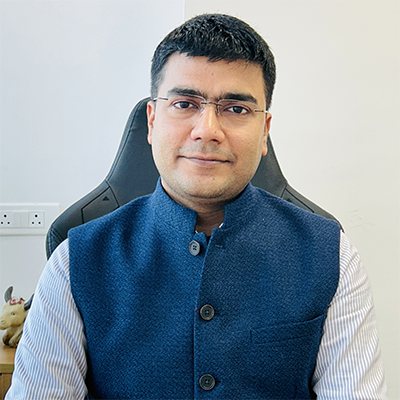
Introduction: Arjun Singh’s Journey in Almaty
Arjun Singh from Chandigarh chose Kazakh National Medical University (KazNMU) in Almaty for his MBBS — and not without reason. KazNMU is Kazakhstan’s premier medical institution, founded in 1930, consistently ranked among the top 3 universities in Central Asia, and listed in the WHO World Directory of Medical Schools. Almaty, Kazakhstan’s largest city and former capital, offers a cosmopolitan environment with a large and established Indian student community.
As Arjun approached graduation after five years at KazNMU, he was confronted with the same question that faces every Indian MBBS graduate abroad: stay and build a career here, or return home? This guide walks through the complete process of becoming a licensed, practising doctor in Kazakhstan — from the mandatory post-graduation Internatura all the way through the Sertifikatsiya exam, the digital elicense.kz portal, and long-term career options.
Kazakhstan’s medical licensing system is structured and transparent, built around Russian-language medical education traditions inherited from the Soviet era and progressively modernised over the past decade. The country’s 2025 healthcare reform agenda has placed significant emphasis on digital health infrastructure — making it one of the most technically advanced licensing systems in Central Asia. For Indian graduates with strong Russian or Kazakh language skills, it is an achievable and rewarding path.
Quick Reference: Key Facts at a Glance
| ITEM | DETAILS |
|---|---|
| Student Name | Arjun Singh |
| University | Kazakh National Medical University (KazNMU), Almaty |
| Degree Awarded | Doctor of Medicine (MD / Врач общей практики) — equivalent to MBBS |
| Post-Graduation Internship | Internatura (Интернатура) — 1 year mandatory clinical internship after graduation |
| Licensing Exam | Sertifikatsiya (Сертификация) — Certification Exam administered by the Ministry of Health |
| Exam Language | Kazakh or Russian (candidate’s choice) — no English option |
| License Issued By | Ministry of Healthcare of the Republic of Kazakhstan (Министерство здравоохранения РК) |
| License Portal | e-License portal: elicense.kz — digital issuance of medical practicing certificate |
| Post-License Residency | Rezidentura (Резидентура) — 2–3 years for GP specialty; 3–4 years for other specialties (optional but recommended) |
| Work Permit | Work Permit required for foreign nationals — employer-sponsored. Indian passport holders need this. |
| NMC Recognition | KazNMU and other listed Kazakhstan universities are eligible for FMGE/NExT in India |
| Approximate Timeline | From graduation to practicing license: 14–18 months (including Internatura) |
Understanding Kazakhstan’s Medical Licensing System
How Kazakhstan’s Medical Education is Structured
Kazakhstan’s medical education follows a model derived from the Soviet tradition but significantly reformed since independence in 1991. The standard medical degree programme is 5 years in duration, leading to the qualification of General Practitioner (Врач общей практики — Doctor of General Practice), broadly equivalent to the Indian MBBS. Unlike India (where the internship is part of the undergraduate programme), Kazakhstan mandates a separate 1-year post-graduation clinical Internatura before a graduate becomes eligible to sit the licensing exam.
This means the total time from starting MBBS to receiving a practicing license in Kazakhstan is 5 years (degree) + 1 year (Internatura) + ~6 months (Sertifikatsiya preparation and examination) = approximately 6.5 to 7 years. For Indian students who are comparing this to India’s 5.5-year MBBS+internship track, the additional time is worth factoring into career planning.
The Two Pillars of Kazakhstan’s Licensing System
1. Internatura (Интернатура) — The mandatory 1-year post-graduation clinical internship. No graduate may sit the Sertifikatsiya exam without completing Internatura. Think of it as a structured bridge between medical school and independent practice.
2. Sertifikatsiya (Сертификация) — The formal licensing examination comprising two stages: a computer-based MCQ test and an OSCE (Objective Structured Clinical Examination). Passing both stages earns you the Practising Certificate (Сертификат специалиста).
The elicense.kz Portal — Kazakhstan’s Digital Licensing System
One of Kazakhstan’s most impressive bureaucratic innovations is the elicense.kz government services portal — a single digital window for all professional licenses, including medical practising certificates. Unlike India (where licensing can involve multiple offices, physical queues, and paper-based processes), Kazakhstan has moved almost entirely to digital licensing. Arjun’s practising certificate, once earned, will be issued, stored, and renewable entirely through this portal.
Graduate from KazNMU and Collect Your Documents
Graduation from KazNMU happens in May–June each year following the State Final Examination (Государственный экзамен — Gosekzamen). The Gosekzamen at KazNMU consists of a written component (comprehensive knowledge test across all clinical subjects) and a clinical skills component — both conducted in Russian or Kazakh. Passing the Gosekzamen is required for graduation; it is separate from and does not replace the Sertifikatsiya exam.
State Final Examination (Gosekzamen) at KazNMU
The Gosekzamen is your university’s internal exit examination, not the national licensing exam. Think of it as KazNMU certifying that you have met the standards of their educational programme. The Sertifikatsiya (which comes after Internatura) is the national-level examination that certifies you are ready to practise independently. Both must be passed.
Documents to Collect at Graduation
- Diploma (Диплом) — the degree certificate. Ensure it has the university seal and rector’s signature.
- Academic Transcript (Транскрипт) — detailed record of all subjects and grades over 5 years.
- Dean’s Certification Letter (Справка из деканата) — used for Internatura and Sertifikatsiya registration.
- Apostille stamp on Diploma and Transcript — critical if you may ever use these documents in India for FMGE/NExT. Request the apostille from KazNMU before leaving the university.
Complete the Mandatory 1-Year Internatura
The Internatura is Kazakhstan’s mandatory post-graduation clinical internship. It is a full 12-month programme during which you work under supervision at an accredited hospital, rotating through the core clinical departments. The Internatura is not merely a formality — it is a supervised clinical training period during which you are expected to develop independent clinical competence. Your performance and diary are reviewed as part of the Sertifikatsiya application.
Internatura Rotations — What Arjun Experienced
| DEPARTMENT | DURATION & FOCUS | KEY COMPETENCIES |
|---|---|---|
| Internal Medicine (Терапия) | 8–10 weeks. Diagnosis and management of common adult diseases: hypertension, diabetes, respiratory, cardiac, gastroenterological conditions. | Patient history taking in Russian/Kazakh, writing clinical notes (история болезни), drug prescription protocols. |
| Surgery (Хирургия) | 6–8 weeks. Surgical ward management, pre- and post-operative care, wound dressing, drain management, basic surgical assist. | Sterile technique, suturing, emergency surgical triage, reading surgical notes. |
| Obs & Gynaecology (Акушерство) | 4–6 weeks. Antenatal care, delivery assistance, postnatal care, gynaecological examination. | Partograph completion, delivery documentation, obstetric emergency protocols. |
| Paediatrics (Педиатрия) | 4–6 weeks. Neonatal care, childhood illness management, vaccination protocols, growth monitoring. | Paediatric dosing calculations, immunisation schedule (Kazakhstan National Calendar), neonatal resuscitation. |
| Emergency Medicine (Скорая помощь) | 3–4 weeks. Emergency and trauma cases, resuscitation, triage, pre-hospital care. | CPR protocol, emergency drug use, triage classification (Kazakhstan EMS system). |
| Elective Rotations | Remaining weeks distributed across: Neurology, Psychiatry, ENT, Ophthalmology, or chosen specialty area depending on Rezidentura plans. | Build specialty-specific vocabulary in Russian/Kazakh; shadow senior residents. |
Choosing Your Internatura Hospital
KazNMU-affiliated hospitals offer the most structured Internatura programmes, with dedicated intern supervisors and simulation facilities. However, you may also complete Internatura at any accredited non-affiliated hospital. The Ministry of Health maintains a list of accredited Internatura institutions on its official website (mz.gov.kz).
1. City Clinical Hospital No. 1, Almaty (ГКБ №1) — KazNMU’s primary teaching hospital. Strongest Internatura in Internal Medicine and Surgery. Most Indian students choose this.
2. Republican Clinical Hospital (РКБ) — National-level tertiary centre. Excellent for complex case exposure. Competitive to secure a spot.
3. Regional hospitals outside Almaty — Regional hospitals in Astana, Shymkent, Karaganda also accept interns. Useful if you prefer a quieter environment or already have family connections in these cities.
The Internatura Diary — Your Most Important Document
The Internatura Diary (Дневник интерна) is a structured logbook where you record every significant clinical activity: cases you managed, procedures you performed, drugs you prescribed, and lessons you learned. Each week, your supervising doctor (куратор) must review and sign the diary. At the end of each rotation, the department head signs a completion assessment.
Language During Internatura
Internatura is conducted in Russian (or Kazakh in some regions). Patient consultations, case presentations, ward rounds, and clinical documentation are all in Russian. For Indian students who have been conscientious about Russian language learning during their 5 MBBS years, this transition is manageable. For those who relied too heavily on English-medium study materials, Internatura can be a rude awakening.
Prepare for the Sertifikatsiya Examination
The Sertifikatsiya is Kazakhstan’s national medical licensing examination. It is administered by the National Centre for the Development of Medical Education (НЦРМО — ncmco.kz) and is conducted quarterly throughout the year. The exam has two mandatory stages — a computer-based MCQ test and an OSCE. Both must be passed to receive the Practising Certificate.
Sertifikatsiya Examination — Stage by Stage
| COMPONENT | WHAT IT TESTS | HOW TO PREPARE |
|---|---|---|
| Stage 1 — MCQ Written (Тест) | Computer-based multiple-choice questions across all major clinical subjects: Internal Medicine, Surgery, Obs & Gynae, Paediatrics, Neurology, Pharmacology, Public Health. 200 questions. Duration: 3 hours. | Use the official Kazakhstan test bank (открытый банк тестовых заданий) published on the Ministry of Health website. Also use Prepod.kz and MedTestik platforms. Complete past papers from previous 3 years. |
| Stage 2 — Clinical Skills (OSCE) | Objective Structured Clinical Examination (OSCE) — 5–6 stations testing: history taking, physical examination, emergency procedure, ECG interpretation, clinical reasoning and diagnosis. Conducted at designated simulation centres. | Practice at KazNMU’s simulation laboratory. Focus on verbal presentation in Russian/Kazakh. Master ECG reading, BLS/ALS protocols, and structured clinical reasoning frameworks. |
| Pass Mark & Result | MCQ: minimum 70% required. OSCE: pass/fail per station (must pass all stations). Results announced within 4–6 weeks. Certificate valid for 5 years — must be renewed via CPD credits. | If you fail MCQ, you can retake within the same year at the next scheduled sitting. OSCE must be retaken in full if any station is failed. No limit on total retake attempts. |
Subject Weightage in the MCQ Component
The MCQ test is not equally weighted across all subjects. Based on the official test specifications published by NCMCO, the approximate weightage is:
- Internal Medicine (Внутренние болезни / Терапия) — highest weightage (~25–30%)
- Surgery (Хирургия) — approximately 15–20%
- Obstetrics & Gynaecology (Акушерство и гинекология) — approximately 10–15%
- Paediatrics (Педиатрия) — approximately 10–12%
- Neurology (Неврология) — approximately 8–10%
- Pharmacology (Фармакология) — approximately 5–8%
- Public Health & Epidemiology (Общественное здравоохранение) — approximately 8–10%
- Emergency Medicine, Psychiatry, other subjects — remaining weightage
Best Preparation Resources for Sertifikatsiya
- Official Kazakhstan test bank (Открытый банк тестовых заданий) — published on the Ministry of Health website. This is the most important resource — the actual exam questions are drawn from this bank.
- Prepod.kz — Kazakhstan-specific online question bank with explanations, widely used by local medical students.
- MedTestik.kz — another popular Kazakh MCQ platform with timed practice exams.
- Человек и его здоровье (People’s Medical Publisher Kazakhstan) — Russian-language textbooks approved for the Sertifikatsiya curriculum.
- KazNMU’s own Sertifikatsiya preparation courses — usually offered as intensive revision programmes in October–December for internship graduates.
Sit the Sertifikatsiya MCQ — Stage 1
The MCQ Stage of the Sertifikatsiya is conducted at authorised computer-based test centres in Almaty, Astana, Shymkent, Karaganda, and other regional cities. The exam is scheduled quarterly — in January, April, July, and October each year. Registration closes approximately 6 weeks before the exam date.
Exam Day Logistics
- Arrive at the test centre at least 30 minutes early. Bring passport and printed admission ticket (распечатанный билет).
- No electronic devices, food, or drinks are permitted in the examination room.
- Questions are displayed one at a time on screen. You may flag questions for review and return to them.
- The exam timer is displayed throughout. Manage time carefully — 200 questions in 180 minutes = 54 seconds per question on average.
- Results are displayed on screen immediately after submission — you will know your score the same day.
What Happens if You Fail MCQ?
If you do not achieve the minimum 70% pass mark on the MCQ component, you may register for the next quarterly sitting. There is no limit on the number of retake attempts, but each attempt requires a fresh application and fee. The waiting period between attempts is approximately 3 months (the next quarterly sitting). Use this time productively — review your weak subject areas specifically using the official test bank.
Sit the Sertifikatsiya OSCE — Stage 2
After passing the MCQ component, you will be scheduled for the OSCE (Objective Structured Clinical Examination) within 4–6 weeks. The OSCE is conducted at designated simulation centres — KazNMU’s simulation laboratory at the Clinical Skills Centre (Центр клинических навыков) is one of the most well-equipped in Central Asia and is the primary venue for Almaty-based candidates.
OSCE Station Structure
The Sertifikatsiya OSCE typically consists of 5–6 timed stations. You rotate through each station with a 2-minute preparation time and an 8–10 minute examination window per station.
1. History Taking and Diagnosis (Сбор анамнеза) — A standardised patient (or actor) presents symptoms. You take a structured history in Russian/Kazakh, identify the most likely diagnosis, and list your differential diagnoses. The examiner scores you on completeness, logical flow, and language quality.
2. Physical Examination (Физикальный осмотр) — A mannequin or standardised patient. You demonstrate a systematic physical examination of the relevant system (cardiovascular, respiratory, abdominal, or neurological) and verbally interpret your findings.
3. Emergency Procedure (Неотложная помощь) — A simulation scenario: cardiac arrest (BLS/ALS), anaphylaxis, seizure management, or acute MI protocol. Scored on correct technique AND verbal explanation of reasoning.
4. ECG Interpretation (Расшифровка ЭКГ) — You are given a 12-lead ECG tracing and must identify the rhythm, note abnormalities, and state your clinical diagnosis and management plan.
5. Clinical Reasoning (Клинический разбор) — A written or verbal case scenario with lab results, imaging, and clinical history. You must integrate the data to arrive at a diagnosis and initial management plan.
Apply for Your Practising Certificate via elicense.kz
Once both Sertifikatsiya stages are passed, you receive an official pass notification from NCMCO. This triggers your eligibility to apply for the Practising Certificate (Сертификат специалиста) through Kazakhstan’s elicense.kz digital portal. This is the final step between Arjun and the legal right to practise medicine in Kazakhstan.
Step-by-Step License Application
| Step | ACTION | NOTES / TIPS |
|---|---|---|
| 1 | Graduate from KazNMU with Doctor of Medicine degree. Collect Diploma (Диплом), Academic Transcript (Транскрипт), and Dean’s Certification letter. | Ensure your diploma is apostilled — the apostille stamp is required for FMGE/NExT if you plan to return to India later. KazNMU’s international office handles apostille coordination. |
| 2 | Register for Internatura (Интернатура) — the 1-year post-graduation clinical internship. Register through KazNMU’s Internatura office or independently at an accredited hospital. Submit: diploma, transcript, application form. | KazNMU-affiliated hospitals in Almaty have the strongest Internatura programmes. Apply 2–3 months before graduation. Popular choices: City Clinical Hospital No. 1 (ГКБ №1), Republican Clinical Hospital. |
| 3 | Complete 1-year Internatura. Maintain the Internatura Diary (дневник интерна) — a log of cases, procedures, and learning activities. Must be signed by your supervising doctor weekly. | The Internatura diary is audited before your Sertifikatsiya application. Keep it detailed and up to date. Missing signatures from supervisors are a common reason for application delays. |
| 4 | Apply for Sertifikatsiya Exam at the National Center for Continuous Medical Education (НЦРМО). Application online at ncmco.kz. | Documents needed: diploma, transcript, Internatura completion certificate, Internatura diary, passport, residence/work permit, 2 photos. Application fee: approximately KZT 15,000–20,000. |
| 5 | Sit Sertifikatsiya MCQ (Stage 1) at a designated test centre — usually conducted quarterly (January, April, July, October). | Bring your passport and admission ticket. The test is computer-based at authorised centres in Almaty, Astana, and other regional cities. No electronic devices allowed in the exam room. |
| 6 | Sit Sertifikatsiya OSCE (Stage 2) at a simulation centre. Scheduled within 4–6 weeks of MCQ pass confirmation. | OSCE stations are rotated — you will not know in advance which stations you will face. Prepare all station types equally well. |
| 7 | After passing both Sertifikatsiya stages, apply for your Practising Certificate (Сертификат специалиста) through the e-License portal at elicense.kz. | You will need a digital signature (ЭЦП) registered to your IIN (Individual Identification Number in Kazakhstan). Both must be obtained in advance — see the Early Action Tip above. |
| 8 | Receive your Practising Certificate digitally via elicense.kz. Print and laminate a certified copy. Register with the national e-Healthcare system (eHealth.kz) as a licensed practitioner. | Your certificate is valid for 5 years. Renewal requires accumulation of CPD (Continuing Professional Development) credits — minimum 250 credits per 5-year cycle. Track your CPD on the eHealth.kz portal. |
Understanding the elicense.kz Portal
The elicense.kz portal was launched as part of Kazakhstan’s ‘Digital Kazakhstan’ government initiative and has dramatically streamlined the professional licensing process. Instead of physical queues at government offices, the entire application — including document submission, verification, fee payment, and certificate issuance — happens online. The certificate itself is issued as a digitally signed PDF document with a unique QR code that any hospital or patient can scan to verify its authenticity.
CPD — Keeping Your License Valid
The Kazakhstan Practising Certificate is valid for 5 years from the date of issue. To renew, you must have accumulated a minimum of 250 Continuing Professional Development (CPD) credits within that 5-year window. CPD credits are earned through: attending accredited medical conferences, completing online CME courses (available on eHealth.kz), publishing case reports, or completing a Rezidentura programme.
Work Permit and Residence Permit for Indian Nationals
The Practising Certificate gives you the legal right to practise medicine in Kazakhstan. But for Indian nationals — and all non-Kazakh citizens — a separate Work Permit (Разрешение на трудовую деятельность) is required to accept paid employment. This is administered through the Ministry of Labour and Social Protection (Министерство труда и социальной защиты) and is always employer-sponsored.
Types of Work Authorization for Foreign Doctors
1. Standard Work Permit (Трудовое разрешение) — Issued for a specific employer and workplace. Valid for 1 year, renewable. The employer (hospital or clinic) submits the application. Documents required from you: passport, practicing certificate, Sertifikatsiya pass, degree, health certificate, police clearance.
2. Highly Qualified Specialist (ВКС) Category — Foreign doctors with specialist qualifications (post-Rezidentura) may qualify for the Highly Qualified Specialist category, which carries fewer bureaucratic restrictions. Requires a higher minimum salary threshold from the employer.
3. Rezidentura Trainee Status — During Rezidentura, hospitals sponsor trainees under a special training agreement — not a standard employment contract. This provides legal residence status without a full work permit.
Residence Permit for Long-Term Stay
If Arjun plans to stay in Kazakhstan for more than a year after graduation (which is highly likely given the Internatura + Sertifikatsiya timeline), he should apply for a temporary residence permit (временный вид на жительство) rather than renewing his student registration annually. The temporary residence permit is initially issued for 1–3 years and is renewable. It is applied for at the local migration police office (Миграционная полиция) or through the ЦОН (Public Services Centre).
Rezidentura and Long-Term Career in Kazakhstan
With a Practising Certificate in hand, Arjun has two broad options: begin working as a General Practitioner (Врач общей практики) at a polyclinic or hospital, or apply for Rezidentura to specialise. Rezidentura in Kazakhstan is a 2–4 year post-licensing specialty training programme — the Kazakh equivalent of a postgraduate medical residency.
Rezidentura: Key Facts
- Duration: 2 years for General Practice (Врач общей практики), 3 years for most clinical specialties, 4 years for surgical specialties.
- Entry requirement: Valid Practising Certificate (Сертификат специалиста) — must complete Sertifikatsiya before Rezidentura.
- Admission: Competitive entry based on a national entry examination (NCMCO conducts the Rezidentura entrance test annually in September). Test is MCQ-based, in Russian/Kazakh.
- Stipend: KZT 80,000–150,000 per month (approximately INR 15,000–28,000) — this is a training stipend, not a full salary.
- Upon completion: Awarded a Specialist Diploma (Диплом специалиста) and a new Specialist Practising Certificate.
Popular Specialties Chosen by Indian Graduates in Kazakhstan
- Internal Medicine / Cardiology (Внутренние болезни / Кардиология) — highest demand in Kazakhstan’s ageing urban population.
- Surgery (Хирургия) — Kazakhstan’s healthcare system has a significant shortage of trained surgeons, particularly in regional areas.
- Paediatrics (Педиатрия) — strong demand in growing cities like Astana and Shymkent.
- Obstetrics & Gynaecology (Акушерство) — consistent demand nationwide.
Career Paths: Kazakhstan vs Return to India
| FACTOR | GP Practice in Kazakhstan | Rezidentura (Specialist) | Return to India (FMGE/NExT) |
|---|---|---|---|
| Sertifikatsiya Required? | Yes — mandatory | Yes — mandatory before entry | No — FMGE/NExT instead |
| Timeline to Practice | 14–18 months post-graduation | 14–18 months + 2–4 yrs Rezidentura | 6–12 months FMGE + internship |
| Language Required | Russian or Kazakh essential | Russian or Kazakh essential | English (India-based) |
| Approx. Salary | KZT 250,000–450,000/month | KZT 80,000–150,000 stipend during Rezidentura | INR 50,000–1,50,000/month after India license |
| Work Permit Needed? | Yes — employer-sponsored | Hospital-sponsored during Rezidentura | No — not needed for India practice |
| Most Common Choice? | Small % of Indian graduates stay | Very few Indian graduates | Majority of Indian KazNMU graduates |
Complete Timeline: KazNMU Graduation to Licensed Doctor
| PERIOD | MILESTONE / ACTIVITY |
|---|---|
| Year 1–5 (MBBS) | Academic study at KazNMU. First 2–3 years largely in Russian/Kazakh with English support for international students. Clinical years (3–5) predominantly in Russian/Kazakh. Build language skills alongside clinical knowledge. |
| May–June (Grad Year) | Final exams and graduation at KazNMU. Collect Diploma and Transcript. Apply for apostille if planning to return to India eventually. |
| Jul–Aug (Grad Year) | Register for Internatura at KazNMU affiliated hospital or independent accredited hospital. Submit all registration documents. Brief orientation week. |
| Aug (Year +1) — Jul (Year +2) | Complete 12-month Internatura — rotations through Internal Medicine, Surgery, Obs & Gynae, Paediatrics, Emergency, and electives. Maintain Internatura diary throughout. |
| Aug–Sep (Year +2) | Collect Internatura Completion Certificate. Prepare Sertifikatsiya application documents. Obtain digital signature (EDS/ЭЦП) for elicense.kz. |
| Oct (Year +2) | Submit Sertifikatsiya application online via NCMCO portal. Pay exam fee. |
| Oct–Dec (Year +2) | Intensive Sertifikatsiya preparation — MCQ test bank revision, OSCE station practice at simulation lab. |
| Jan (Year +3) | Sit Sertifikatsiya Stage 1 (MCQ) at designated test centre. |
| Feb–Mar (Year +3) | Sit Sertifikatsiya Stage 2 (OSCE). Await results (4–6 weeks). |
| Apr–May (Year +3) | Receive Sertifikatsiya pass. Apply for Practising Certificate via elicense.kz. Register on eHealth.kz system. |
| May–Jun (Year +3) | Receive Practising Certificate. Apply for Work Permit (if not already in place). Begin GP practice or apply for Rezidentura. |
Master Documents Checklist
| DOCUMENT | PURPOSE | WHERE TO GET |
|---|---|---|
| KazNMU Diploma (Диплом) — original + apostille | Proof of medical qualification; apostille needed for India use | KazNMU Registrar |
| Academic Transcript (Транскрипт) | Required for Sertifikatsiya registration | KazNMU Academic Affairs |
| Internatura Completion Certificate (Свидетельство об интернатуре) | Mandatory for Sertifikatsiya application | Internatura hospital |
| Internatura Diary (Дневник интерна) — signed copies | Audited as part of Sertifikatsiya application | Kept personally during internship |
| Passport (valid 1+ year) + notarised Kazakh translation | Identity for all applications | GOI Passport office + licensed translator |
| Residence Permit / Registration (Временная регистрация) | Proof of legal residence in Kazakhstan | Local migration service (ЦОН) |
| IIN (Индивидуальный идентификационный номер) | Required for elicense.kz portal access — Kazakhstan’s national ID number | Obtained at ЦОН (Public Service Centre) |
| Digital Signature (ЭЦП / EDS) | Required to submit applications and sign documents on elicense.kz | National Certification Authority (pki.gov.kz) |
| Sertifikatsiya MCQ + OSCE Pass Certificate | Required to apply for Practising Certificate | NCMCO portal |
| Medical Fitness Certificate (Справка о состоянии здоровья) | Required for license application | Any registered polyclinic |
| Work Permit (Разрешение на трудовую деятельность) | Required for paid employment in Kazakhstan (for Indian nationals) | Ministry of Labour (employer-sponsored) |
| 4 passport-sized photos (3.5 x 4.5 cm) | For all applications and certificates | Photo studio near KazNMU campus |
Russian and Kazakh Language: Your Most Important Investment
Kazakhstan is officially bilingual — Kazakh and Russian are both state languages, with Russian historically dominant in professional and academic settings, particularly in Almaty. The Sertifikatsiya exam is available in both Russian and Kazakh. KazNMU teaches primarily in Russian, with increasing Kazakh integration. For Indian students, Russian is the practical language to master — it is more widely used in clinical settings and has far more available medical study material.
Russian Language Milestones for Indian Students at KazNMU
1. Year 1: ТРКИ-1 level (A2/B1) — Functional survival Russian. Can manage daily life, follow simple lectures, read basic medical texts slowly. KazNMU’s Year 1 mandatory Russian language course covers this.
2. Year 2–3: ТРКИ-2 (B2) — Intermediate Russian. Can follow clinical lectures, read Russian-medium textbooks, communicate with patients on basic medical topics. Start learning medical terminology formally.
3. Year 4–5: ТРКИ-3 (C1) — Upper-intermediate/Advanced. Can write clinical notes, present cases, read Russian medical journals fluently. This level is the minimum for OSCE success.
4. Internatura: Medical Russian Mastery — Full clinical Russian — history taking, diagnosis explanation, drug prescriptions, specialist referrals — all without hesitation. Achieved through daily immersive practice.
Should You Learn Kazakh?
Kazakh language proficiency is increasingly valuable in Kazakhstan, particularly for long-term career prospects. The government’s ‘Ruhani Zhangyru’ modernisation programme includes a strong push towards increasing Kazakh language use in public services, including healthcare. For Indian graduates planning a long-term career in Kazakhstan — particularly in smaller cities or rural areas — basic Kazakh language skills will open doors that remain closed to Russian-only speakers. However, for the Sertifikatsiya exam and most Almaty-based clinical practice, Russian alone is sufficient.
Kazakh National Medical University (KazNMU): Why It Stands Out
Kazakh National Medical University (Казахский национальный медицинский университет, KazNMU) is Kazakhstan’s flagship medical institution, founded in 1930 and located in Almaty. It is consistently ranked first among Kazakhstan’s medical universities and appears in the QS World University Rankings by Subject (Medicine). KazNMU is listed in the WHO World Directory of Medical Schools, confirming its graduates’ eligibility for FMGE/NExT in India.
Key Facts About KazNMU
- Founded: 1930 — one of the oldest medical universities in Central Asia
- Location: Almaty, Kazakhstan (Kazakhstan’s largest city and financial centre)
- Affiliated Hospitals: City Clinical Hospital No. 1, Republican Diagnostic Centre, KazNMU University Hospital, and 15+ teaching bases
- Medical Programme: 5 years for MD (General Medicine) + mandatory 1-year Internatura
- Language of Instruction: Russian (primary), Kazakh (secondary), English (limited international programme)
- Annual Intake (International): approximately 800–1,200 students from India, Pakistan, Iran, Egypt, and other countries
- Tuition Fees: approximately USD 3,500–4,500 per year — among the most affordable WHO-listed universities
- Simulation Centre: KazNMU’s Clinical Skills Centre is Central Asia’s largest medical simulation facility — directly used for OSCE practice
KazNMU’s Support for International Students Post-Graduation
KazNMU has a dedicated International Students Affairs Office that continues to support graduates during their Internatura and Sertifikatsiya preparation. The university’s Continuing Medical Education Department runs quarterly Sertifikatsiya preparation workshops — open to KazNMU graduates free of charge for the first 2 years post-graduation. These workshops simulate the actual Sertifikatsiya exam format and are highly valuable for Indian graduates who may not otherwise have access to peer study groups.
Common Mistakes Indian Students Make — And How to Avoid Them
Frequently Asked Questions (FAQs)
Conclusion: Arjun Singh’s License in Hand
Arjun Singh received his Practising Certificate via elicense.kz in the spring of his 7th year since moving to Almaty — and it felt nothing like the bureaucratic ordeal he had anticipated. Kazakhstan’s digital licensing system was, if anything, smoother than the physical red tape he had seen described for some other countries. His certificate loaded instantly on the eHealth.kz portal with a scannable QR code. He sent a photo to his parents in Chandigarh, who immediately started telling relatives their son was now a licensed doctor in Kazakhstan.
The road to that certificate had required genuine commitment: five years of MBBS in Russian, a year of Internatura filled with everything from emergency admissions to meticulous diary entries, and three months of intensive Sertifikatsiya preparation. None of it was easy — but all of it was structured, transparent, and achievable. Kazakhstan does not make the licensing process opaque or unfairly difficult. It simply expects clinicians to meet a standard — the same standard it holds for its own domestic graduates.
For Indian MBBS graduates at KazNMU, Al-Farabi KazNU Medical Faculty, Semey Medical University, Karaganda Medical University, or any other Kazakh institution — the path to practice in Kazakhstan is clear. The key ingredients are strong Russian language skills, a committed Internatura year, disciplined Sertifikatsiya preparation using local resources, and an early start on the administrative prerequisites (IIN, EDS, apostilled documents).
Whether you choose to build your medical career in Kazakhstan, return to India for FMGE/NExT, or use your Kazakhstan experience as a springboard to other countries — MBBSDirect.com’s post-graduation advisory team is here to help you navigate every step.
Key Lessons from Arjun’s Journey
Planning Your Path After KazNMU or Other Kazakhstan Universities?
MBBSDirect.com provides personalised guidance for Sertifikatsiya preparation, FMGE/NExT coaching, Rezidentura applications, and post-graduation career planning for Kazakhstan MBBS graduates.