
 Student Helpline! +91 9717172071
  Apply Here

MBBS in Kyrgyzstan for Indian Students
2026 Complete Guide — Everything You Need to Know Before You Decide
By MBBSDirect.com | Updated: March 2026

Why Are Indian Students Choosing Kyrgyzstan for MBBS?
Kyrgyzstan has quietly become one of the most popular MBBS destinations for Indian students — and the numbers tell the story. With over 10,000+ Indian students currently enrolled in Kyrgyzstan’s medical universities, it ranks alongside Russia as a leading choice for Indian families seeking affordable, internationally recognised medical education.
The appeal is straightforward: NEET-qualified students who cannot secure government seats in India and cannot afford the ₹60 Lakh–₹1 Crore cost of Indian private medical colleges find Kyrgyzstan’s combination of very low tuition, English-medium programs, WHO-listed universities, and zero donation fees highly compelling. The total all-inclusive cost of 6 years of MBBS in Kyrgyzstan can be as low as ₹15–20 Lakh — a fraction of what Indian private colleges charge.
However, choosing a medical career path is a decision that deserves complete, honest information — not just the best-case scenario. This guide gives you everything: the real costs, the top universities, the NMC rules, the FMGE realities, what life in Kyrgyzstan actually looks like, and a clear-eyed view of who should — and who should not — choose this path.

Want To Study In Kyrgyzstan?
Fill this form and get free consultation from our Experts.
MBBS in Kyrgyzstan — Quick Facts at a Glance
A complete snapshot before the deep-dive:
| Degree Awarded | MBBS (equivalent: General Medicine / MD) |
| Course Duration | 6 years (including clinical training; no separate internship year) |
| Medium of Instruction | English (core curriculum); Russian/Kyrgyz for clinical practice |
| Annual Tuition Fees | ₹1.5 Lakh – ₹4 Lakh per year (varies by university) |
| Total Estimated Cost | ₹18 Lakh – ₹40 Lakh (6 years, all-inclusive) |
| NEET Requirement | Mandatory for Indian students (NMC rules, 2018 onwards) |
| Global Recognition | Listed in WHO World Directory of Medical Schools (wdoms.org) |
| NMC Eligibility | Eligible after clearing FMGE / NExT screening exam in India |
| Academic Session | Begins September / October each year |
| Admission Process | Direct admission |
| Hostel | On-campus hostel available for international students |
| Language Training | Russian / Kyrgyz language from Year 1 (mandatory in most universities) |
| Indian Student Base | One of the largest Indian student populations among abroad MBBS destinations |
| Capital City | Bishkek (most universities located here) |
| Climate | Continental — hot summers, cold winters (-10°C to -20°C) |
💡 Kyrgyzstan is one of the few countries where the total 6-year MBBS cost — including tuition, hostel, food, and travel — can stay under ₹20 Lakh for budget-conscious students. No other major MBBS destination consistently offers this.
Course Duration & Curriculum — Year by Year
The MBBS-equivalent program in Kyrgyzstan is called General Medicine and is a 6-year full-time program. The course structure follows the Soviet-era medical education model, which has been internationally recognized for clinical depth and systematic training.
| Year | Phase | Subjects / Focus Areas |
| Year 1 | Pre-Clinical | Anatomy, Histology, Biochemistry, Biophysics, Latin, Russian/Kyrgyz Language (basic) |
| Year 2 | Pre-Clinical | Physiology, Microbiology, Pathological Anatomy, Russian/Kyrgyz (intermediate) |
| Year 3 | Para-Clinical | Pathophysiology, Pharmacology, Propedeutics of Internal Diseases, Russian (clinical level) |
| Year 4 | Clinical | Internal Medicine, Surgery, Pediatrics, Neurology, Psychiatry, Hospital postings begin |
| Year 5 | Clinical | Obstetrics & Gynaecology, Ophthalmology, ENT, Infectious Diseases, Oncology, Dermatology |
| Year 6 | Clinical+Internship | Rotations across all departments, OSCE examinations, Final State Examinations, Clinical Internship |
Pre-Clinical Phase (Years 1–2) — The Foundation
The first two years focus on building strong foundational knowledge. Subjects like Anatomy, Physiology, and Biochemistry form the core. Students also begin Russian language classes from Year 1 — this is not optional. The language learned in Years 1–2 becomes the communication tool in hospital wards in Years 4–6.
💡 Take your Russian language classes seriously from Day 1. Every student who struggled in clinical years traces it back to ignoring language training in the early years.
Para-Clinical Phase (Year 3) — Bridging Theory and Practice
Year 3 introduces subjects like Pathology, Pharmacology, and Propedeutics — the systematic introduction to examining patients. Hospital visits begin, and students start learning to link textbook knowledge with real patient scenarios.
Clinical Phase (Years 4–6) — Hospital-Based Training
These are the most critical years. Students are deployed across hospital departments — Internal Medicine, Surgery, Paediatrics, Gynaecology, Neurology — for rotations. Year 6 is intensive: final examinations, OSCE assessments, and the clinical internship.
The quality of clinical training depends significantly on which university you attend and in which city. Bishkek universities (KSMA, ISM) are affiliated with larger hospitals and have higher patient volumes. Osh and Jalal-Abad offer clinical training in smaller hospitals — exposure is less diverse but environments can be more personalised.
Eligibility Criteria & Step-by-Step Admission Process
Here’s how MBBSDIRECT can guide you through the admission process for studying MBBS from Russia:
Academic Requirements
- Completed Class 12 (10+2) with Physics, Chemistry, and Biology
- Minimum 50% aggregate in PCB for General category; 40% for SC/ST/OBC
- Valid NEET qualification (mandatory under NMC rules)
- Minimum age: 17 years on or before 31st December of the admission year
- Valid Indian passport
Documents Required
- Class 10 Marksheet & Certificate (attested)
- Class 12 Marksheet & Certificate (attested)
- NEET Score Card
- Valid Passport (minimum 1.5 years validity from date of travel)
- 10 Passport-size photographs
- Birth Certificate (attested)
- Medical Fitness Certificate (from a registered doctor)
- Police Clearance Certificate
- Migration Certificate (from Class 12 board)
- Domicile Certificate (if required by university)
Step-by-Step Admission Process
| Step 1 | Clear NEET: NEET qualification is the non-negotiable first step for any Indian applying to a foreign medical university. |
| Step 2 | Research and Shortlist Universities: Compare universities on recognition (wdoms.org), teaching hospital strength, English-medium status, fees, and student reviews. |
| Step 3 | Apply Directly or Through Authorised Representatives: Submit academic documents, NEET scorecard, and passport. Always get an official offer letter from the university. |
| Step 4 | Receive Official Invitation / Offer Letter: This is the document you need for the student visa application. Verify it carries the university’s official seal and registrar’s signature. |
| Step 5 | Pay Initial Fees: Pay the first-year tuition and hostel deposit as per the university’s confirmed payment schedule. |
| Step 6 | Apply for Student Visa: Apply at the Kyrgyz Embassy in New Delhi. Requirements include the offer letter, academic certificates, NEET scorecard, passport, medical certificate, and police clearance certificate. |
| Step 7 | Travel and Arrive: Most universities arrange airport pickup. Complete registration and hostel check-in formalities on arrival. |
| Step 8 | Begin Classes (September/October): The academic year begins in September or October. Russian language classes typically start from Week 1. |
Top Medical Universities in Kyrgyzstan for Indian Students
Kyrgyzstan has over 15 universities and medical faculties that admit international students. Below are the most established and NMC-eligible institutions. Note: Fees are approximate. Verify directly with the university or an authorised representative before paying anything.
| University | City | Annual Fees (Approx.) | Key Highlight |
| Kyrgyz State Medical Academy (KSMA) | Bishkek | ~₹5.5 L / yr | Oldest medical university |
| International School of Medicine (ISM) | Bishkek | ~₹6 L / yr | Large Indian student body; English-medium focus |
| Asian Medical Institute (ASMI) | Kant (near Bishkek) | ~₹4.2 L / yr | Affordable; good clinical affiliations |
| Osh State University – Medical Faculty | Osh | ~₹5 L / yr | Second-largest city; budget-friendly option |
| Jalal-Abad State University – Medical Faculty | Jalal-Abad | ~₹6 L / yr | Smaller city; lower cost of living |
| Kyrgyz Russian Slavic University (KRSU) | Bishkek | ~₹6 L / yr | Most reputed; strong NMC track record |
| Medical Faculty – Kyrgyz National University | Bishkek | ~₹4 L / yr | Government university; recognised by NMC |
| International University of Kyrgyzstan – Medical | Bishkek | ~₹4.5 L / yr | Newer institution; growing international intake |
💡 Always verify three things before choosing a university: (1) wdoms.org listing; (2) Teaching hospital name and address (cross-check independently); (3) Whether the English-medium program is officially documented — not just verbally claimed.
Bishkek vs Osh vs Jalal-Abad — Which City to Choose?
Bishkek (Capital): Most Indian students study here. Larger hospitals, better infrastructure, more developed Indian community, more flights connecting to India, and a more cosmopolitan environment. Higher living costs than regional cities.
Osh (Second City): Smaller, warmer climate, lower cost of living, good for students who prefer a quieter environment. Osh State University is established and WHO-listed. Fewer direct flight options to India.
Jalal-Abad: Smallest and most affordable option. Suitable for students prioritising minimum budget. Clinical exposure may be more limited due to smaller hospital infrastructure.
Complete Fee Structure & Cost of MBBS in Kyrgyzstan
Kyrgyzstan is consistently the most affordable MBBS destination among all popular choices for Indian students. Here is a realistic, full cost breakdown — not just tuition:
| Expense Category | Per Year (Approx.) | 6-Year Total (Approx.) |
| Tuition Fees | ₹1.5 – 4 Lakh | ₹9 – 24 Lakh |
| Hostel / Accommodation | ₹30K – 60K | ₹1.8 – 3.6 Lakh |
| Food & Daily Expenses | ₹60K – 1 Lakh | ₹3.6 – 6 Lakh |
| Medical & Health Insurance | ₹8K – 15K | ₹48K – 90K |
| Travel (India ↔ Kyrgyzstan) | ₹30K – 60K | ₹1.8 – 3.6 Lakh |
| Books & Study Materials | ₹15K – 30K | ₹90K – 1.8 Lakh |
| Visa & Documentation | ₹12K – 20K | ₹12K – 20K (one-time) |
| Miscellaneous | ₹20K – 40K | ₹1.2 – 2.4 Lakh |
| GRAND TOTAL (Estimate) | ₹2.5 – 5.5 Lakh / yr | ₹15 – 39 Lakh |
💡 The total 6-year cost of ₹15–39 Lakh compares to ₹60 Lakh–₹1 Crore+ for Indian private medical colleges — often without any donation or capitation. This is Kyrgyzstan’s single strongest selling point.
Fee Payment & Currency
Most Kyrgyzstan universities quote fees in US Dollars or Kyrgyzstani Som (KGS). Bank wire transfers (SWIFT) are the standard payment method. Build a 10–15% currency buffer into your annual budget to account for exchange rate fluctuations. Always pay directly to the university’s official bank account — never to an individual or agent’s personal account.
MBBS in Kyrgyzstan vs MBBS in India — Honest Comparison
Here is the comparison families actually need to make when deciding between Kyrgyzstan and Indian private medical colleges:
| Factor | MBBS in Kyrgyzstan | Private MBBS India |
| Total 6-Year Cost | ₹15–33 Lakh (all-in, 6 yrs) | ₹60 L – ₹1 Cr+ (tuition + donation) |
| Admission Difficulty | Test | Test |
| Test | NEET qualify (pass) + basic eligibility | NEET + management quota + high fees |
| Donation / Capitation | Not applicable – zero | Often ₹20–60 Lakh extra |
| Medium of Instruction | English (+ Russian/Kyrgyz practical) | English |
| Clinical Exposure | Structured; improving infrastructure | Varies; large pvt. hospitals can be good |
| Post-Graduation Exam | FMGE / NExT required | No extra exam needed |
| Hostel & Living | Very affordable (₹30K–1L/yr) | Varies; campus or off-campus |
| Indian Community | Very large; strong support systems | Readily available |
| Weather | Cold winters; hot summers | Varies by city in India |
| Overall Cost Advantage | Most affordable MBBS abroad option | Costly, but no language barrier |
Key Takeaway: Kyrgyzstan offers the lowest-cost accredited MBBS program globally for Indian students. The trade-offs are real: you must clear the FMGE/NExT to practice in India, clinical exposure quality depends on your specific university, and language adaptation requires genuine effort.
MBBS in Kyrgyzstan vs Other Countries — How Does It Compare?
Students often compare Kyrgyzstan with Russia, Kazakhstan, Uzbekistan, and China. Here is a practical, side-by-side comparison:
| Factor | Kyrgyzstan | Russia | Kazakhstan | Uzbekistan | China |
| Academic Reputation | ★★★★ | ★★★ | ★★★ | ★★★ | ★★★★ |
| 6-Year Total Cost | ₹15–39L | ₹20–45L | ₹12–22L | ₹14–24L | ₹18–35L |
| English Medium | Yes ✓ | Yes ✓ | Yes ✓ | Yes ✓ | Partial |
| Hospital Exposure | Moderate | Good | Moderate | Moderate | Very Good |
| Living Cost | Lowest | Low-Mod | Low | Low-Mod | Moderate |
| Climate | Cold/Hot | Very cold | Cold | Moderate | Varied |
| Indian Community | Very large | Large | Large | Growing | Large |
| Visa Ease (Indians) | Easy | Moderate | Easy | Easy | Restricted |
| FMGE / NExT | Required | Required | Required | Required | Required |
Where Kyrgyzstan Wins: Lowest total cost, easiest visa process for Indians, largest established Indian community relative to its size, and fast direct admissions.
Where Kyrgyzstan Trails: Academic reputation and research output are lower than Russia or China. Hospital patient volumes are lower than large Russian city hospitals. Infrastructure varies significantly between universities.
NMC Guidelines
What Every Indian Student Must Know
The National Medical Commission (NMC) of India governs the rules for Indian students studying medicine abroad. Non-compliance with these rules can render you ineligible to practice medicine in India — even after 6 years of study. Here are the key rules:
NEET is Non-Negotiable
Every Indian student must be NEET-qualified before taking admission in any foreign medical university. No NEET = No eligibility under NMC rules, regardless of which university you attend.
Minimum Course Duration: 54 Months
NMC requires the foreign medical degree program to be at least 54 months (4.5 years) in duration, excluding internship. Kyrgyzstan’s 6-year program more than satisfies this requirement.
English as Primary Medium of Instruction
The core curriculum must be delivered in English. Clinical training in Russian/Kyrgyz does not violate this rule, but written confirmation from the university that the program is English-medium is important to have on file.
Full-Time, Residential Program Only
The program must be full-time and on-campus. No online or distance learning is recognised by NMC for medical degrees.
FMGE / NExT Mandatory on Return
Foreign medical graduates must clear the FMGE (Foreign Medical Graduate Examination) — currently being replaced by NExT (National Exit Test) — to obtain a medical license in India. This is the single most important post-MBBS step. Only after clearing NExT can you complete the Indian compulsory internship and register with your State Medical Council.
University Must Be WHO-Listed and Accredited
The university must appear in the WHO World Directory of Medical Schools (wdoms.org) and must hold valid accreditation from the Kyrgyz Ministry of Education and/or Health. Verify both before paying any fees.
💡 NExT is India’s new unified medical licensing exam replacing FMGE for foreign graduates and the Final MBBS exam for domestic graduates. Implementation is ongoing — check nmc.org.in for the latest updates before admission.
How to Verify a Kyrgyzstan Medical University — Step by Step
Fraudulent universities and unregistered agents are a real risk in the MBBS abroad space. Follow these steps before committing:
| Step 1 | Check WHO Directory (wdoms.org): Search the exact university name. If it is not listed, walk away immediately. |
| Step 2 | Verify Kyrgyz Ministry Accreditation: Ask the university to provide their official state accreditation certificate from the Kyrgyz Ministry of Education. Cross-check on the ministry’s official website if possible. |
| Step 3 | Confirm NMC Eligibility: Contact NMC (nmc.org.in) directly via email and ask if students from that specific university are eligible for FMGE/NExT. Keep a written record of the response. |
| Step 4 | Verify Teaching Hospital Affiliations: Get the name and address of the affiliated teaching hospital. Look up the hospital independently online or on Google Maps. A university without a real affiliated teaching hospital is a serious red flag. |
| Step 5 | Demand University-Issued Documents: The offer letter, fee receipt, and admission confirmation must come from the university directly — on university letterhead with official seal. Agent-issued documents are not sufficient. |
| Step 6 | Talk to Current Indian Students: Ask for contacts of currently enrolled Indian students. Join Kyrgyzstan MBBS student groups on WhatsApp or Telegram and get firsthand feedback. This is the most reliable verification method available. |
FMGE & NExT — The Licensing Reality Every Student Must Plan For
This section is the most important for long-term career planning. FMGE/NExT is not a formality — it is a rigorous, comprehensive exam. Historically, the pass rate for foreign graduates has been 15–35% overall. Students who go in without a plan for this exam frequently struggle after 6 years of study.
Why the Pass Rate Is Low?
- 300 MCQs covering all subjects of a full MBBS — comprehensive by design
- Students who study abroad often lack MCQ-format practice during their degree
- Clinical subjects require practical understanding — not just rote memorisation
- Many students start FMGE preparation too late (Year 5 or 6 instead of Year 2)
- Some universities have limited academic rigour — students must self-supplement
How to Prepare During Your 6 Years — The Right Strategy
- Year 1–2: Build solid conceptual foundations in Anatomy, Physiology, and Biochemistry using standard Indian textbooks
- Year 3: Add Pathology (Robbins) and Pharmacology (K.D. Tripathi) — these are heavy FMGE subjects
- Year 3 onwards: Begin MCQ practice using FMGE-specific question banks
- Year 4–5: Add clinical subjects — Medicine (Harrison’s), Surgery (Bailey & Love), Gynaecology
- Join online FMGE/NExT coaching programs available for abroad students (live + recorded formats)
- Year 6 and beyond: Intensive revision, mock tests, and full-length practice exams
💡 Students from Kyrgyzstan who start FMGE preparation from Year 2 and maintain regular MCQ practice through Years 3–6 consistently report significantly better results than those who start late. Treat FMGE preparation as a parallel track — not an afterthought.
Life in Kyrgyzstan for Indian Students — The Real Picture
What to Really Expect
Language — Your Most Important Skill Investment
This is the reality that many students underestimate. Lectures are in English. But hospital rounds, patient conversations, clinical notes, and interactions with hospital staff are in Russian (in Bishkek) or a mix of Russian and Kyrgyz (in Osh and other cities). The universities teach Russian from Year 1.
Students who invest time in Russian — even reaching basic conversational level by Year 3 — report a dramatically different clinical experience to those who skip language classes. The language barrier is surmountable, but only if you start early.
Climate — Continental and Manageable
Kyrgyzstan has a continental climate. What this means practically:
- Bishkek winters (Dec–Feb): -10°C to -20°C — cold but manageable with proper clothing
- Bishkek summers (Jun–Aug): 30°C to 40°C — hot and dry
- Osh and Jalal-Abad: Milder winters (-5°C to -10°C), similar hot summers
- Mountain regions (not where universities are located): Much colder
Most students adapt to the climate within their first year. Universities and hostels are heated. The transition from Indian summers to Kyrgyz winters is the biggest shock — but manageable with preparation.
Food — Well-Catered for Indian Students
Bishkek now has a strong ecosystem of Indian restaurants, grocery stores stocking Indian spices and lentils, and hostel kitchens where students cook their own meals. Students from South India (where dietary requirements are different) also generally find the environment manageable. Learning to cook basic Indian food is highly recommended — it saves money and maintains health.
Hostel Life
Most universities provide on-campus hostels for international students. Rooms are shared (2–4 students). Common kitchens, common rooms, and sometimes university canteens are available. Hostel quality varies — always ask for recent photos or current student reviews before assuming standards. Hostel fees (₹30K–60K per year) are among the lowest of any MBBS abroad destination.
Safety and Social Life
Bishkek is generally safe. The city has a significant expat and international student population. Petty crime is the primary concern — as in most cities. The large Indian student community means newcomers are rarely without support. Active student associations organise social events, Diwali celebrations, and cultural gatherings. Mental health support — talking to fellow Indian students — is more accessible here than in many other abroad destinations due to sheer community size.
Travel and Connectivity
Direct flights from major Indian cities (Delhi, Mumbai) to Bishkek (Manas International Airport) are available. Travel time is approximately 4–5 hours. Budget airlines and seasonal routes can offer affordable fares. Most students travel home once or twice a year during major holidays.
Who Should Choose MBBS in Kyrgyzstan?
Kyrgyzstan is likely the right fit if you match most of the following profile:
- You have cleared NEET but did not get a government seat in India
- Cost is a primary constraint — your family cannot afford ₹50 Lakh+ for Indian private medical colleges
- You have genuine drive to become a doctor and are capable of self-study and self-discipline
- You are open to learning Russian and adapting to a different cultural environment
- You understand that FMGE/NExT preparation must begin from Year 2 and are committed to it
- You are comfortable with 6 years away from home in a cold-winter environment
- You want to be part of a large, established Indian student community abroad
Who Should NOT Choose MBBS in Kyrgyzstan?
Kyrgyzstan is not the right choice if any of the following apply:
- You are expecting coaching-style support or hand-holding — Kyrgyzstan requires independent learning
- You have no plan for FMGE/NExT and are hoping to practice in India without a licensing exam
- You are not willing to engage with Russian language learning — clinical years will be very difficult
- You require the highest level of clinical exposure — larger countries with bigger hospitals may serve you better
- You are attracted purely by the low fees without a genuine commitment to becoming a competent doctor
- You are not emotionally prepared for 6 years abroad with cold winters and cultural differences
Pre-Departure Checklist — Before You Fly to Kyrgyzstan
- NEET scorecard confirmed and saved (original + copies)
- Bank account with international transfer access set up
- University offer letter received (original, official seal)
- Warm winter clothing (jacket, boots, thermals) purchased
- Student Visa stamped in passport
- Basic Russian phrase book or app downloaded
- First-year tuition paid (to university bank account)
- University student WhatsApp group joined
- Hostel booking confirmed in writing
- Travel insurance purchased
- Medical insurance purchased
- Emergency contacts list prepared (family + university + Indian Embassy Bishkek)
- Police Clearance Certificate obtained
- Sufficient Indian medicines for 3–6 months packed
- All academic documents attested / apostilled
- Debit card with international ATM access
Universities for MBBS in Kyrgyzstan
NMC-approved medical Colleges in Kyrgyzstan provide courses in English medium, allowing overseas students to acquire a high-quality education. Some of the Kyrgyzstan medical universities are given below:
-
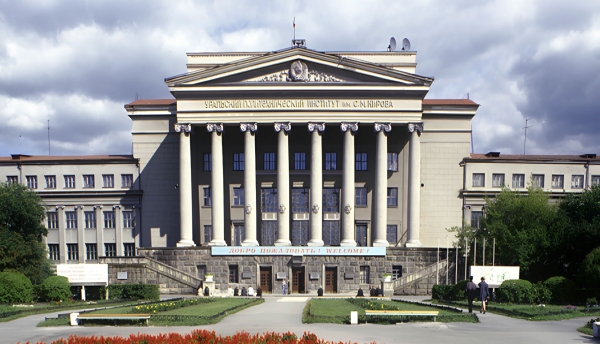 Kyrgyz Russian Slavic University (KRSU)
 (5.00/5)
Stream: General Medicine
Degree: MBBS (Bachelor of Medicine and Bachelor of Surgery)
Country: Kyrgyzstan
Fees: ₹39.00 Lacs
-
 Kyrgyz State Medical Academy
 (4.00/5)
Stream: General Medicine
Degree: MD (Doctor of Medicine)
Country: Kyrgyzstan
Fees: ₹40.20 Lacs
-
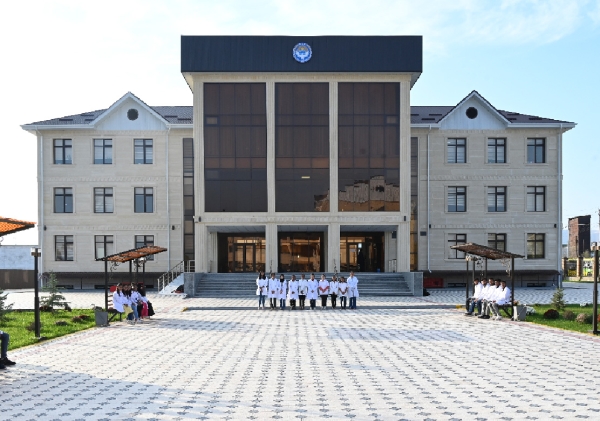 B. Osmonov Jalal-Abad State University (4.00/5)
Stream: General Medicine
Degree: MD (Doctor of Medicine)
Country: Kyrgyzstan
Fees: ₹30.00 Lacs
-
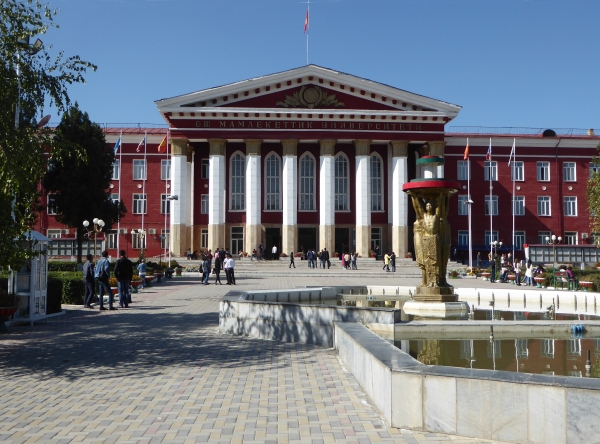 Osh State University (4.00/5)
Stream: General Medicine
Degree: MD (Doctor of Medicine)
Country: Kyrgyzstan
Fees: ₹33.72 Lacs
Video Guides for MBBS in Kyrgyzstan
Follow Us: 


MBBS in Kyrgyzstan Top Universities, Complete Budget, Accreditation and More.
Kyrgyzstan vs Uzbekistan vs Russia MBBS 2026 | कौन सा देश बेहतर है? 🔥
MBBS in Russia, Kyrgyzstan, Uzbekistan 3 Years of FMGE Data
Russia vs Kyrgyzstan Which is Better for MBBS?
NMC Rule Explained Kyrgyzstan MBBS License Process Step by Step
MBBS in Kyrgyzstan 2026 | Fees, Student Feedback, Pros & Challenges Explained
MBBS Abroad 2026 | 29 Most Asked Questions | Eligibility, Visa, Hostel, Language | Full Guide
MBBS Abroad 2026 Reality | Indian Students Complete Guide | Countries, Fees & NMC Rules
Is MBBS in Kyrgyzstan Safe for Indian Girls? #mbbsinkyrgyzstan #trending
Kyrgyz-Russian Slavic University | Top University of Kyrgyzstan | Best FMGE Result | MBBSDIRECT
MBBS in Kyrgyzstan | क्या यह University Kyrgyzstan से MBBS करने के लिए Best Option हैं? #mbbsabroad
Still Unsure Which Destination is Right for You?
With so many options, making the right choice can be tough. Speak to our senior counselors today and get 100% clarity on fees, safety, and FMGE success rates.
Talk to Us: +91 9717172071
Globus Supermarket Near Kyrgyz Russian Slavic University
MBBSDIRECT 18 Jul 2026 11:30 am