Student Helpline! +91 9717172071
  Apply Here



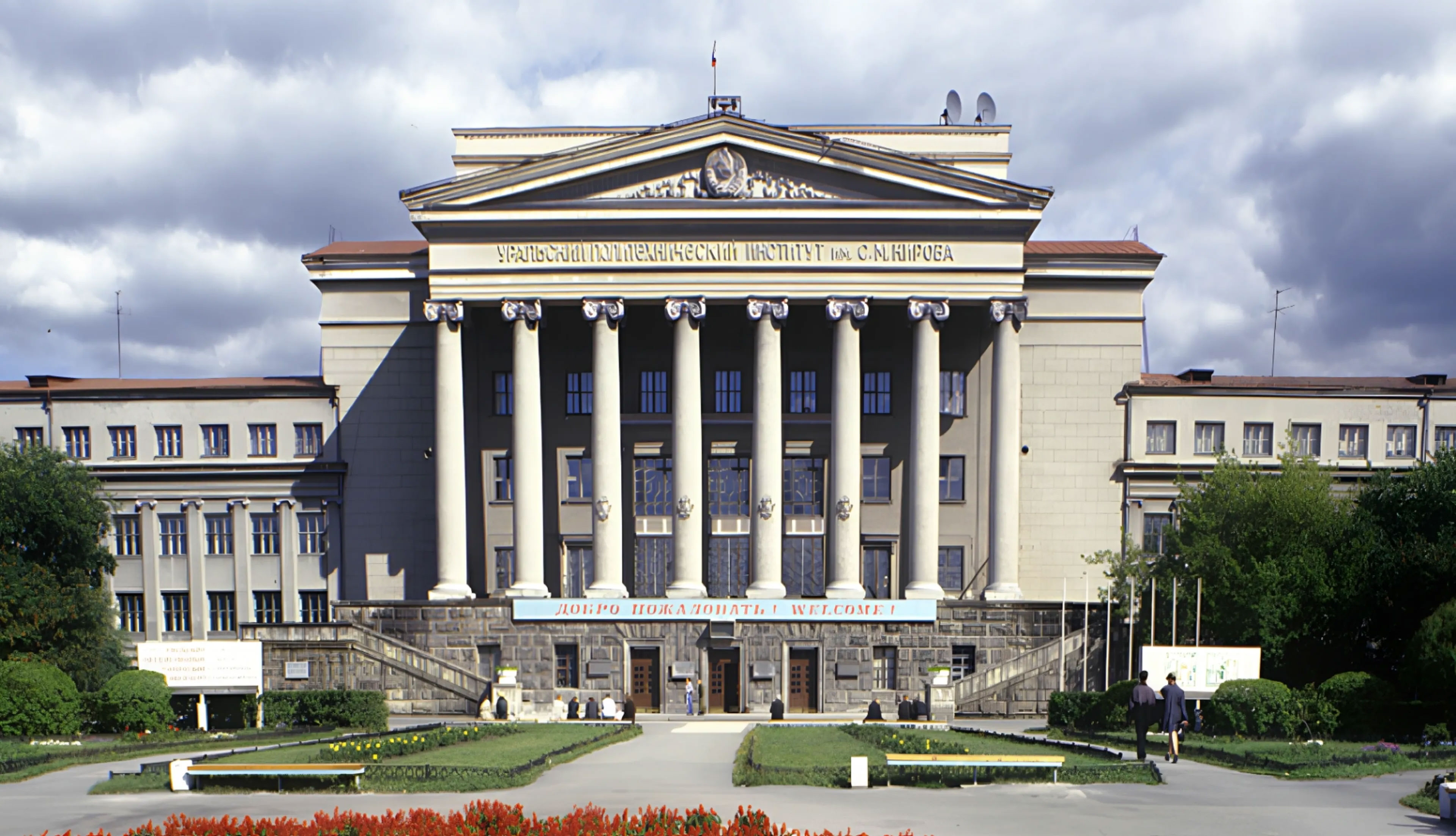
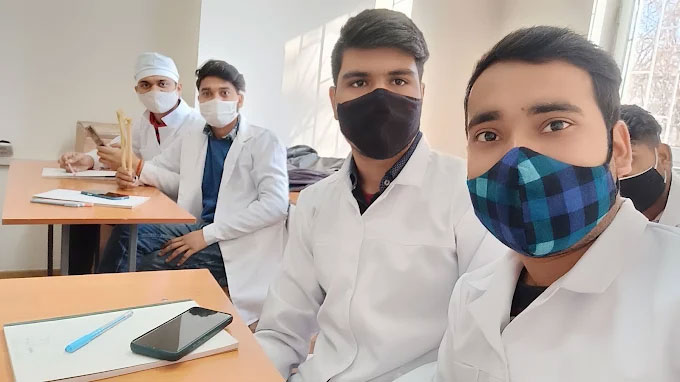
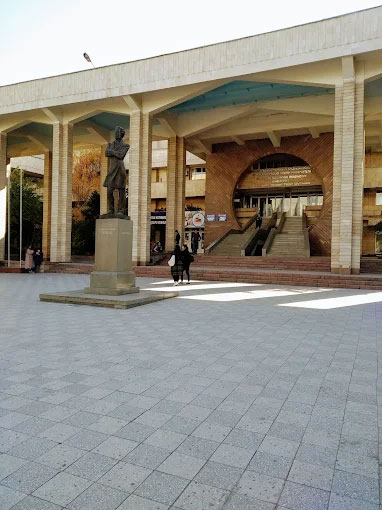
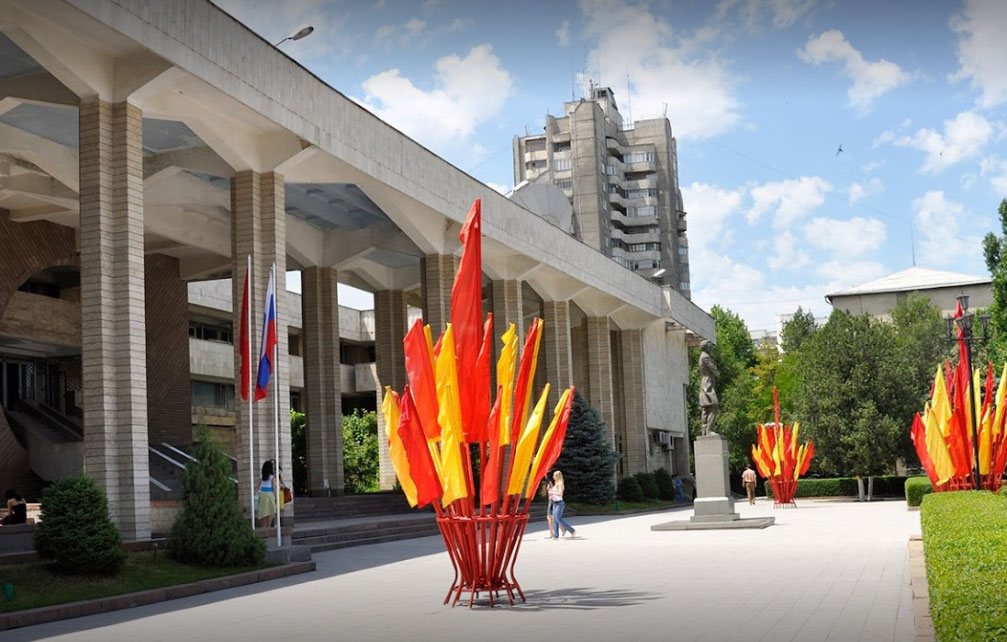
Kyrgyz Russian Slavic University (KRSU)
An Overview of University
| University Type : | Public |
| Estd. Year : | 1993 (Indian English-medium program: 2015) |
| Medium of Course : | English (core curriculum) + Russian (clinical) |
| Annual Tuition + All-Inclusive : | Year 1: USD $10,000 | Years 2–6: USD $6,450/yr |
| Total 6-Year Cost : | USD $42,250 (~₹35.5–39 Lakh) — all-inclusive |
| Course Duration : | 6 years (pre-clinical + clinical + internship) |
| Degree Awarded : | Doctor of General Medicine (equivalent to MBBS) |
| NMC Recognition : | Yes — eligible for FMGE / NExT (WHO WDOMS listed) |
| FMGE Pass Rate : | 35%+ consistently | Peak: 55%+ (national avg: 15–20%) |
| Group / Batch Size : | Maximum 8 students per group |
| Total Indian Seats (2026) : | 125 — deliberately capped |
| Fee Includes : | Tuition + Hostel + Indian Food + Insurance + Visa (Yr 1) |
| Indian Community : | Active student association; Indian food in hostel canteen |
| Student Rating : | Consistently #1 in Kyrgyzstan by Indian students |
| Academic Session : | September / October |
MBBS for Indian Students — 2026 Complete Guide
Why KRSU Stands Apart from Every Other University in Kyrgyzstan
There are over 15 medical universities in Kyrgyzstan that admit Indian students. Most are affordable. Several are WHO-listed and NMC-eligible. But ask any experienced MBBS abroad counsellor, ask students currently studying in Bishkek, or look at the FMGE results — one name comes up consistently: Kyrgyz Russian Slavic University, or KRSU.
KRSU is not the oldest medical institution in Kyrgyzstan. It is not the cheapest. But it is the one where Indian students are most likely to actually pass the FMGE / NExT, graduate with strong clinical knowledge, and feel that their 6 years were well spent. The evidence is in the numbers: a FMGE pass rate consistently above 35%, with peaks above 55% — at a time when the national average hovers around 15–20%.
This guide gives you the complete picture: costs, curriculum, seat history, what makes KRSU different, how it compares to KSMA and other Kyrgyzstan universities, life in Bishkek, and exactly what to do if you want to apply.
KRSU at a Glance — Key Facts
| Factor | Details |
|---|---|
| University Full Name | Kyrgyz Russian Slavic University (KRSU) |
| Location | Bishkek, Kyrgyzstan — capital city |
| Established | 1993 (Indian English-medium program launched: 2015) |
| Degree Awarded | Doctor of General Medicine (equivalent to MBBS) |
| Course Duration | 6 years (pre-clinical + clinical + internship) |
| Medium of Instruction | English (core curriculum) + Russian (clinical practice) |
| Total Intake (2026) | 125 seats (Indian students — English-medium program) |
| Group / Batch Size | Maximum 8 students per group |
| Year 1 Fee (All-Inclusive) | USD $10,000 (~₹9.3 Lakh) — tuition + hostel + Indian food + insurance + visa |
| Year 2–6 Fee (Per Year) | USD $6,450 (~₹6 Lakh) — all-inclusive |
| Total 6-Year Cost | USD $42,250 (~₹39 Lakh) — all-inclusive, no hidden fees |
| FMGE Pass Rate | Consistently 35%+ | Peak: 55%+ (vs national avg ~15–20%) |
| NMC Recognition | Eligible for FMGE / NExT (listed in WHO World Directory) |
| Teaching Hospital | KRSU-affiliated clinical hospitals in Bishkek |
| Student Feedback | Consistently rated #1 in Kyrgyzstan by Indian students |
| Academic Session | Starts September / October each year |
The Story Behind KRSU's Growth — Quality Over Quantity
Most universities, when they see demand, respond by opening as many seats as possible. KRSU took the opposite approach. When the English-medium program for Indian students launched in 2015, they started with just 15 seats. Not 100. Not 200. Fifteen — so they could monitor every student, measure outcomes, and ensure the program was genuinely working before growing it.
| Year | Seats | What Changed |
|---|---|---|
| 2015 | 15 seats | English-medium program launched for Indian students — very limited pilot intake |
| 2016 | 40 seats | First quality review passed; intake expanded after strong Year 1 outcomes |
| 2019 | 70 seats | Demand grew; facilities upgraded, faculty expanded proportionally |
| 2020 | 90 seats | Clinical training infrastructure strengthened; batch size maintained at ≤8 students |
| 2026 | 125 seats | Current intake — deliberately capped to preserve teaching quality and FMGE outcomes |
In 11 years, KRSU has grown from 15 to 125 Indian seats. By comparison, some Kyrgyzstan universities admit 300–500 Indian students every single year. KRSU chose not to. The result: students who enrol here are not one of hundreds — they are one of 125, and they get taught in groups of maximum 8.
What 8 Students Per Group Actually Means for Your Education
This is the single most important academic feature of KRSU. It is worth understanding in concrete terms rather than just as a marketing point. Medical education, more than almost any other field, rewards conceptual clarity and hands-on engagement. A student who really understands Pathophysiology passes FMGE. A student who memorised it for a group exam of 30 often does not.
✓ In a group of 8 (KRSU)
- Every student is visible to the teacher — no hiding at the back
- Doubts get answered in the session — not left for self-study
- Clinical case discussions involve every student
- Practical demonstrations are visible to all students
- Weak areas caught early — not at the year-end exam
- Teacher knows each student's strengths and gaps by Week 2
✗ In a group of 20–30 (Typical)
- Teachers cannot engage every student in a 1-hour session
- Students who don't speak up go weeks without notice
- Practical demonstrations blocked by students in front
- Case discussions dominated by 3–4 vocal students
- Weak students identified only at exam results — too late
- No individual academic tracking in large cohorts
FMGE & NExT Results — The Proof
The FMGE (Foreign Medical Graduate Examination), now being transitioned to NExT (National Exit Test), is the gate through which all foreign medical graduates must pass to practise medicine in India. It is a 300-question MCQ exam covering all subjects of MBBS — comprehensive, rigorous, and statistically very difficult.
The national average pass rate for all foreign medical graduates across all countries is approximately 15–20%. Most Kyrgyzstan universities fall in this range or below it. KRSU's pass rate has been consistently above 35%, with peak performances exceeding 55%.
| Factor | KRSU | Typical Kyrgyzstan University |
|---|---|---|
| FMGE Pass Rate | 35%+ consistently; peak 55%+ | ~15–20% national average |
| Batch Size | Max 8 students/group | 15–30+ students/group |
| Annual Intake | 125 (deliberately capped) | 350–500+ students |
| Faculty Attention | High — small groups enable 1:1 focus | Limited in large batches |
| Seat Expansion Pattern | Slow, quality-first growth over 11 years | Rapid expansion in many institutions |
| Student Feedback | Rated #1 in Kyrgyzstan consistently | Mixed, varies by institution |
KRSU vs KSMA — The Most Common Comparison Indian Students Make
KSMA (Kyrgyz State Medical Academy) is the oldest and most well-known medical university in Kyrgyzstan. It is often the first name students hear. Here is an honest, detailed comparison of both:
| Factor | KRSU | KSMA |
|---|---|---|
| Founded / Indian Program | 1993 / Indian prog. since 2015 | 1939 / Long-established |
| Annual Intake (Indian) | 125 seats (capped) | 350–500+ seats |
| Batch Size | Max 8 students | 16–25 students |
| FMGE Track Record | 35–55%+ consistently | Varies; generally lower |
| Teaching Focus | Small-group, personalised | Larger batch, standard lectures |
| Infrastructure | Modern; proportional to intake | Older campus, larger complex |
| Total 6-Year Cost | ~₹39 Lakh (all-inclusive) | ~₹43 Lakh (all-inclusive) |
| Student Community | Tight-knit; well-supported | Large; well-established Indian community |
| Best For | Students prioritising FMGE outcomes | Students wanting established name recognition |
Course Structure & Curriculum at KRSU — Year by Year
KRSU's General Medicine program follows the 6-year structured curriculum standard to Russian-model medical universities. The program is designed to develop both theoretical knowledge and clinical competence, with Russian language learning integrated from Year 1. Every subject is taught in groups of maximum 8 students.
| Year | Phase | Subjects / Focus Areas |
|---|---|---|
| Year 1 | Pre-Clinical | Anatomy, Histology, Biochemistry, Biophysics, Latin, Russian Language (Beginner) |
| Year 2 | Pre-Clinical | Physiology, Microbiology, Pathological Anatomy, Russian Language (Intermediate) |
| Year 3 | Para-Clinical | Pathophysiology, Pharmacology, Propedeutics of Internal Medicine, Russian Language (Clinical) |
| Year 4 | Clinical | Internal Medicine, Surgery, Pediatrics, Neurology, Psychiatry — Hospital rotations begin |
| Year 5 | Clinical | Obstetrics & Gynaecology, ENT, Ophthalmology, Infectious Diseases, Oncology, Dermatology |
| Year 6 | Internship | All-department rotations, OSCE Exams, Final State Examinations, Clinical Internship |
Pre-Clinical Years (1–2) — Foundation Building in Groups of 8
In small groups of 8, students build foundational medical knowledge. The key advantage: when a student does not understand a concept in Anatomy or Physiology, the teacher notices in the same session. Gaps are addressed immediately rather than accumulating over months. This early foundation directly impacts FMGE performance years later.
Para-Clinical Year (3) — The FMGE-Critical Year
Year 3 is often the most critical year for FMGE preparation. Pathology, Pharmacology, and Propedeutics carry heavy FMGE weightage. At KRSU, these subjects receive deep, focused attention in small-group settings — a significant advantage over institutions where these are taught in large lecture halls with passive learning.
Clinical Years (4–6) — Hospital-Based Training
From Year 4, students rotate through KRSU's affiliated teaching hospitals in Bishkek. Clinical training is conducted in Russian (hospital environment), making the Russian language skills from Years 1–3 essential. The small batch size continues to benefit students here: each student gets direct involvement in patient examination, case discussion, and clinical procedures — not just observation from the back of a group.
Complete Fee Structure — Year by Year (All-Inclusive)
One of KRSU's most student-friendly policies is its all-inclusive fee structure. There is no need to separately budget for hostel, food, or insurance — it is all covered in the annual fee. This removes the common first-year shock of unexpected additional charges that families face at other universities.
| Year | Fee (USD) | Fee (INR Approx.) | What's Included |
|---|---|---|---|
| Year 1 | $10,000 | ~₹9.3 Lakh | Tuition + Hostel + Indian food + Medical insurance + Visa processing |
| Year 2 | $6,450 | ~₹6.1 Lakh | Tuition + Hostel + Indian food + Medical insurance |
| Year 3 | $6,450 | ~₹5.4 Lakh | Tuition + Hostel + Indian food + Medical insurance |
| Year 4 | $6,450 | ~₹5.4 Lakh | Tuition + Hostel + Indian food + Medical insurance |
| Year 5 | $6,450 | ~₹5.4 Lakh | Tuition + Hostel + Indian food + Medical insurance |
| Year 6 | $6,450 | ~₹5.4 Lakh | Tuition + Hostel + Indian food + Medical insurance |
| TOTAL (6 Years) | $42,250 | ~₹35.5–39 Lakh | All costs combined — no hidden fees |
What the Fee Includes — No Hidden Costs
- Tuition fees for the full academic year
- On-campus hostel accommodation (shared room — typically 2 students)
- Indian food in the hostel canteen — Indian dietary preferences catered for, including vegetarian options
- Medical and health insurance (mandatory for international students)
- Visa processing fees — Year 1 only (not applicable from Year 2 onwards)
What the Fee Does NOT Include
Personal expenses (mobile, clothing, entertainment), flight tickets to/from India, books and study materials (₹15,000–25,000 per year approximately), and exam-related study resources for FMGE preparation.
Life at KRSU — Bishkek, Hostel, Food & Student Community
Location — Bishkek, Capital of Kyrgyzstan
KRSU is located in Bishkek, the capital and largest city of Kyrgyzstan. Bishkek is a modern Central Asian city with good infrastructure, reliable public transport, established expat communities, and direct flight connections to major Indian cities (Delhi, Mumbai). Being in the capital means access to better hospitals, more international services, and a more developed environment than regional Kyrgyzstan cities. The Tian Shan mountain range provides a spectacular backdrop visible from across the city.
Hostel — On-Campus, Secure, and Indian-Friendly
KRSU's on-campus hostel accommodates Indian students in shared rooms (typically 2 students per room). Hostel facilities include common kitchens, common rooms, and the canteen that serves Indian food. The hostel is secure — with access controls and staff on-site. Being on-campus means students do not need to navigate public transport to reach classes every day, which is particularly valuable during Bishkek's cold winters.
Indian Food — Included in the Fee
Unlike most universities where Indian food is a separate expense, KRSU includes Indian food in the annual fee package. The hostel canteen caters specifically to Indian dietary preferences — including vegetarian options. Students who have strict dietary requirements (Jain, South Indian, regional preferences) generally find the canteen manageable. Bishkek also has Indian restaurants and Indian grocery stores for additional variety.
Russian Language — Your Most Important Investment
KRSU provides structured Russian language classes from Year 1. The investment here is critical: clinical Years 4–6 take place in Russian-language hospital environments. Students who take language seriously from Year 1 report a significantly different — and better — experience during hospital rotations. Those who skip language classes often find Years 4–6 isolating and confusing.
The Indian Student Community at KRSU
With 125 Indian students joining each year and multiple years of students on campus simultaneously, KRSU has a substantial, active Indian student community. New students are supported by seniors from Day 1. There are active WhatsApp groups, student associations, and cultural events. Diwali, Holi, and Independence Day are celebrated. The tight-knit community — much smaller than universities with 400–500 Indian students — means new students are rarely lost in the crowd and individual support is consistently available.
Climate — Bishkek Winters and Summers
- Winter (December–February): −10°C to −20°C — cold but manageable with proper clothing
- Spring / Autumn: Pleasant — 15°C to 25°C
- Summer (June–August): 30°C–40°C — hot and dry
- KRSU hostel and university buildings are well-heated in winter
- Most students adapt to the climate within their first academic year
Eligibility & Admission Process for KRSU
Eligibility Criteria
- Cleared NEET (mandatory under NMC rules — no exceptions)
- Class 12 with Physics, Chemistry, and Biology — minimum 50% aggregate in PCB (40% for SC/ST/OBC)
- Minimum age 17 years on or before 31st December of the year of admission
- Valid Indian passport
Step-by-Step Admission Process
- NEET Qualification: Confirm your NEET scorecard. This is the starting point — nothing proceeds without it.
- Application Submission: Submit Class 10 and 12 marksheets, NEET scorecard, and passport copy. Given only 125 seats are available, early applications are strongly advised.
- University Review & Offer Letter: KRSU reviews the application and issues an official offer / invitation letter on university letterhead with the registrar's seal — your visa document.
- First-Year Fee Payment: Pay USD $10,000 directly to the university's official bank account. Retain the payment receipt.
- Student Visa Application: Apply at the Kyrgyz Embassy in New Delhi with the offer letter, academic documents, medical certificate, police clearance, and passport. Visa processing typically takes 2–4 weeks.
- Travel & Arrival: KRSU arranges airport pickup. Report to the hostel, complete registration, and settle in before classes begin in September/October.
Documents Required
- Class 10 Marksheet & Certificate (attested / apostilled)
- Class 12 Marksheet & Certificate (attested / apostilled)
- NEET Score Card (original + copies)
- Valid Passport (minimum 1.5 years validity from travel date)
- 10 Passport-size photographs
- Birth Certificate (attested)
- Medical Fitness Certificate (from a registered doctor)
- Police Clearance Certificate
- Migration Certificate (from Class 12 board)
Who Should Choose KRSU?
✓ KRSU is the right choice if:
- You have cleared NEET and want the best possible FMGE / NExT preparation environment in Kyrgyzstan
- You value small-group teaching (max 8 students) and personalised faculty attention over a larger, more anonymous experience
- Your budget supports ~₹35.5 Lakh all-inclusive over 6 years (slightly higher than budget options, but with no hidden costs)
- You want the confidence of an all-inclusive fee — no separate budgeting for hostel, food, or insurance
- You want to be part of a tight-knit, well-supported Indian student community (125 students/year, not 400+)
- You understand the FMGE / NExT requirement and want to be at the university with the best proven track record for it
- You value a university's demonstrated outcomes over its brand name or institutional age
✗ Consider alternatives if:
- Your total budget is strictly below ₹25–28 Lakh for 6 years — lower-cost options in Kyrgyzstan (e.g. KSMA) may be more appropriate
- You specifically want a very large Indian student community of 400–500 students — KSMA or ISM would offer this
- You prefer the name recognition of an older, more established institution over demonstrated FMGE results
- Seats are already full for the upcoming intake — in which case, we can advise on next steps and alternatives
Pre-Departure Checklist — Before You Fly to KRSU
Document / Administrative
- NEET scorecard (original + 3 copies)
- Official KRSU offer letter (original)
- Student visa stamped in passport
- Year 1 fee payment receipt (USD $10,000)
- Class 10 & 12 certificates (attested originals)
- Passport validity: minimum 1.5 years from travel date
- Medical fitness certificate
- Police clearance certificate
- Medical insurance confirmation
Practical / Personal
- Warm winter clothing (jacket, boots, thermals)
- Indian medicines for 3–6 months
- Debit card with international ATM access
- KRSU student WhatsApp group joined
- Basic Russian phrases app downloaded
- Flight booked with KRSU arrival date confirmed
- Airport pickup arranged through KRSU
- Emergency contact list (family + KRSU + Indian Embassy Bishkek)
- Books and study materials for first semester
Frequently Asked Questions — KRSU
The Bottom Line — Is KRSU Right for You?
KRSU is not the cheapest option in Kyrgyzstan. It is not the oldest or the largest. But it is, by the metrics that actually matter for Indian students — FMGE pass rate, student feedback, teaching quality, and long-term career outcomes — the strongest performing medical university in Kyrgyzstan for Indian students.
The seat growth story (15 → 40 → 70 → 90 → 125 over 11 years) is not just a statistic. It is a statement about what the university believes in: that the quality of a doctor's education is more important than the revenue from filling a hall. For a family spending ₹35 Lakh and 6 years on a medical education, that is the institution you want your child in.
When 1 in 2–3 KRSU graduates passes FMGE on their first attempt — compared to 1 in 5–6 at the average Kyrgyzstan university — that difference is not marketing. It is the product of small groups, dedicated faculty, a structured curriculum, and an institution that has never prioritised revenue over results.
If you would like to apply to KRSU or want to discuss whether it is the right fit for your specific situation, the team at MBBSDirect.com is here for an honest conversation. We will tell you if KRSU is right for you — and if it is not, we will tell you that too.
www.mbbsdirect.com — Your trusted guide to MBBS abroad — honest advice, direct admissions, no hidden charges.