Student Helpline! +91 9717172071
  Apply Here



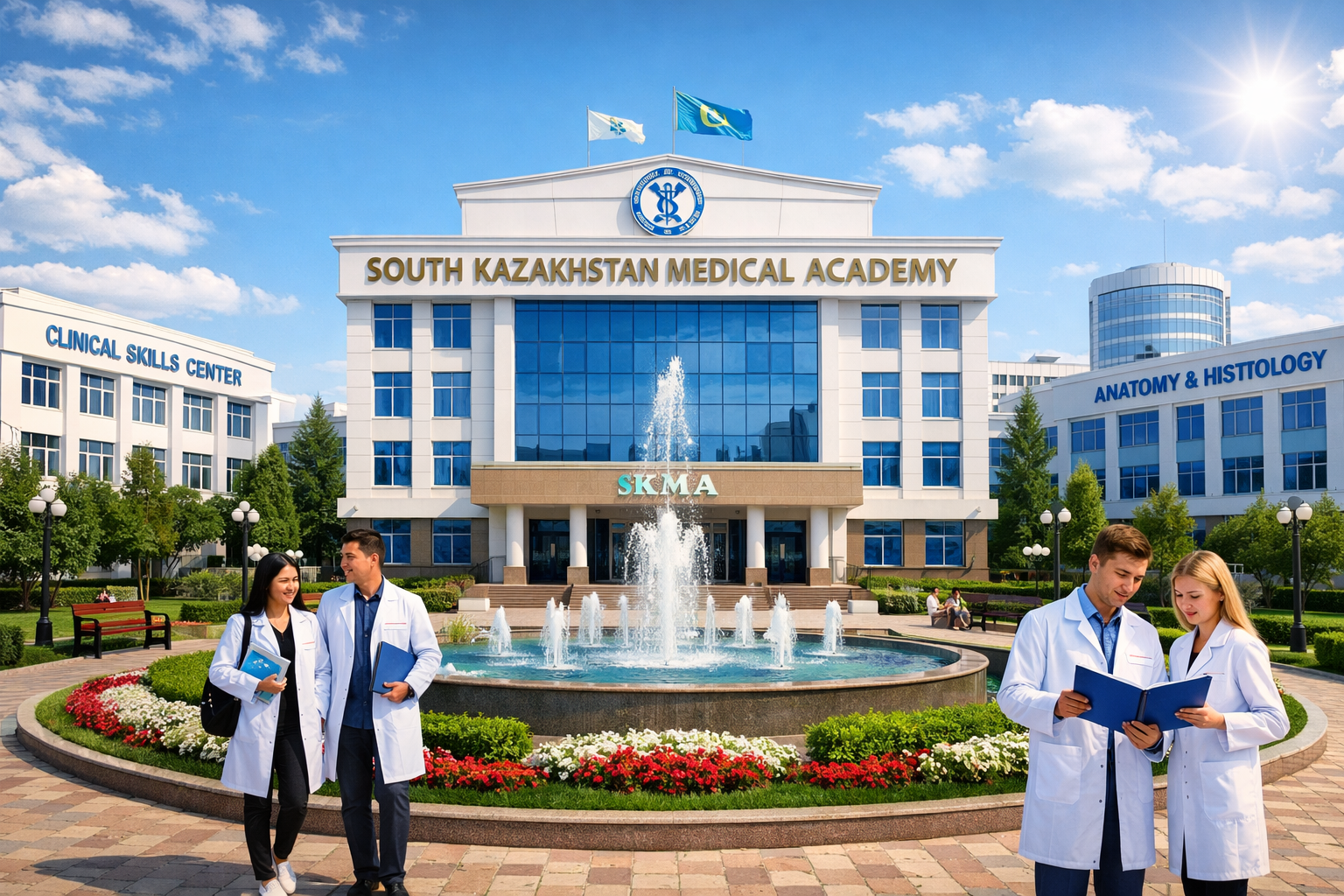
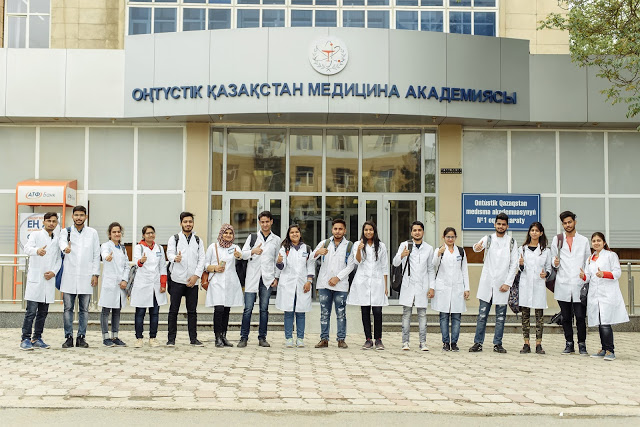
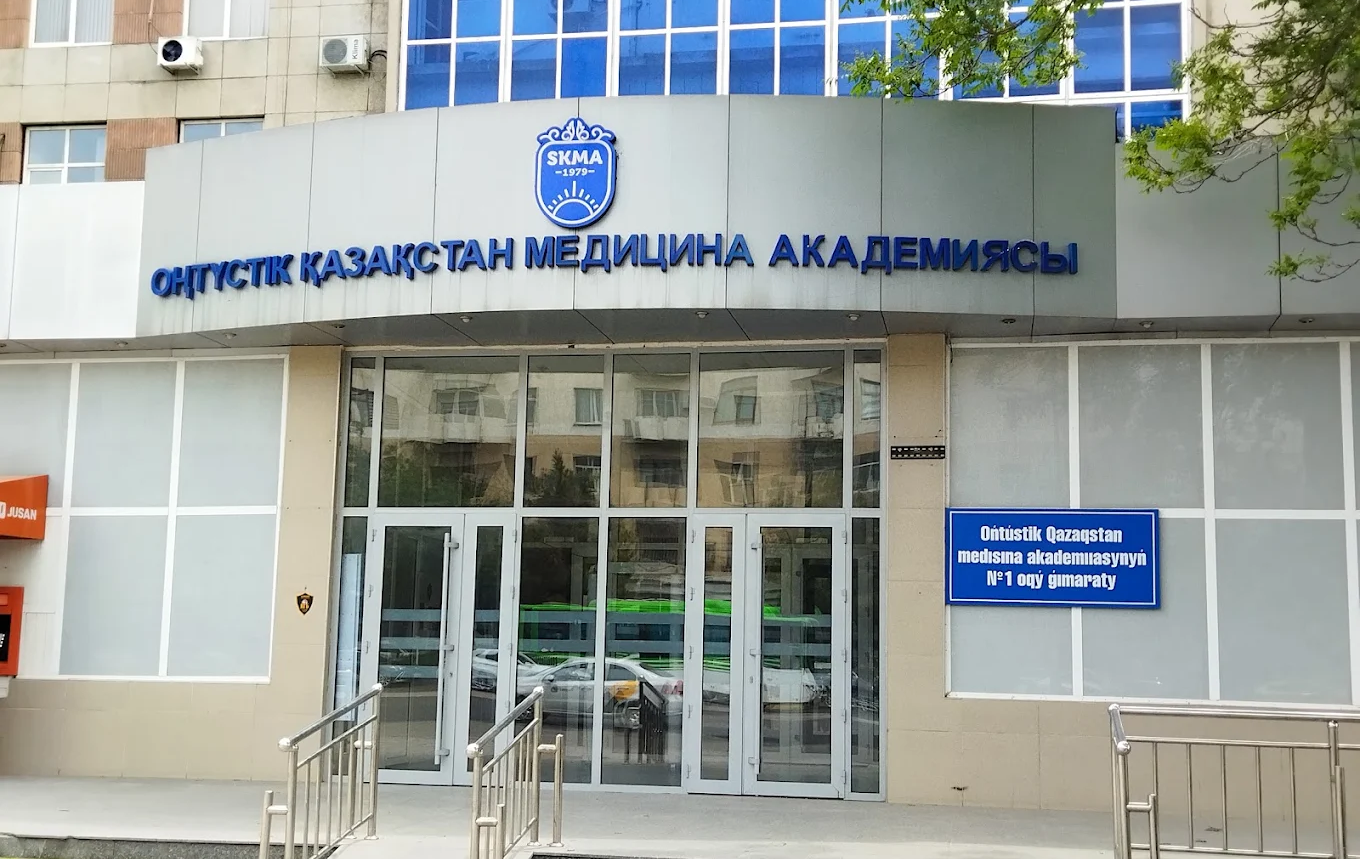
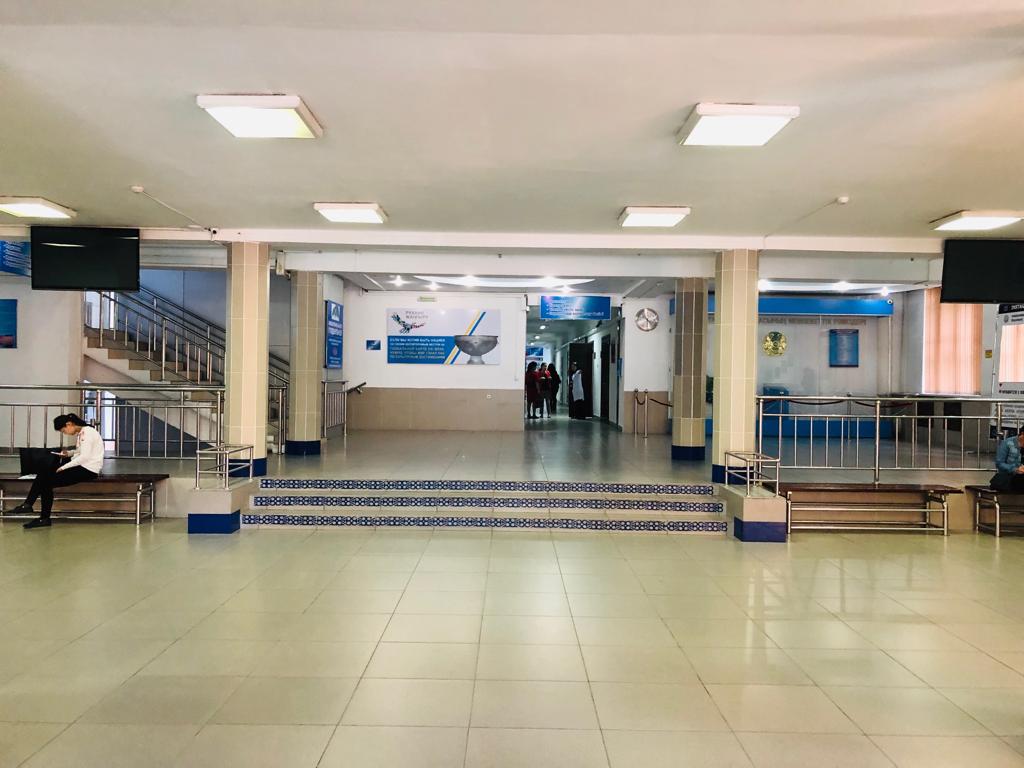
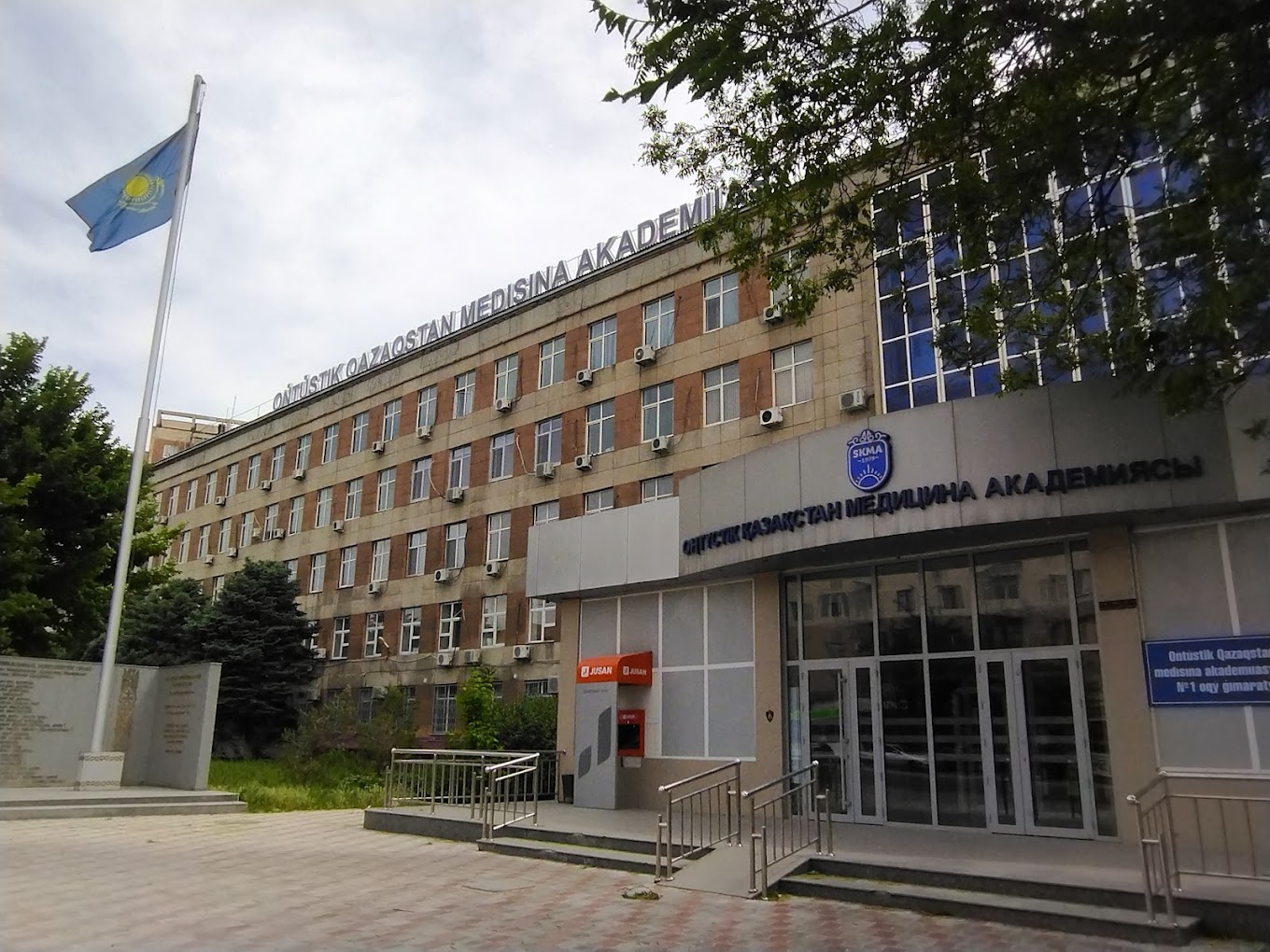
South Kazakhstan Medical Academy (SKMA)
Shymkent, Kazakhstan — India's Most Preferred MBBS Destination in Southern Kazakhstan
An Overview of University
| Full Name : | South Kazakhstan Medical Academy (SKMA) |
| Country : | Kazakhstan, Central Asia — stable, safe, student-friendly; NOT Russia |
| Location : | Shymkent, South Kazakhstan — 3rd largest city; 120 km from Tashkent; at the foothills of the Ugam mountain range |
| Founded : | 1979 (as Shymkent State Medical Institute); renamed South Kazakhstan Medical Academy 2004; 45+ years |
| University Type : | Government institution (Ministry of Education & Science, Kazakhstan) — classical medical academy focused exclusively on medicine |
| ISO Certification : | ISO 9001 certified (received 2006; renewed 2009 & 2012) — internationally validated quality management standard |
| Indian Students : | ~2,000 Indian students — largest Indian community of any medical academy in southern Kazakhstan; largest cohort since establishment |
| Indian Mess : | Indian-chef-managed mess; daily veg & non-veg; mandatory Year 1 (~$1,300 USD/yr); optional from Year 2 (~$100 USD/month) |
| Indian Warden : | 24/7 Indian warden on campus — pastoral support, parent contact, day-to-day issue resolution |
| Indian Hostel Blocks : | Dedicated Indian student sections in hostel; separate male/female blocks |
| FMGE Coaching : | Dedicated FMGE coaching on campus; peer coaching culture from ~2,000 Indian students |
| FMGE Pass Rate : | 25.19% (2024) — above general foreign medical graduate average; transparent disclosure |
| Medium of Course : | English (full curriculum for international students); Kazakh & Russian language training from Year 1 |
| NMC Recognition : | Yes — NMC, WHO, WDOMS, UNESCO, FAIMER & ISO 9001 certified; FMGE / NExT eligible |
| Clinical Infrastructure : | Own Training Medical Centre on campus; affiliated hospitals across Shymkent (2 million+ city); simulation centre; modern labs |
| Faculty : | 350–500+ faculty — professors, doctors of medical sciences, associate professors, clinical mentors |
| Total Students : | 11,000+ across all programmes |
| International Partnerships : | 12+ universities: USA, Singapore, Europe (multiple countries), Russia |
| Annual Tuition Fee : | $4,400 USD per year (all 6 years) |
| Annual Hostel Fee : | $700 USD per year — fully furnished shared room (2–3 students); 24/7 Wi-Fi; CCTV; central heating |
| Other Expenses : | $800 USD Year 1 (admission + insurance + visa); $400 USD Years 2–6 (insurance + visa extension) |
| Year 1 Total : | $5,900 USD (tuition $4,400 + hostel $700 + other $800) |
| Years 2–6 Total/Year : | $5,500 USD/year (tuition $4,400 + hostel $700 + other $400) |
| Total 6-Year Cost : | $33,400 USD — approx. ₹28–30 Lakh at ₹84–87/USD; no donation fees; no capitation charges |
| Climate : | Warmest major Kazakhstan MBBS city: winters 0°C to −5°C; summers +28°C to +33°C — most India-like climate in Kazakhstan |
| Admission Note : | HIV test certificate + MoEA attestation + Kazakhstan Embassy legalisation required; no separate university entrance exam |
| Academic Intakes : | September (main) + February; applications open from June/July |
India's Most Preferred MBBS Destination in Southern Kazakhstan — 2026 Complete Guide
Why South Kazakhstan Medical Academy Stands Apart
Among all NMC-approved medical institutions in Kazakhstan, South Kazakhstan Medical Academy (SKMA) in Shymkent holds a unique position — not because of a world-ranking number or a philosopher's name, but because of something that Indian families consistently find more reassuring than either: a genuinely home-like environment, built around one of the largest Indian student communities of any medical university in Central Asia. Approximately 2,000 Indian students are studying at SKMA. There is an Indian mess managed by Indian chefs. There is a 24/7 Indian warden available on campus. Hostel blocks have a dedicated Indian student section. Students play cricket on campus. Dedicated Indian faculty are available for FMGE coaching. Reviews from current students say, almost uniformly: "Shymkent feels just like home."
SKMA was established in 1979 and has over 45 years of continuous medical education history. It is a recognised government institution under the Ministry of Education and Science of Kazakhstan, with ISO 9001 quality certification, 12+ international university partnerships across the USA, Singapore, Europe, and Russia, and over 11,000 students enrolled across all programmes. It is located in Shymkent — Kazakhstan's 3rd largest city, with mild winters (0°C to −5°C) and warm summers (+33°C) that are far more India-like than any northern Kazakhstan university city — just 120 km from Tashkent.
For Indian families, the calculus is clear: NMC and WHO recognised MBBS, English-medium curriculum, dedicated FMGE coaching, institutional support for Indian students that is genuinely outstanding, and a total 6-year cost of $33,400 USD (~₹28–30 Lakh) in the warmest and most India-like MBBS city in Kazakhstan.
SKMA at a Glance — Key Facts
| Factor | Details |
|---|---|
| Full Name | South Kazakhstan Medical Academy (SKMA) |
| Country | Kazakhstan, Central Asia — stable, safe, student-friendly; NOT Russia |
| Location | Shymkent, South Kazakhstan — 3rd largest city of Kazakhstan; 120 km from Tashkent; at the foothills of the Ugam mountain range |
| Founded | 1979 (as Shymkent State Medical Institute); renamed South Kazakhstan Medical Academy 2004; 45+ years |
| University Type | Government institution (Ministry of Education & Science, Kazakhstan) — classical medical academy focused exclusively on medicine |
| ISO Certification | ISO 9001 certified (received 2006; renewed 2009 & 2012) — internationally validated quality management standard |
| Indian Students | ~2,000 Indian students — largest Indian community of any medical academy in southern Kazakhstan |
| Indian Mess | Indian-chef-managed mess; fresh Indian food daily (veg & non-veg); mandatory Year 1; optional from Year 2 |
| Indian Warden | 24/7 Indian warden on campus — pastoral support, parent contact, day-to-day issue resolution |
| FMGE Coaching | Dedicated FMGE coaching on campus; strong peer coaching culture from ~2,000 Indian students |
| FMGE Pass Rate | 25.19% (2024) — above general foreign medical graduate average; transparently disclosed |
| Degree Awarded | Doctor of General Medicine (MD — equivalent to MBBS) |
| Course Duration | 6 years (5 years academic + 1 year clinical internship) |
| Medium of Instruction | English (full curriculum for international students); Kazakh & Russian language training from Year 1 |
| NMC Recognition | Yes — NMC, WHO, WDOMS, UNESCO, FAIMER & ISO 9001 certified; FMGE / NExT eligible |
| Clinical Infrastructure | Own Training Medical Centre on campus; affiliated hospitals across Shymkent; simulation centre; modern labs; smart classrooms |
| Faculty | 350–500+ faculty — professors, doctors of medical sciences, associate professors, clinical mentors |
| Total Students | 11,000+ across all programmes |
| International Partnerships | 12+ universities: USA, Singapore, Europe (multiple), Russia |
| Annual Tuition Fee | $4,400 USD per year (all 6 years) |
| Annual Hostel Fee | $700 USD per year — fully furnished shared room (2–3 students); 24/7 Wi-Fi; CCTV; central heating |
| Year 1 Total | $5,900 USD (tuition $4,400 + hostel $700 + admission/insurance/visa $800) |
| Years 2–6 Total/Year | $5,500 USD/year (tuition $4,400 + hostel $700 + insurance/visa $400) |
| Total 6-Year Cost | $33,400 USD — approx. ₹28–30 Lakh at ₹84–87/USD; no donation; no capitation |
| Climate | Warmest major Kazakhstan MBBS city: winters 0°C to −5°C; summers +28°C to +33°C — most India-like climate |
| Academic Intakes | September (main) + February; applications open from June/July |
45 Years of Medical Education — The SKMA Story
South Kazakhstan Medical Academy was founded in 1979 by the Ministry of Health of Kazakhstan as the Shymkent State Medical Institute — one of the principal medical training institutions serving southern Kazakhstan and the Soviet Central Asian region. From its origins as a pharmacy and general medicine institute, it expanded progressively to encompass general medicine, dentistry, pharmacy, pediatrics, nursing, and public health.
Following Kazakhstan's independence, the institution went through two name changes: in 2001 it was reorganised as the South Kazakhstan State Pharmaceutical Academy, and in 2004 it was granted its current designation as the South Kazakhstan Medical Academy. In June 2006, SKMA received an international quality certificate to ISO 9001-2001 standards — successfully renewed in 2009 and 2012. Its Doctor of General Medicine programme received official accreditation under Resolution No. 574 on 22 November 2007. Today SKMA operates under the Ministry of Education and Science of Kazakhstan and is recognised by NMC India, WHO, WDOMS, UNESCO, and FAIMER. It has 12+ academic partnerships with universities in the USA, Singapore, Europe, and Russia, and enrolls 11,000+ students across all programmes.
Over decades of operation, the Indian student community at SKMA has grown to approximately 2,000 students — the largest of any medical institution in southern Kazakhstan. This sustained Indian presence has shaped the institution's specific provisions: a dedicated Indian mess with Indian chefs, a 24/7 Indian warden, dedicated Indian hostel blocks, FMGE coaching, and a formal support structure that makes SKMA genuinely distinctive among MBBS abroad options. Hundreds of SKMA Indian alumni have passed FMGE and are currently practising as doctors across India.
Shymkent — Southern Kazakhstan's Warmest & Most India-Like MBBS City
Shymkent is the third largest city of Kazakhstan and one of only three cities in the country with "republican significance" status — administratively equivalent to an entire region, alongside Almaty and Nur-Sultan. With a population of over 2 million, Shymkent is the capital of South Kazakhstan province and the economic, industrial, and educational hub of the entire southern region. It sits at the foothills of the Ugam mountain range in the valley of the Sayram River — a scenic and naturally pleasant setting — and is located just 120 kilometres from Tashkent, Uzbekistan.
For Indian students, Shymkent has decisive practical advantages over northern Kazakhstan cities and Russian MBBS destinations. The climate is significantly warmer: winters average 0°C to −5°C — far more manageable for Indian students than Almaty (−15°C), Nur-Sultan (−20°C), or Russian university cities (−15°C to −30°C). Summers reach +33°C — comparable to North India. Students from Rajasthan, Uttar Pradesh, Gujarat, Punjab, Haryana, and most of the Indian plains adapt to Shymkent's climate immediately and without difficulty.
- Warmest major MBBS city in Kazakhstan — winters 0°C to −5°C; no Arctic cold; standard winter jacket is sufficient; summers +28°C to +33°C — like North India
- 120 km from Tashkent — culturally and geographically closer to India than northern Kazakhstan alternatives; accessible by road and rail
- 3rd largest city in Kazakhstan (2 million+) — metropolitan infrastructure; 10+ universities; well-developed student city
- Shymkent Bazaar — famous daily market where Indian students find familiar spices, vegetables, and groceries at very low prices
- Shymkent International Airport — domestic and international connections; accessible routing for India travel
- Mountains visible from the city; Sayram River valley; Ugam-Chatkal National Park nearby — natural beauty within easy reach
- Affordable cost of living — monthly food and transport approximately $100–120 USD; significantly lower than Almaty
- Safe, welcoming, well-established student city — students consistently describe Shymkent as comfortable and home-like
SKMA's Indian Student Ecosystem — The Defining Advantage
The ~2,000 Indian students at SKMA are not simply a demographic statistic — they are the foundation of an institutional support ecosystem that has been built specifically for Indian students over decades. No other southern Kazakhstan medical institution has invested in Indian student welfare at this scale or with this deliberateness. The provisions are formal and institutional, not informal and ad hoc.
Indian Mess — Managed by Indian Chefs
SKMA's Indian mess is managed by Indian chefs and serves fresh Indian food daily — both vegetarian and non-vegetarian, with South Indian and North Indian options. Attendance at Indian mess is mandatory in Year 1 (approx. $1,300 USD/year — part of the transition and orientation support structure) and optional from Year 2, when students can choose to self-cook using hostel kitchen facilities, continue Indian mess (~$100 USD/month), or eat at the campus canteen. The availability of familiar, freshly prepared Indian food from Day 1 is consistently cited by SKMA students as the single factor that made their transition to life abroad smooth and stress-free.
24/7 Indian Warden — On-Campus Pastoral Support
SKMA has a dedicated Indian warden who is available 24 hours a day, 7 days a week, specifically to support Indian students. The warden resolves day-to-day accommodation and campus issues, acts as a point of contact between Indian students and university administration, provides pastoral support for students adjusting to life abroad, and serves as a reassuring point of contact for parents in India who have concerns about their child's wellbeing. This is an unusual and genuinely valuable facility that most other MBBS abroad institutions do not provide.
Dedicated Indian Hostel Blocks
SKMA provides separate hostel blocks for male and female students with dedicated sections for Indian students — ensuring Indian students live in a community with their peers from the very first day, building the support networks that make life abroad genuinely manageable.
FMGE Coaching & Peer Community
SKMA provides dedicated FMGE coaching on campus, available from the early years of the programme and intensifying in the para-clinical and clinical years. With approximately 2,000 Indian students, there is also a self-reinforcing peer coaching culture where seniors share resources, notes, past papers, and preparation strategies with juniors. The large Indian student community is not just a social advantage — it is an academic one.
Cricket on Campus
With approximately 2,000 Indian students, SKMA has the critical mass for organised cricket — and students have built a genuine cricket culture on and around campus. Cricket is played regularly. This is a telling detail: when 2,000 Indian students are present in one institution, they bring their culture with them — cricket, Diwali, Holi, Indian food, and all the informal community bonds that make a foreign environment feel genuinely like home.
Clinical Infrastructure — Training Medical Centre & Affiliated Hospitals
SKMA operates its own modern Training Medical Centre on campus — a dedicated clinical training facility that bridges the gap between classroom learning and full hospital rotations. Combined with its network of affiliated hospitals across Shymkent, SKMA provides progressive clinical exposure that begins from Year 3 and intensifies through Years 4 and 5 before the comprehensive Year 6 internship. Shymkent, as a major metropolitan city of over 2 million people, has a substantial and diverse hospital ecosystem — providing students with a genuinely broad patient caseload across multiple specialties.
As a "classical medical academy" focused entirely on medicine and related sciences, every facility, every faculty member, and every institutional resource at SKMA is directed towards medical education. There is no dilution of attention across engineering, humanities, or economics departments.
- On-campus Training Medical Centre — dedicated clinical training facility connecting classroom to hospital
- Affiliated hospital network across Shymkent — 2 million+ city providing diverse patient exposure
- State-of-the-art simulation centre for procedural and clinical skills training
- Modern scientific laboratories for anatomy, physiology, biochemistry, and microbiology
- Smart classrooms with digital teaching infrastructure across main campus buildings
- Large multi-language library with e-library access for all enrolled students
- Dedicated FMGE coaching from faculty familiar with the Indian licensing examination
- Clinical training from Year 3; full hospital rotations Years 4–5; comprehensive Year 6 internship
Course Structure & Curriculum at SKMA — Year by Year
SKMA's General Medicine (MD) programme runs for 6 years (5 years academic + 1 year internship), delivered entirely in English for international students, and structured to meet NMC and WHO guidelines. Kazakh and Russian language training is provided from Year 1 — essential for clinical years when hospital environments operate in local languages. No separate university entrance exam is required for Indian students — NEET qualification is sufficient.
| Year | Phase | Subjects / Focus Areas |
|---|---|---|
| Year 1 | Pre-Clinical | Anatomy, Histology, Biochemistry, Biophysics, Latin, Kazakh/Russian Language (Beginner) — Indian mess mandatory; Indian warden support from Day 1 |
| Year 2 | Pre-Clinical | Physiology, Microbiology, Immunology, Genetics, Kazakh/Russian Language (Intermediate) — peer community support from ~2,000 Indian seniors |
| Year 3 | Para-Clinical | Pathology, Pathophysiology, Pharmacology, Propedeutics of Internal Medicine — clinical contact begins; FMGE coaching intensifies |
| Year 4 | Clinical | Internal Medicine, General Surgery, Paediatrics, Neurology, Psychiatry — full hospital rotations across Shymkent |
| Year 5 | Clinical | Obstetrics & Gynaecology, ENT, Ophthalmology, Infectious Diseases, Oncology, Emergency Medicine, Dermatology |
| Year 6 | Internship | All-department rotations, OSCE Exams, Final State Examinations across Shymkent affiliated hospitals |
Pre-Clinical Years (1–2) — Foundation Sciences with Full Indian Support
SKMA's pre-clinical curriculum covers Anatomy, Histology, Biochemistry, Physiology, Microbiology, and Genetics, supported by well-equipped scientific laboratories. As a classical medical academy focused exclusively on medicine, faculty in these foundational disciplines are medical specialists. Kazakh/Russian language training from Year 1 prepares students for the bilingual clinical environment from Year 3 onwards. Indian students benefit immediately from the established senior-student community — there are always seniors who have navigated the same subjects, the same challenges, and the same FMGE preparation journey.
Para-Clinical Year (3) — FMGE Preparation Begins in Earnest
Year 3 is where Pathology, Pharmacology, and Propedeutics of Internal Medicine are taught alongside the student's first hospital contact. These subjects collectively account for approximately 15–20% of FMGE examination marks — and SKMA provides dedicated FMGE coaching from faculty who understand the examination pattern. The combination of structured para-clinical learning, introductory hospital exposure, and on-campus FMGE coaching makes Year 3 at SKMA a particularly well-supported experience.
Clinical Years (4–6) — Shymkent Hospital Network
From Year 4, SKMA students rotate through all major clinical departments in affiliated hospitals across Shymkent. As a city of 2 million+ people, Shymkent provides genuine patient volume and case diversity across Internal Medicine, Surgery, Paediatrics, Obstetrics, and all specialties relevant to FMGE. Students who have invested in Kazakh/Russian from Years 1–2 participate more fully in ward rounds and clinical discussions. The Year 6 internship covers all departments with OSCE-format examinations that directly align with FMGE/NExT clinical assessment requirements.
Complete Fee Structure — Year by Year (in USD)
SKMA's fee structure is denominated in US Dollars and is one of the most competitive for a quality Kazakhstan medical degree. Year 1 includes a one-time admission and registration charge in addition to tuition, hostel, and mandatory insurance and visa extension. From Year 2, only tuition, hostel, and annual insurance/visa extension apply. Indian mess is compulsory in Year 1 (approx. $1,300 USD additionally) and optional from Year 2 (~$100 USD/month).
| Year | Tuition (USD) | Hostel (USD) | Other Fees (USD) | Notes | Total/Year (USD) |
|---|---|---|---|---|---|
| Year 1 | 4,400 | 700 | 800 | Includes admission reg + insurance + visa extension | 5,900 |
| Year 2 | 4,400 | 700 | 400 | Insurance + visa extension | 5,500 |
| Year 3 | 4,400 | 700 | 400 | Insurance + visa extension | 5,500 |
| Year 4 | 4,400 | 700 | 400 | Insurance + visa extension | 5,500 |
| Year 5 | 4,400 | 700 | 400 | Insurance + visa extension | 5,500 |
| Year 6 | 4,400 | 700 | 400 | Insurance + visa extension | 5,500 |
| TOTAL | 26,400 USD | 4,200 USD | 2,800 USD | 33,400 USD |
INR Equivalent (at ₹84–87/USD): Total 6-Year ≈ ₹28–30 Lakh | Annual ≈ ₹46,200–51,300/year (tuition only)
What the Fee Includes
- Tuition ($4,400 USD/year) — all lectures, practicals, laboratory sessions, and clinical rotations; consistent all 6 years
- Hostel accommodation ($700 USD/year) — fully furnished shared rooms (2–3 students); central heating; 24/7 Wi-Fi; CCTV security; laundry; recreational zones; 5–10 minutes' walk to classrooms
- Medical and health insurance — mandatory for Kazakhstan student visa (included in other fees)
- Annual visa extension charges — to maintain legal student status in Kazakhstan (included in other fees)
- One-time admission and registration fee — Year 1 only (included in Year 1 other fees)
- Access to campus library, e-library, laboratories, simulation centre, Training Medical Centre, and sports facilities
Indian Mess — Mandatory Year 1, Optional Year 2 Onwards
Indian mess (approx. $1,300 USD/Year 1 — mandatory; optional from Year 2 at approx. $100 USD/month) is in addition to the above fees. This is a separate charge covering fresh Indian food managed by Indian chefs. Students who opt out from Year 2 can self-cook using hostel kitchen facilities (Indian groceries readily available in Shymkent's markets at very low prices) or eat at the campus canteen. Shymkent is one of the most affordable cities in Kazakhstan for student living — monthly food and transport for students not on Indian mess is approximately $100–120 USD.
SKMA vs Other NMC-Approved MBBS Universities Abroad — Honest Comparison
| Factor | South Kazakhstan Medical Academy (SKMA) | Typical NMC-Approved Abroad University |
|---|---|---|
| Indian Student Community | ~2,000 Indian students — largest in southern Kazakhstan; dedicated support ecosystem built around this community | Varies widely; most have far fewer; dedicated Indian support rare |
| Indian Mess | Indian-chef-managed mess on campus; mandatory Year 1; optional thereafter; fresh veg & non-veg daily | Available at some institutions; quality and availability vary significantly |
| Indian Warden | 24/7 Indian warden on campus — dedicated pastoral support; parent contact point | Rarely available; most institutions do not offer this facility |
| FMGE Coaching | Dedicated FMGE coaching + peer coaching culture from 2,000 Indian seniors | Varies; many institutions do not offer structured FMGE preparation |
| FMGE Pass Rate | 25.19% (2024) — above general foreign medical graduate average; transparently disclosed | Varies; not always transparently disclosed |
| NMC Recognition | NMC, WHO, WDOMS, UNESCO, FAIMER, ISO 9001 certified | Varies; verify each institution individually |
| Climate | Mild winters (0 to −5°C); hot summers (+33°C) — most India-like of all Kazakhstan MBBS cities | Northern Kazakhstan cities: winters −15°C to −25°C; much harsher |
| City Proximity | 120 km from Tashkent; southern Kazakhstan — culturally closer to Indian experience | Most MBBS destinations further north or further from Indian cultural context |
| International Partnerships | 12+ universities: USA, Singapore, Europe, Russia | Varies in number and quality |
| Cricket on Campus | Yes — played regularly; consequence of 2,000 Indian students bringing their culture | Cricket culture rare in non-Indian-majority campuses |
| Total 6-Year Cost | $33,400 USD (~₹28–30 Lakh) — fully transparent; no donation; no capitation | $25,000–$60,000 USD (wide variation) |
Eligibility & Admission Process for SKMA
Eligibility Criteria
- Cleared NEET (mandatory under NMC rules — no exceptions for Indian students)
- Class 12 with Physics, Chemistry, and Biology — minimum 50% aggregate in PCB (40% for SC/ST/OBC)
- Minimum age 17 years on or before 31st December of the admission year
- Valid Indian passport (minimum 18 months validity from date of travel)
- No separate SKMA university entrance exam required — NEET qualification is sufficient
Step-by-Step Admission Process
- NEET Qualification: Confirm your valid NEET scorecard. This is the mandatory starting point.
- Application Submission: Submit Class 10 and 12 marksheets, NEET scorecard, and passport to SKMA via MBBSDirect.com. Admission letter is typically issued promptly after document evaluation.
- Invitation Letter: SKMA processes the official Invitation Letter from the Ministry of Education, Kazakhstan — required for the Kazakhstan student visa. Apply early to allow sufficient processing time.
- Fee Payment: Pay Year 1 tuition fee to confirm admission — on arrival in Kazakhstan in USD or via prior bank transfer.
- Visa Application: Submit visa documents at the Kazakhstan Embassy or Consulate in India with invitation letter, academic certificates, medical fitness certificate, HIV test report, and passport. Processing takes up to 30 days.
- Travel & Arrival: MBBSDirect.com arranges airport transfer from Shymkent International Airport to SKMA campus. Main intake: September. February intake also available.
Documents Required
- Class 10 Marksheet & Certificate (attested / apostilled)
- Class 12 Marksheet & Certificate (attested / apostilled)
- NEET Score Card (original + copies)
- Valid Passport (minimum 18 months validity from travel date)
- 10–12 Passport-size photographs (white background)
- Birth Certificate (attested)
- Medical Fitness Certificate (from registered MBBS doctor)
- HIV Test Certificate (required for Kazakhstan student visa)
- Vaccination Record (up to date)
- Police Clearance Certificate
- Migration Certificate (from Class 12 board)
- Authorisation by Ministry of External Affairs (MoEA), New Delhi
- Legalisation by Kazakhstan Embassy / Consulate
Life at SKMA — Shymkent, Hostel, Food & The Indian Community
Location — Shymkent: Southern Kazakhstan's Beating Heart
The SKMA campus is located in the heart of Shymkent city — Kazakhstan's 3rd largest metropolitan area with 2 million+ residents. The campus is large and centrally positioned, with hostels just 5–10 minutes' walking distance from classrooms, laboratories, the library, and affiliated teaching hospitals. The city has public trams, trolleybuses, minivans, and taxis available around the clock at affordable fares. Shymkent International Airport connects to major regional hubs. The city's famous central bazaar offers fresh produce, spices, and everyday items at very low prices. With mountains visible from the city and the Sayram River flowing nearby, Shymkent has a natural charm that northern industrial cities lack.
Hostel — Dedicated Indian Blocks, Indian Warden, 24/7 Security
SKMA's hostels are located on or adjacent to the main campus, within 5–10 minutes' walking distance of all academic facilities. Separate hostel blocks for male and female students with dedicated sections for Indian students. Rooms are fully furnished (beds, desks, chairs, wardrobes, AC heating) and shared between 2–3 students at $700 USD per year — one of the most affordable hostel costs of any Kazakhstan medical institution. Facilities include 24/7 high-speed Wi-Fi, laundry, CCTV surveillance, electronic access security, and recreational spaces. The 24/7 Indian warden is available at all times, providing pastoral support and serving as a trusted contact for students and their parents.
Sports & Campus Life — Cricket, Culture & Community
The ~2,000 Indian student community has built a vibrant social and sports culture on and around campus. Cricket is played regularly — unusual in Central Asia, made possible only by the scale of SKMA's Indian student community. Cultural events, Diwali celebrations, Holi, and Indian festivals are celebrated with genuine enthusiasm. Sports facilities include basketball, volleyball, football, and cricket courts. Student clubs organise cultural activities, social service events, and health awareness campaigns. The combination of academic focus and rich social life — in a familiar, India-friendly environment — makes SKMA one of the most comfortable MBBS abroad experiences available to Indian students.
Climate — Shymkent's India-Like Seasons
- Summers (June–August): 28°C–33°C — warm and sunny; very similar to Indian summer conditions in North India and Rajasthan
- Winters (December–February): 0°C to −5°C — the mildest winter of any major Kazakhstan MBBS city; manageable with a warm jacket; no Arctic cold
- Spring/Autumn: 15°C–25°C — beautiful seasons; mountains and valley views around campus
- Significantly warmer than Almaty (−15°C), Nur-Sultan (−20°C), and all Russian university cities (−15°C to −30°C)
- Indian students from Punjab, Rajasthan, UP, Gujarat, Haryana, and most of North India adapt to Shymkent's climate immediately
Who Should Choose SKMA?
✓ SKMA is the right choice if:
- You want the most established and largest Indian student community of any medical academy in southern Kazakhstan — ~2,000 students — with all the support infrastructure that comes with it
- You want Indian mess managed by Indian chefs, a 24/7 Indian warden, and dedicated Indian hostel blocks from Day 1
- You want to study in a warm-climate city (mild winters 0 to −5°C; summers +33°C) that is considerably more India-like than any northern Kazakhstan or Russian MBBS destination
- You want dedicated FMGE coaching on campus, supported by a 2,000-strong peer community of seniors who have navigated the same journey
- Your budget supports $33,400 USD over 6 years ($5,500–5,900/year) — approximately ₹28–30 Lakh at current exchange rates
- You are going abroad for the first time and want an environment where transition from India to Kazakhstan is genuinely smooth and supported
- Your family wants to know there is a 24/7 Indian warden who will take care of their child from Day 1
✗ Consider alternatives if:
- You are seeking the highest QS world ranking in the region — Al-Farabi KazNU (Almaty, QS #166) is a stronger choice for that priority
- Your budget is tight and you need the absolute lowest fees without the Indian mess add-on — some Uzbekistan universities have lower headline tuition
- You specifically want to be in Almaty — Kazakhstan's largest and most cosmopolitan city — rather than Shymkent
- You are not willing to invest in basic Kazakh/Russian language for clinical communication — hospital environments in Shymkent operate in Kazakh and Russian
Pre-Departure Checklist — Before You Fly to Shymkent
Document / Administrative
- NEET scorecard (original + 3 copies)
- Official SKMA admission letter (original)
- Invitation letter from Ministry of Education, Kazakhstan (original)
- Kazakhstan student visa stamped in passport
- Class 10 & 12 certificates (MoEA attested originals)
- Passport: minimum 18 months validity from travel date
- HIV test certificate (required for Kazakhstan visa)
- Vaccination record (complete and up to date)
- MoEA attestation + Kazakhstan Embassy legalisation completed
- Medical insurance confirmation document
Practical / Personal
- Warm jacket and light layers (Shymkent winters mild, 0 to −5°C) + light clothes for warm summers
- Indian medicines and personal health supplies for first 3–6 months
- USD cash for Year 1 fees and initial expenses + international debit card
- Indian food staples for first few weeks (or rely on Indian mess from Day 1)
- SKMA Indian student WhatsApp group joined (via MBBSDirect.com)
- Kazakh/Russian basics practised — hospital vocabulary most useful
- Flight to Shymkent booked; SKMA airport pickup arranged via MBBSDirect.com
- Emergency contact list: family + SKMA Indian warden + Indian Embassy Nur-Sultan
- Registration documents and fee receipt printed and organised in folder
The Bottom Line — Is SKMA Right for You?
South Kazakhstan Medical Academy's case to Indian families is built on something that no ranking table or FMGE percentage can fully capture: it is the MBBS institution in southern Kazakhstan where Indian students feel most genuinely at home. Approximately 2,000 Indian students. An Indian mess managed by Indian chefs. A 24/7 Indian warden. Dedicated Indian hostel blocks. Cricket on campus. Diwali and Holi celebrated in the student community. A mild climate that North Indian students adapt to without difficulty. A city 120 km from Tashkent that feels more southerly, more familiar, and more accessible than northern Kazakhstan alternatives.
These are not peripheral comforts. For a student going abroad for the first time — away from family, in an unfamiliar country, learning a demanding professional curriculum under pressure — the difference between feeling genuinely supported and feeling isolated can be the difference between completing the degree successfully and struggling. SKMA has built, over 45 years and through the presence of thousands of Indian students, an institutional environment that minimises isolation and maximises support. The pastoral infrastructure at SKMA for Indian students is exceptional.
NMC and WHO recognised degree. English-medium curriculum. FMGE preparation support. $33,400 USD total over 6 years (~₹28–30 Lakh). Warmest climate of any Kazakhstan MBBS city. The most Indian-friendly medical campus environment in southern Kazakhstan. For families where those priorities align — SKMA is the clear answer.
The team at MBBSDirect.com is available for an honest conversation about whether SKMA is the right fit for your specific situation. We will tell you if SKMA is right for you — and if it is not, we will tell you that too.
www.mbbsdirect.com — Your trusted guide to MBBS abroad — honest advice, direct admissions, no hidden charges.