Student Helpline! +91 9717172071
  Apply Here



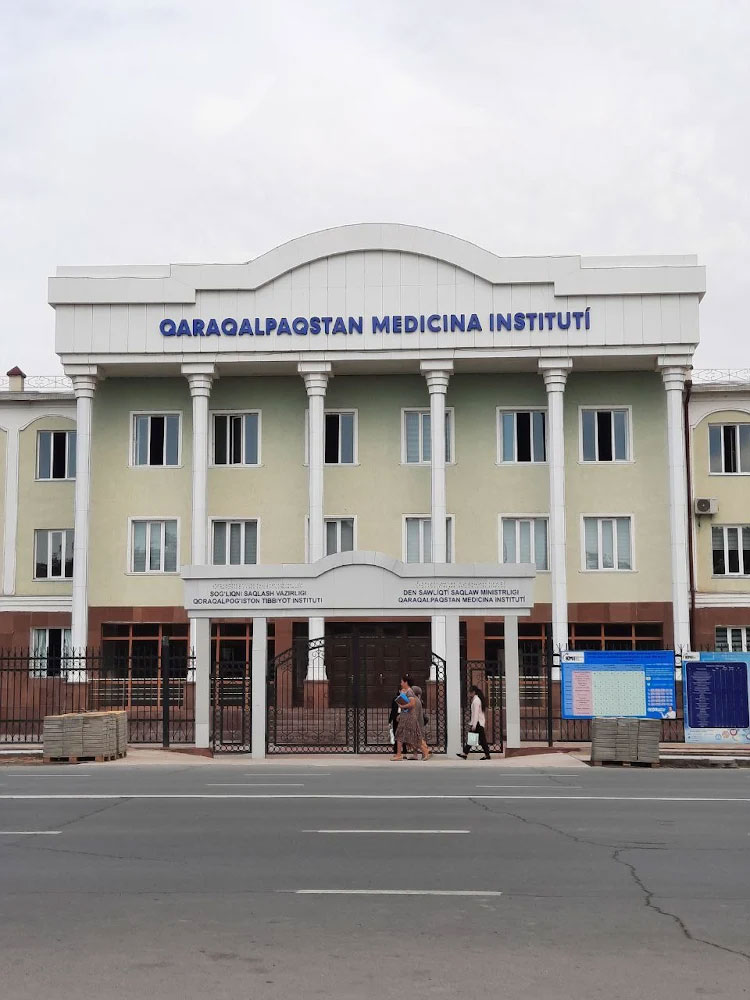
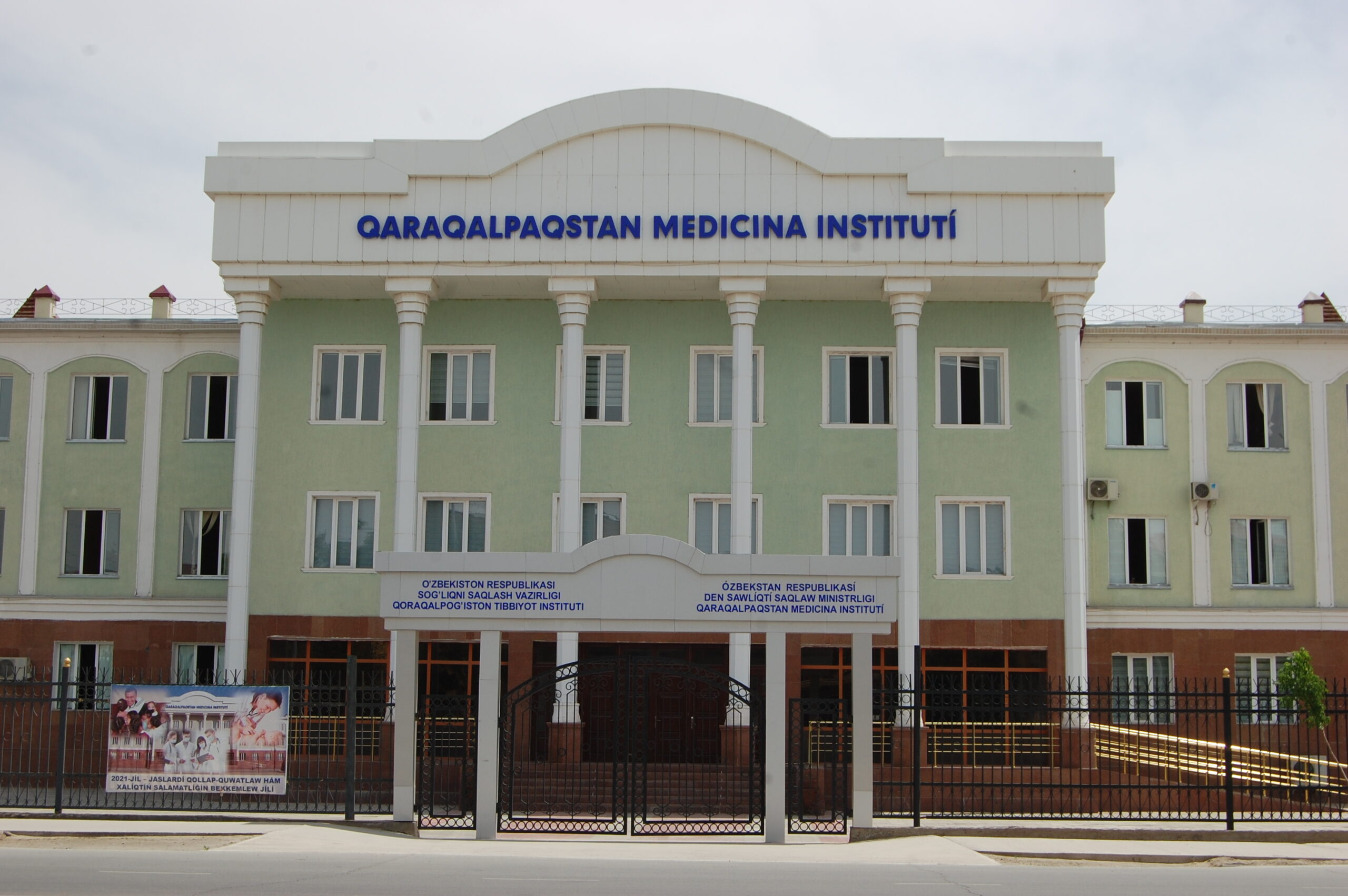
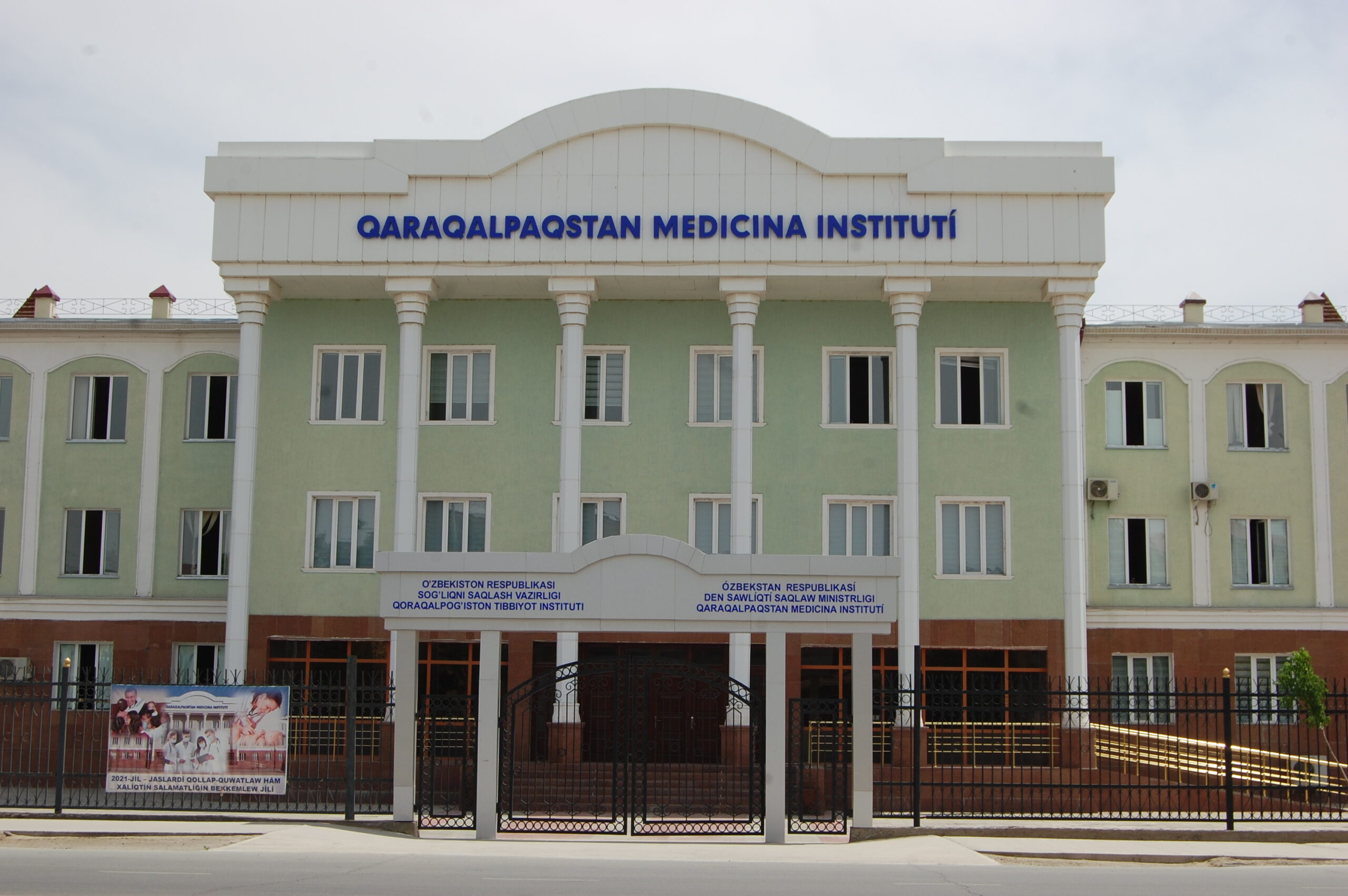
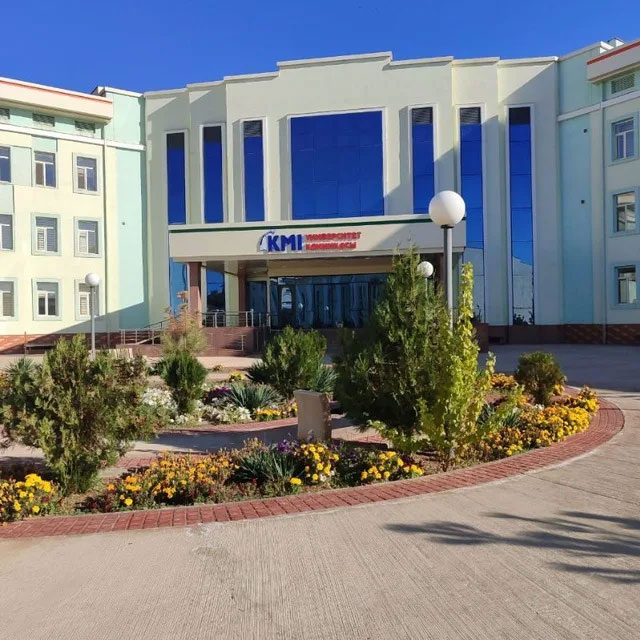
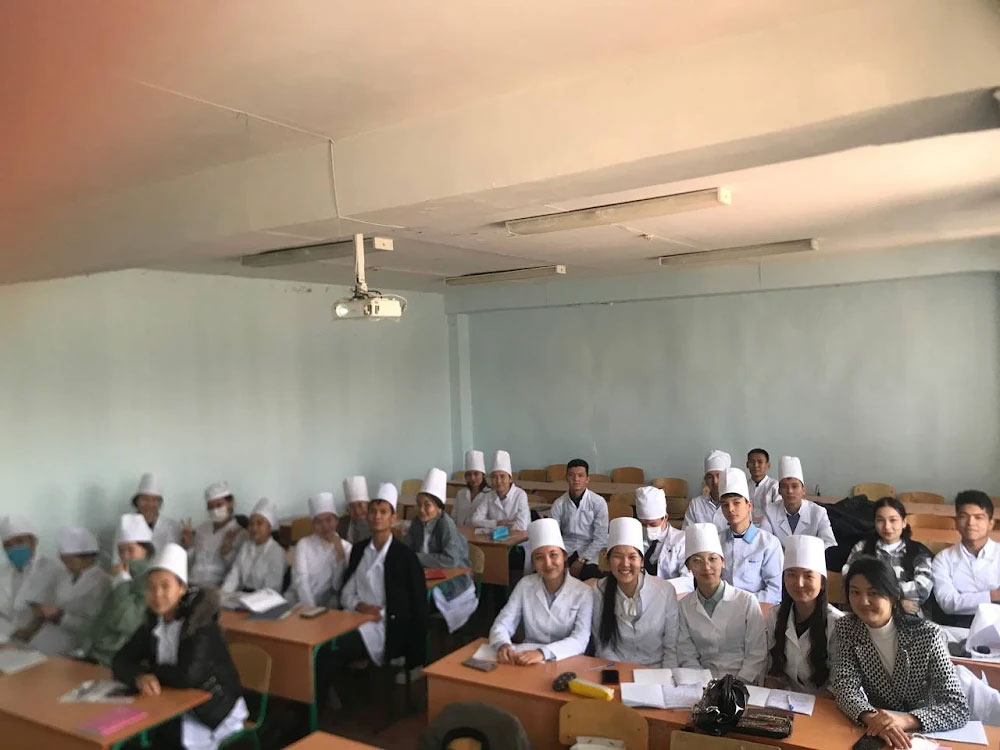
Medical Institute of Karakalpakstan (KMI)
An Overview of University
| University Type : | Public (State-Funded Government) — Ministry of Health, Uzbekistan |
| Established : | 1991 — reorganised as standalone institution by Presidential Decree in 2020 |
| Heritage : | 35+ years of continuous medical education; formerly a branch of Tashkent Pediatric Medical Institute |
| Medium of Course : | English (full MBBS curriculum) + Karakalpak / Uzbek (clinical practice) |
| Annual Tuition Fee : | $3,200 USD per year (consistent across all 6 years) |
| Annual Hostel Fee : | $600 USD per year (all 6 years) — on-campus; 24/7 security; Wi-Fi |
| Other Expenses/Year : | $500 USD (Insurance + Visa Extension + Misc.) |
| Total Per Year : | $4,300 USD — same for every year |
| Total 6-Year Cost : | $25,800 USD (~₹21–23 Lakh at current rates) |
| Course Duration : | 6 years (5 years academic study + 1 year internship) |
| Degree Awarded : | Doctor of General Medicine (MBBS equivalent) |
| NMC Recognition : | Yes — NMC, WHO, FAIMER, WDOMS & ECFMG recognised; FMGE / NExT eligible |
| Clinical Entry : | Year 2 — among the earliest clinical starts globally |
| Clinical Facilities : | University hospital + 20+ affiliated hospitals and medical institutions |
| Indian Food : | Yes — Indian mess on campus; vegetarian & non-vegetarian; from Day 1 |
| Visa Requirement : | HIV test certificate required for Uzbekistan student visa |
| Academic Session : | September only — single annual intake; apply by July–August |
MBBS for Indian Students — 2026 Complete Guide
Why the Medical Institute of Karakalpakstan Stands Apart in Uzbekistan
Uzbekistan has rapidly become one of the most sought-after MBBS-abroad destinations for Indian students. NMC-approved universities, affordable fee structures, an English-medium curriculum, a safe environment, and a cost of living among the lowest of any MBBS destination globally — these are the hallmarks of Uzbekistan's medical education landscape. Within this landscape, the Medical Institute of Karakalpakstan — KMI — has earned a distinctive and growing reputation among serious MBBS candidates.
Located in Nukus, the capital of the Republic of Karakalpakstan in western Uzbekistan, KMI is a state-funded government university rooted in a medical education heritage stretching back to 1991. Formally reorganised in 2020 by Presidential Decree as a standalone institution, it carries forward over three decades of clinical and academic experience. It is recognised by the National Medical Commission (NMC) of India, the World Health Organization (WHO), FAIMER, and listed in the World Directory of Medical Schools (WDOMS) and ECFMG — the full suite of recognitions required for Indian graduates to sit FMGE / NExT and practise medicine in India.
For Indian students, KMI offers a combination that stands out clearly: clinical rotations beginning from Year 2 — earlier than most NMC-approved universities globally — Indian food available on campus from Day 1, a fully transparent total cost of $4,300 USD per year (~₹21–23 Lakh over 6 years), and a university hospital supplemented by 20+ affiliated clinical institutions. This guide provides the complete picture: fees, curriculum, admission, life in Nukus, honest comparison, and exactly what to do to secure your seat for the 2026 September intake.
KMI at a Glance — Key Facts
| Factor | Details |
|---|---|
| University Full Name | Medical Institute of Karakalpakstan (KMI) |
| Location | Nukus, Republic of Karakalpakstan, Uzbekistan (Western Uzbekistan) |
| Established | 1991 — reorganised as standalone institution by Presidential Decree in 2020; 35+ years of medical education heritage |
| Degree Awarded | Doctor of General Medicine (equivalent to MBBS) |
| Course Duration | 6 years (5 years academic study + 1 year internship) |
| Medium of Instruction | English (full MBBS curriculum) + Karakalpak / Uzbek (clinical practice) |
| NMC Recognition | Yes — NMC, WHO, FAIMER, WDOMS & ECFMG recognised; eligible for FMGE / NExT |
| Clinical Entry | Year 2 — among the earliest clinical starts globally |
| Clinical Facilities | University hospital + 20+ affiliated hospitals and medical institutions |
| Indian Food on Campus | Yes — vegetarian and non-vegetarian; Indian chefs; available from Day 1 |
| Annual Tuition Fee | $3,200 USD per year (consistent across all 6 years) |
| Hostel Fee | $600 USD per year (all 6 years) — on-campus; shared room; Wi-Fi; 24/7 security |
| Other Expenses | $500 USD per year (Insurance + Visa Extension + Miscellaneous) |
| Total Per Year | $4,300 USD per year (all 6 years) |
| Total 6-Year Cost | $25,800 USD (approx. ₹21–23 Lakh at current rates) |
| Visa Requirement | HIV test certificate required for Uzbekistan student visa |
| Academic Session | September only — single annual intake; apply by July–August |
A University Built for Medicine — The KMI Story
The Medical Institute of Karakalpakstan traces its origins to 1991, when it was established by the Cabinet of Ministers of the Republic of Uzbekistan as a branch of the Tashkent Pediatric Medical Institute — one of Uzbekistan's most established medical institutions. For over three decades, this institute served as the primary medical education centre for the Karakalpakstan region and the broader Aral Sea area, training generations of doctors who served local and regional communities.
In 2020, recognising the institute's strategic importance, the President of Uzbekistan issued a decree formally reorganising it as a fully standalone institution — the Medical Institute of Karakalpakstan — with its own mandate, governance structure, and expanded programmes. This reorganisation was an elevation of an institution that had already spent 30 years building its academic and clinical infrastructure. Today, KMI is a state-funded public university operating under the Ministry of Health and Ministry of Science & Higher Education of Uzbekistan.
KMI offers programmes in General Medicine, Dentistry, Pharmacy, Nursing, and related medical disciplines. Its English-medium MBBS programme for international students is delivered at the same academic standard as the Karakalpak-medium programme — same subjects, same faculty, same clinical rotations, different language of instruction. The paediatric medicine heritage of the institute's founding in the Tashkent Pediatric Medical Institute gives KMI a particularly strong clinical emphasis in paediatrics that shapes its broader teaching culture.
Nukus — A Focused, Affordable and Distinctive Student City
Nukus is the capital of the Republic of Karakalpakstan — a modern city of approximately 350,000 people in western Uzbekistan. It is large enough to offer full urban infrastructure and amenities, yet compact and manageable in a way that large metropolitan cities are not. As the region's administrative and academic capital, Nukus is a well-governed, stable, and safe city with a genuine university culture. Public transport is reliable and inexpensive. Shopping, dining, and daily essentials are all available at prices far below Indian city standards.
Nukus is home to the I.V. Savitsky State Museum of Arts — often called the 'Louvre of the Steppe' — housing one of the world's most remarkable collections of Soviet-era avant-garde art. Saved secretly during the Soviet period, the Savitsky collection is internationally recognised as one of the cultural treasures of Central Asia. For students spending six years in Nukus, it is a reminder that this compact city carries cultural depth that belies its size.
- Extremely low cost of living — among the most affordable student cities of any MBBS destination globally; food, transport, and daily expenses are minimal
- On-campus hostel at $600 USD/year — one of the most affordable student accommodations at any NMC-approved university
- Indian food on campus from Day 1 — prepared by Indian chefs; vegetarian and non-vegetarian options; no self-catering arrangement required
- Safe, stable city — well-governed; KMI is one of the city's major institutions; international students are a recognised and respected part of the community
- I.V. Savitsky Museum — the 'Louvre of the Steppe'; one of the world's great collections of Soviet avant-garde art
- Aral Sea public health context — unique academic environment intersecting with real-world environmental medicine and community health challenges
- Continental climate — hot summers similar to Rajasthan/Gujarat; winters milder than northern Russia; Indian students adapt quickly
Clinical Training at KMI — Year 2 Start, University Hospital + 20+ Affiliates
KMI operates its own university hospital and maintains partnerships with over 20 hospitals and medical institutions in the Nukus region and beyond. This multi-institution clinical model gives students access to a broad and diverse patient base, covering conditions from routine primary care to complex cases specific to the Central Asian region. Clinical rotations at KMI begin from Year 2 onwards — one of the earliest clinical entry points among NMC-approved MBBS universities globally. This means students spend four full years in clinical settings.
All major clinical disciplines are covered across Years 2–6: Internal Medicine, Surgery, Obstetrics and Gynaecology, Paediatrics, Neurology, Psychiatry, ENT, Ophthalmology, Dermatology, Infectious Diseases, and more. A strong paediatric medicine emphasis — inherited from the institute's founding connection to the Tashkent Pediatric Medical Institute — gives KMI's clinical training a distinctive depth in paediatric care that many comparable universities cannot match.
- Clinical rotations begin from Year 2 — earlier than the majority of NMC-approved international medical universities
- Four full years of clinical exposure before graduation — directly strengthening applied clinical reasoning for FMGE / NExT
- University hospital + 20+ affiliated hospitals and medical institutions — broader patient exposure than single-hospital models
- Strong paediatric medicine heritage — rooted in the Tashkent Pediatric Medical Institute tradition
- Modern simulation centres and well-equipped laboratories complement hospital-based learning
- OSCE-format practical examinations throughout the programme — aligned with international licensing standards
- Year 6 comprehensive internship — all-department rotations, OSCE examinations, and final state assessments
Course Structure & Curriculum at KMI — Year by Year
KMI's General Medicine programme follows the 6-year NMC-compliant curriculum (5 years academic study + 1 year internship), meeting all requirements under NMC's Foreign Medical Graduate Licentiate (FMGL) Regulations 2021, including the English-medium instruction mandate. The curriculum is delivered at the same academic standard as the Karakalpak-medium programme — same subjects, same faculty, same clinical expectations.
| Year | Phase | Subjects / Focus Areas |
|---|---|---|
| Year 1 | Pre-Clinical | Anatomy, Histology, Biochemistry, Biophysics, Latin, Karakalpak / Uzbek Language (Beginner) |
| Year 2 | Pre-Clinical + Clinical Entry | Physiology, Microbiology, Pathological Anatomy, Language (Intermediate) — Clinical rotations begin |
| Year 3 | Para-Clinical | Pathophysiology, Pharmacology, Propedeutics of Internal Medicine, Language (Clinical) |
| Year 4 | Clinical | Internal Medicine, Surgery, Paediatrics, Neurology, Psychiatry — Full hospital rotations |
| Year 5 | Clinical | Obstetrics & Gynaecology, ENT, Ophthalmology, Infectious Diseases, Oncology, Dermatology |
| Year 6 | Internship | All-department rotations, OSCE Examinations, Final State Examinations, Clinical Internship |
Pre-Clinical Year (1) — Foundation Building
Year 1 establishes the foundational medical sciences: Anatomy, Physiology, Biochemistry, Histology, and Biophysics — taught in depth with well-equipped dissection labs and practical sessions integral to learning. Karakalpak and/or Uzbek language training begins from Day 1. This early language investment pays directly in clinical years when patients and hospital staff communicate in local languages.
Pre-Clinical + Clinical Entry (Year 2) — The Distinctive Early Hospital Start
Year 2 at KMI is distinctive: while continuing pre-clinical subjects including Physiology, Microbiology, and Pathological Anatomy, students also begin their first clinical rotations. This unusually early entry into hospital-based learning gives KMI graduates a head start in applied clinical experience compared to peers at institutions where hospital work begins in Year 3 or 4 — building a foundation of patient contact that compounds in value across all subsequent years.
Para-Clinical Year (3) — The FMGE-Critical Year
Year 3 is the most strategically important year for FMGE / NExT performance. Pathology, Pharmacology, and Propedeutics of Internal Medicine carry the heaviest examination weightage. At KMI, these subjects are taught with full depth and are reinforced by the clinical exposure already underway from Year 2 — meaning students encounter real patient presentations that give theoretical subjects immediate practical context.
Clinical Years (4–6) — Full Hospital Immersion
From Year 4, students are fully embedded in clinical rotations across KMI's university hospital and affiliated institutions. All major clinical disciplines are covered over Years 4 and 5. Year 6 is a comprehensive internship covering all departments, OSCE-format practical examinations, and final state assessments. Students who invested in language learning during Years 1–3 participate fully in ward rounds, patient consultations, and clinical discussions — the foundation of genuinely confident clinical practice.
Complete Fee Structure — Year by Year (in US Dollars)
KMI's fee structure is transparent and consistent. All fees are denominated in US Dollars (USD). Three components — tuition, hostel, and other expenses — are consistent across all 6 years. Total: $4,300 USD per year, identical for every year of the programme.
| Year | Tuition (USD) | Hostel (USD) | Other Exp. (USD) | Total/Year (USD) |
|---|---|---|---|---|
| Year 1 | $3,200 | $600 | $500 | $4,300 |
| Year 2 | $3,200 | $600 | $500 | $4,300 |
| Year 3 | $3,200 | $600 | $500 | $4,300 |
| Year 4 | $3,200 | $600 | $500 | $4,300 |
| Year 5 | $3,200 | $600 | $500 | $4,300 |
| Year 6 | $3,200 | $600 | $500 | $4,300 |
| TOTAL | $19,200 | $3,600 | $3,000 | $25,800 USD |
What the Fee Includes
- Tuition fees — $3,200 USD per year, fixed and consistent across all 6 years
- On-campus hostel accommodation — $600 USD per year; shared room with Wi-Fi, common kitchen, laundry, 24/7 security
- Medical and health insurance — mandatory for all international students (included in other expenses)
- Annual student visa extension fees — required every year in Uzbekistan (included in other expenses)
- Miscellaneous university administrative charges — included within the $500 USD other expenses
What the Fee Does NOT Include
Personal expenses (mobile, clothing, entertainment, dining outside campus), flight tickets to/from India, books and study materials (approximately ₹15,000–25,000 per year), Indian mess charges if opted (available on campus, optional), and FMGE / NExT preparation resources on return to India. Nukus's extremely low cost of living keeps personal expenses well below comparable MBBS destinations.
KMI vs Other NMC-Approved Universities Abroad — Honest Comparison
| Factor | Medical Institute of Karakalpakstan | Typical NMC-Approved Abroad University |
|---|---|---|
| Heritage | 1991 foundation; 35+ years medical education history; elevated by Presidential Decree 2020 | Varies; many recently established programmes |
| Clinical Entry | Year 2 — among the earliest clinical starts globally; four full years of hospital exposure | Typically Year 3 or 4 at most institutions |
| NMC Recognition | NMC, WHO, FAIMER, WDOMS & ECFMG — full recognition suite | Varies; verify each institution individually |
| Annual Tuition | $3,200 USD/year — fixed all 6 years | $3,500–$8,000 USD (wide range) |
| Hostel | On-campus; $600 USD/year; 24/7 security; Wi-Fi; shared kitchen | On or off-campus; quality and rates vary |
| Total 6-Year Cost | $25,800 USD — fully transparent | $28,000–$60,000 USD (varies greatly) |
| Hospital Network | University hospital + 20+ affiliated institutions | Varies; some only 1–2 affiliated hospitals |
| Living Cost | Nukus — among the lowest of any MBBS city globally | Varies; major cities significantly more expensive |
| Indian Food | Available on campus from Day 1; Indian chefs; veg & non-veg | Varies; often self-catering arrangements only |
Eligibility & Admission Process for KMI
Eligibility Criteria
- Cleared NEET (mandatory under NMC rules — no exceptions for any foreign medical university)
- Class 12 with Physics, Chemistry, and Biology — minimum 50% aggregate in PCB (40% for SC/ST/OBC)
- Minimum age 17 years on or before 31st December of the year of admission
- Valid Indian passport
Step-by-Step Admission Process
- NEET Qualification: Confirm your NEET scorecard. This is the mandatory starting point — no application proceeds without it.
- Application Submission: Submit Class 10 and 12 marksheets, NEET scorecard, and passport copy to KMI's admissions office via MBBSDirect.com.
- Admission Letter: KMI reviews the application and issues an official admission letter confirming acceptance.
- Invitation Letter: KMI issues the official invitation letter required for the Uzbekistan student visa application.
- First-Year Fee Payment: Pay the first-year fees ($4,300 USD total) to KMI's official account. Retain all payment receipts.
- Student Visa Application: Apply at the Uzbekistan Embassy / Consulate in India with the invitation letter, academic documents, medical certificate, HIV test certificate, vaccination record, and passport.
- Travel & Arrival: KMI assists with airport pickup and registration. Academic session begins in September.
Documents Required
- Class 10 Marksheet & Certificate (attested / apostilled)
- Class 12 Marksheet & Certificate (attested / apostilled)
- NEET Score Card (original + copies)
- Valid Indian Passport (minimum 1.5 years validity from travel date)
- 10 Passport-size photographs
- Birth Certificate (attested)
- Medical Fitness Certificate (from a registered doctor)
- HIV Test Certificate (required for Uzbekistan student visa)
- Vaccination Record
- Police Clearance Certificate
- Migration Certificate (from Class 12 board)
Life at KMI — Nukus, Hostel, Food & Student Community
Location — Nukus, Republic of Karakalpakstan
Nukus is a modern city of approximately 350,000 people — large enough to offer full urban infrastructure, yet compact and manageable in ways that large metropolitan cities are not. As the regional administrative and academic capital, Nukus is well-governed, stable, and safe. KMI is one of the city's major institutions, and international students are a recognised and respected part of the community. Nukus is not a tourist hotspot — it is a genuine working city where students focus, study, and build medical careers in a low-distraction, high-value environment. The I.V. Savitsky State Museum of Arts — the 'Louvre of the Steppe' — is a cultural landmark of international significance that gives the city unexpected depth.
Hostel — Secure On-Campus Accommodation
KMI provides on-campus hostel accommodation for international students at $600 USD per year — among the most affordable student accommodations available at any NMC-approved university globally. Rooms are shared (typically 2–3 students per room) with Wi-Fi, common kitchens, laundry facilities, and study areas. Male and female students are housed in separate hostel blocks. Security is maintained 24/7. Being on-campus means students walk to classrooms, labs, and the university hospital — eliminating commute costs and maximising study time.
Food — Indian Mess and Local Options
KMI provides Indian food on campus — both vegetarian and non-vegetarian options prepared by Indian chefs — a facility that Indian students consistently identify as one of their most valued aspects of life at KMI. The availability of familiar food from Day 1 significantly eases the transition for students arriving from India, removing a common source of stress during the early settling-in period. Local food in Nukus is extremely affordable, and most students develop comfortable routines combining campus and local dining.
Language — Karakalpak, Uzbek, and the Clinical Environment
KMI provides structured language training from Year 1. The core MBBS curriculum is in English, but clinical environments operate in Karakalpak and/or Uzbek. Students who invest in language learning from Year 1 report a dramatically better clinical experience from Year 2 onwards when rotations begin. Language training is a core academic component — not an optional extra — and KMI's curriculum is structured to support progressive language development throughout the programme.
Climate — Nukus Seasons
- Winter (November–February): −5°C to 5°C — cold but manageable; significantly milder than Russia's northern cities
- Spring / Autumn: 15°C to 25°C — pleasant and comfortable
- Summer (June–August): 35°C–40°C — hot and dry, similar to Rajasthan / Gujarat; Indian students adapt quickly
- Continental climate with four clear seasons; students from North India find the seasonal rhythm familiar
- KMI hostels are heated in winter and ventilated in summer — indoor conditions are comfortable year-round
Who Should Choose KMI?
✓ KMI is the right choice if:
- You want a state-funded government medical university with NMC, WHO, FAIMER, WDOMS, and ECFMG recognition — the full suite required for FMGE / NExT and international licensing
- You value early clinical training — KMI's rotations begin from Year 2, earlier than most NMC-approved universities globally, giving you four full years of hospital exposure
- Your budget supports $4,300 USD per year (approx. ₹21–23 Lakh over 6 years) — one of the lowest all-in annual costs at any NMC-recognised institution globally
- You want Indian food available on campus from Day 1 — prepared by Indian chefs, not a self-catering arrangement
- You want a fully transparent fee structure with no hidden institutional charges
- You prefer the low cost of living in Nukus, which keeps total financial burden well below MBBS destinations in major cities
- You are willing to invest in local language learning — Karakalpak/Uzbek is essential for clinical years from Year 2 onwards
- You understand FMGE / NExT requirements and want an early-start clinical model that builds genuine hospital-based competence
✗ Consider alternatives if:
- You specifically want to be in a larger, cosmopolitan city with a busy social environment — Nukus is a smaller, quieter, more focused city
- You require a February intake — KMI offers only the September intake; a dual-intake university may be more suitable
- You are not willing to invest in local language learning — clinical years will be more challenging without Karakalpak / Uzbek proficiency
- Seats are already full for the 2026 September intake — MBBSDirect.com can advise on alternatives or next-year options
Pre-Departure Checklist — Before You Fly to KMI, Nukus
Document / Administrative
- NEET scorecard (original + 3 copies)
- Official KMI invitation letter (original)
- Uzbekistan student visa stamped in passport
- Year 1 fee payment receipt ($4,300 USD)
- Class 10 & 12 certificates (attested originals)
- Passport validity: minimum 1.5 years from travel date
- Medical fitness certificate (from registered doctor)
- HIV test certificate (required for Uzbekistan visa)
- Vaccination record
- Police clearance certificate
Practical / Personal
- Warm clothing for winter + light summer clothing (hot summers; cold winters)
- Indian medicines and personal health supplies (3–6 months)
- Debit card with international ATM access + some USD for arrival
- Indian grocery staples for first few days (spices, lentils, rice)
- KMI student WhatsApp group joined (via MBBSDirect.com)
- Karakalpak / Uzbek language basics app downloaded and practised
- Flight booked with KMI arrival date confirmed
- Emergency contact list (family + KMI + Indian Embassy Tashkent)
- University registration documents printed and organised
The Bottom Line — Is KMI Right for You?
The Medical Institute of Karakalpakstan does not carry the name recognition of Samarkand or Tashkent. But for Indian students and families who look past the headline and examine the fundamentals — recognitions, clinical training model, cost structure, and campus support — KMI makes a compelling, and in several important ways exceptional, case.
The full recognition suite — NMC, WHO, FAIMER, WDOMS, and ECFMG — is the most comprehensive international validation available for a medical degree. The Year 2 clinical start means four years of hospital exposure, not three — and that extra year of genuine patient contact is directly reflected in FMGE / NExT performance. The $4,300 USD per year total cost, in a city where personal expenses are among the lowest of any MBBS destination anywhere in the world, means the complete financial picture over 6 years is genuinely unmatched among comparably recognised institutions. And Indian food on campus from Day 1 — not an arrangement students have to figure out themselves — is a practical advantage that makes the first year of transition meaningfully easier.
If you would like to apply to KMI or want to discuss whether it is the right fit for your specific situation, the team at MBBSDirect.com is here for an honest conversation. We will tell you if KMI is right for you — and if it is not, we will tell you that too.
www.mbbsdirect.com — Your trusted guide to MBBS abroad — honest advice, direct admissions, no hidden charges.