Student Helpline! +91 9717172071
  Apply Here



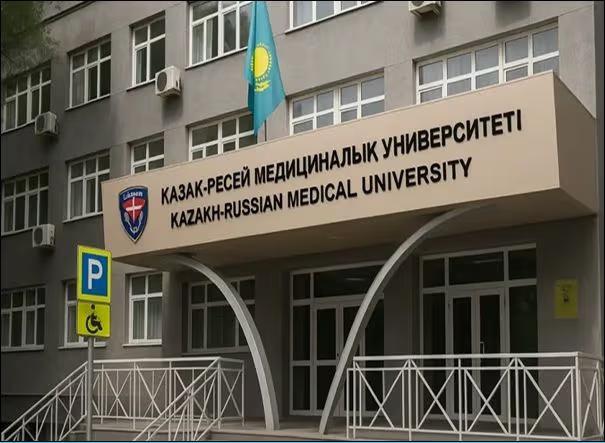
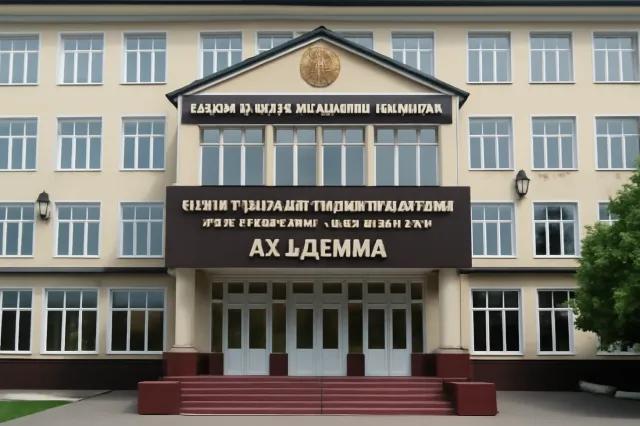
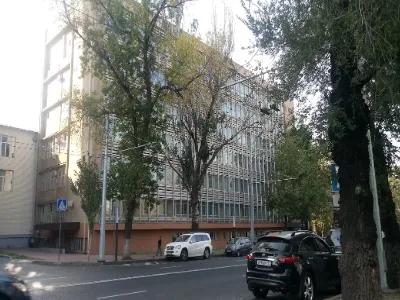
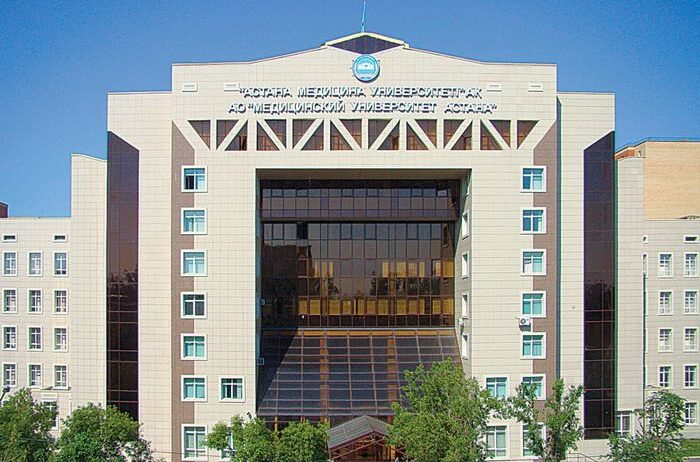
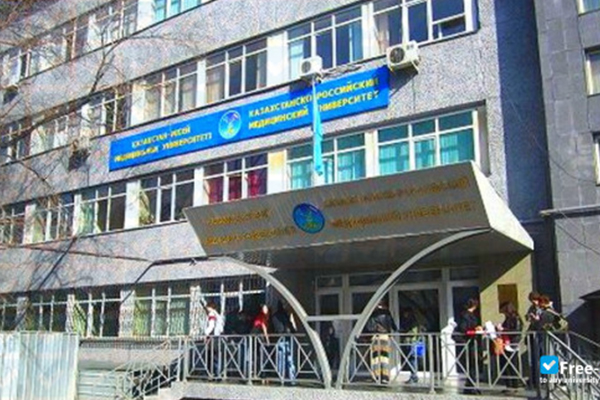
Kazakh Russian Medical University (KRMU)
Almaty, Kazakhstan — Kazakhstan's Oldest Private Medical University
An Overview of University
| University Full Name : | Kazakh Russian Medical University (KRMU) |
| Country : | Kazakhstan, Central Asia — stable, safe, student-friendly; NOT Russia (name reflects dual academic heritage) |
| Location : | Almaty, Kazakhstan — cultural & financial capital; at the foot of the Tian Shan Mountains; 'City of Apples' |
| Founded : | 1992 — the OLDEST PRIVATE medical university in Kazakhstan; 30+ years of continuous operation |
| Founder : | Dr. Mukhtar Aliyevich Aliyev — Academician of the Academy of Sciences of Kazakhstan; prominent Soviet-Kazakhstani surgeon |
| University Type : | Private medical university — exclusively focused on medical education; strong single-faculty clinical culture |
| WDOMS Listed Since : | 1998 — 26+ years of continuous international recognition; one of the earliest NMC-approved universities in Kazakhstan to achieve WDOMS listing |
| Academic Partnerships : | Sechenov University (Moscow, QS Medical Rank 51), Moscow State Medical University, Omsk State Medical Academy, Bashkir State Medical University, Federal Centre of Heart |
| Indian Faculty : | Yes — dedicated Indian faculty for FMGE/NExT coaching; integrated from Year 4; weekly MCQ sessions; FMGE previous-year pattern clinical case discussions |
| Youth Affairs Committee : | Dedicated institutional body specifically for Indian students — formal advisory support for academic, cultural & welfare needs |
| Medium of Course : | English (full curriculum for international students) — all lectures, textbooks, examinations |
| NMC Recognition : | Yes — NMC, WHO, FAIMER, ECFMG (USA) & GMC (UK) recognised; WDOMS listed; FMGE / NExT eligible; USMLE & PLAB eligible |
| Teaching Hospitals : | 17+ affiliated hospitals across Almaty; Regional Oncological Dispensary of Almaty; clinical exposure from Year 3 |
| Faculty : | 200+ lecturers — international scientists, prominent Kazakhstani doctors, and foreign medical experts |
| Students & Graduates : | 5,000+ students; Indian students largest cohort since 2005; 42+ countries; 8,000+ graduates in Kazakhstan, Russia, India, Germany, USA, UK, Middle East |
| Indian Mess : | Yes — Indian mess in hostel (veg & non-veg); Indian restaurants and grocery stores in Almaty city |
| Hostel Security : | Separate blocks for boys & girls; 24-hour security; electronic badge access; CCTV every floor; on-campus hospital |
| Annual Tuition Fee : | ₹4,14,000 (KZT 4,96,800) per year — fixed all 6 years; no annual escalation |
| Hostel Fee : | ₹50,000 (KZT 60,000) per year — on-campus; Indian mess included; separate boy/girl blocks |
| Other Expenses/Year : | ₹39,000 (KZT 46,800) — Insurance + Visa Extension + Misc. |
| Total Per Year : | ₹5,03,000 (KZT 6,03,600) per year — identical for all 6 years |
| Total 6-Year Cost : | ₹30,18,000 (~₹30 Lakh) / KZT 36,21,600 — fees in INR; no RUB/INR uncertainty |
| Admission Note : | Medical fitness certificate + HIV test report required for KRMU admission and Kazakhstan visa |
| Academic Session : | September each year (hostel opens from August 25) |
MBBS for Indian Students — 2026 Complete Guide
Why Kazakh Russian Medical University Stands Apart for Indian MBBS Students
Kazakhstan has several NMC-approved medical universities — but among all of them, Kazakh Russian Medical University holds a position that no other institution in the country can claim: it is the oldest private medical university in Kazakhstan, founded in 1992, with continuous operation for over 30 years, WDOMS listing since 1998, and a graduate footprint of 8,000+ physicians now practising in Kazakhstan, Russia, India, Germany, the USA, the UK, and the Middle East.
For Indian students specifically, KRMU offers a combination that is distinctive and practically compelling. It provides dedicated Indian faculty for FMGE / NExT coaching — a formal institutional programme, not an unofficial extra — with weekly MCQ sessions and FMGE previous-year pattern clinical case discussions from Year 4. It has a dedicated Youth Affairs Committee specifically for Indian students — a formal institutional body for academic, cultural, and welfare support. It maintains academic partnerships with Sechenov University (QS Medical Rank 51 globally) and Moscow State Medical University — connections that enrich its clinical and academic environment with the best of Russian medical tradition. It has 17+ affiliated hospitals in Almaty including the Regional Oncological Dispensary. And it has an Indian mess on campus.
All of this at a total 6-year cost of ₹30,18,000 (~₹30 Lakh) — with fees in Indian Rupees, eliminating the Ruble/INR exchange rate uncertainty that Russian university fees involve. Annual cost: ₹5,03,000 per year (KZT 6,03,600), identical for all 6 years.
KRMU at a Glance — Key Facts
| Factor | Details |
|---|---|
| University Full Name | Kazakh Russian Medical University (KRMU) |
| Country | Kazakhstan, Central Asia — stable, safe, student-friendly; NOT Russia |
| Location | Almaty, Kazakhstan — cultural & financial capital; at the foot of the Tian Shan Mountains; 'City of Apples' |
| Founded | 1992 — the OLDEST PRIVATE medical university in Kazakhstan; 30+ years of continuous operation |
| Founder | Dr. Mukhtar Aliyevich Aliyev — Academician of the Academy of Sciences of Kazakhstan; prominent Soviet-Kazakhstani surgeon |
| University Type | Private medical university — exclusively focused on medical education; single-faculty clinical culture |
| WDOMS Listed Since | 1998 — 26+ years of continuous international recognition; one of the earliest Kazakhstan universities to achieve WDOMS listing |
| Academic Partnerships | Sechenov University Moscow (QS Medical Rank 51 globally), Moscow State Medical University, Omsk State Medical Academy, Bashkir State Medical University, Federal Centre of Heart |
| Indian Faculty | Yes — dedicated Indian faculty for FMGE/NExT coaching; integrated from Year 4; weekly MCQ sessions; FMGE previous-year pattern clinical case discussions |
| Youth Affairs Committee | Dedicated institutional body specifically for Indian students — formal advisory support for academic, cultural & welfare needs |
| Degree Awarded | Doctor of General Medicine (equivalent to MBBS) |
| Course Duration | 6 years (5 years academic + 1 year internship) |
| Medium of Instruction | English (full curriculum for international students) — all lectures, textbooks, examinations |
| NMC Recognition | Yes — NMC, WHO, FAIMER, ECFMG (USA) & GMC (UK) recognised; WDOMS listed since 1998; FMGE / NExT eligible; USMLE & PLAB eligible |
| Teaching Hospitals | 17+ affiliated hospitals across Almaty; Regional Oncological Dispensary of Almaty; clinical exposure from Year 3 |
| Faculty | 200+ lecturers — international scientists, prominent Kazakhstani doctors, foreign medical experts |
| Students & Graduates | 5,000+ students; Indian students largest cohort since 2005; 42+ countries; 8,000+ graduates worldwide |
| Indian Mess | Yes — Indian mess in hostel (veg & non-veg); Indian restaurants and grocery stores throughout Almaty |
| Annual Tuition Fee | ₹4,14,000 (KZT 4,96,800) per year — fixed all 6 years; no annual escalation |
| Hostel Fee | ₹50,000 (KZT 60,000) per year — on-campus; Indian mess; separate boy/girl blocks; 24-hr security |
| Other Expenses | ₹39,000 (KZT 46,800) per year — Insurance + Visa Extension + Miscellaneous |
| Total Per Year | ₹5,03,000 (KZT 6,03,600) per year — identical for all 6 years |
| Total 6-Year Cost | ₹30,18,000 (~₹30 Lakh) / KZT 36,21,600 — fees in INR; no RUB/INR exchange rate uncertainty |
| Admission Note | Medical fitness certificate + HIV test report required for KRMU admission and Kazakhstan visa |
| Academic Session | September each year (hostel opens from August 25) |
30 Years of Building Kazakhstan's Medical Future — The KRMU Story
The history of Kazakh Russian Medical University begins in 1992 — the year Kazakhstan gained its independence from the Soviet Union. Dr. Mukhtar Aliyevich Aliyev — an academician of the Academy of Sciences of Kazakhstan and a prominent Soviet-Kazakhstani surgeon — founded the institution with a bold and specific vision: to create the first private medical university in newly independent Kazakhstan, built to international academic standards and open to students from across the world.
The university initially operated as the Kazakhstan Medical University. As its academic partnerships with Russian medical institutions deepened — particularly with leading Russian universities including Sechenov University and Moscow State Medical University — the institution was renamed Kazakh Russian Medical University, reflecting its dual academic heritage: grounded in the Kazakhstani medical context, enriched by the depth and tradition of Russian medical science.
By 1998 — just six years after founding — KRMU had achieved WDOMS listing: one of the earliest NMC-approved universities in Kazakhstan to be included in the World Directory of Medical Schools. This early recognition reflects the seriousness and rigour with which KRMU built its academic infrastructure. Over three decades, KRMU has graduated more than 8,000 physicians — doctors now serving in Kazakhstan, Russia, India, Germany, the USA, the UK, and the Middle East. The largest international cohort has consistently been Indian students, who have been the dominant international community at KRMU since 2005. This sustained Indian presence has shaped the institution's specific provisions: dedicated Indian faculty, a Youth Affairs Committee, an Indian mess, and a formal NExT / FMGE preparation programme.
The Almaty Advantage — Kazakhstan's Cultural Capital at the Tian Shan
KRMU is located in Almaty — Kazakhstan's largest city and undisputed cultural, financial, and educational capital, set at the foot of the Tian Shan Mountains at 700–900 metres elevation. Almaty means 'Father of Apples' or 'City of Apples' in Kazakh — the region is the genetic homeland of the domestic apple. Almaty was Kazakhstan's capital until 1997 and remains the country's most cosmopolitan, well-connected, and internationally recognised metropolis, with over 2.2 million people.
For Indian medical students, Almaty offers practical advantages that Russian MBBS cities typically cannot. Almaty winters reach −5°C to −15°C — substantially milder than the −15°C to −30°C winters of Russian Siberian and western Russian university cities. Almaty International Airport (IATA: ALA) has direct and connecting flights to India via Dubai, Istanbul, Delhi, and multiple hubs. The Indian Consulate is located in Almaty. Indian restaurants, South Asian grocery stores, and familiar food ingredients are readily available throughout the city. And the Tian Shan mountains — with the Medeu ice skating complex and Shymbulak ski resort both accessible within 30 minutes — create a natural environment that no Russian MBBS city can replicate.
- Kazakhstan's oldest private medical university — 30+ years of accumulated institutional experience; WDOMS listed since 1998; 8,000+ graduate alumni worldwide
- Dedicated Indian faculty for FMGE / NExT coaching — integrated from Year 4; weekly MCQ practice sessions; clinical case discussions aligned to FMGE previous-year patterns
- Youth Affairs Committee — a dedicated institutional body specifically supporting Indian students' cultural and academic needs; rare among MBBS abroad universities
- 17+ affiliated hospitals including Regional Oncological Dispensary Almaty — clinical exposure from Year 3 across a city of 2.2 million
- Academic partnerships: Sechenov University (QS Medical Rank 51 globally), Moscow State Medical University, Omsk State Medical Academy — Russian medical tradition brought to Almaty
- Almaty International Airport (ALA) — direct and connecting flights from India; accessible routing via multiple hubs
- Warmer winters than Russian MBBS cities — −5°C to −15°C vs −15°C to −30°C in Russia; significantly easier cold-weather adaptation
- Indian mess on campus + Indian restaurants and grocery stores throughout Almaty
- INR-denominated fees — ₹5,03,000/year (KZT 6,03,600); ₹30 Lakh total; complete budget clarity without Ruble exchange rate uncertainty
Clinical Training — 17+ Hospitals, Dedicated NExT Coaching & Russian Medical Partnerships
KRMU's clinical training programme combines three elements that together create a distinctively strong preparation environment for Indian students. First, a network of 17+ affiliated teaching hospitals across Almaty — including the Regional Oncological Dispensary of Almaty, one of southern Kazakhstan's premier specialty medical facilities providing specialised cancer treatment and surgical intervention — gives students broad clinical exposure from Year 3 across a city of 2.2 million. Second, academic partnerships with Sechenov University Russia (QS Medical Rank 51 globally), Moscow State Medical University, Omsk State Medical Academy, and the Federal Centre of Heart enrich KRMU's clinical and academic culture with the depth of Russian medical science tradition. Third, dedicated Indian faculty who provide integrated FMGE / NExT preparation from Year 4 onwards ensure that clinical training is explicitly connected to the licensing examination that determines whether six years of study translate into a medical career in India.
- 17+ affiliated hospitals across Almaty; clinical exposure from Year 3
- Regional Oncological Dispensary of Almaty — one of southern Kazakhstan's premier specialty cancer treatment and surgical facilities
- City of 2.2 million — high patient inflow; diverse clinical case presentation across Kazakhstan and Central Asia
- Academic partnerships: Sechenov University, Moscow State Medical University, Omsk State Medical Academy, Bashkir State Medical University, Federal Centre of Heart
- Dedicated Indian faculty FMGE / NExT coaching — integrated from Year 4; weekly MCQ sessions; FMGE previous-year pattern clinical case discussions
- Departmental museums — physical specimen collections helping students visualise and deepen medical conceptual understanding
- Advanced laboratories, simulation centres, and digital classrooms — modern infrastructure for pre-clinical and para-clinical skill development
- OSCE-style practical examinations — aligned with FMGE / NExT clinical competency requirements
Course Structure & Curriculum at KRMU — Year by Year
KRMU's General Medicine programme follows the 6-year structured curriculum (5 years academic + 1 year internship) aligned with NMC requirements. The English-medium programme is conducted entirely in English — all lectures, textbooks, and examinations. The curriculum is explicitly designed to align with FMGE / NExT examination requirements, with NExT preparation formally integrated from Year 4. KRMU's academic links with Sechenov University and Moscow State Medical University enrich the curriculum with the depth of Russian medical science tradition that purely Kazakhstani institutions cannot draw on.
| Year | Phase | Subjects / Focus Areas |
|---|---|---|
| Year 1 | Pre-Clinical | Anatomy, Histology, Biochemistry, Biophysics, Latin, Kazakh/Russian Language (Beginner) — Departmental museums and modern labs from Day 1 |
| Year 2 | Pre-Clinical | Physiology, Microbiology, Pathological Anatomy, Language (Intermediate) — 200+ international faculty; Sechenov/Moscow academic links |
| Year 3 | Para-Clinical | Pathophysiology, Pharmacology, Propedeutics of Internal Medicine, Language (Clinical) — Clinical exposure begins; Indian faculty FMGE/NExT coaching starts |
| Year 4 | Clinical | Internal Medicine, Surgery, Paediatrics, Neurology, Psychiatry — Full rotations across 17+ hospitals; NExT preparation intensifies; weekly MCQ sessions |
| Year 5 | Clinical | Obstetrics & Gynaecology, ENT, Ophthalmology, Infectious Diseases, Oncology, Dermatology — Regional Oncological Dispensary exposure |
| Year 6 | Internship | All-department rotations, OSCE Exams, Final State Examinations; weekly MCQ sessions and FMGE revision programme |
Pre-Clinical Years (1–2) — Foundation Building at Kazakhstan's Oldest Private Medical University
The first two years at KRMU establish the foundational sciences — Anatomy, Physiology, Biochemistry, Histology, and Microbiology — within the specific academic culture of an institution that has been teaching these subjects in Almaty for over 30 years. KRMU's departmental museums — physical specimen collections that help students visualise and deeply understand medical concepts — are a distinctive teaching resource. The faculty of 200+ lecturers includes international scientists, renowned Kazakhstani doctors, and foreign medical experts. Russian language training begins from Year 1 and is particularly important for clinical hospital environments from Year 3.
Para-Clinical Year (3) — The FMGE-Critical Year and the Start of Clinical Exposure
Year 3 is strategically the most important year for FMGE / NExT preparation. Pathology, Pharmacology, and Propedeutics of Internal Medicine carry the heaviest examination weightage. At KRMU, Year 3 marks the beginning of both para-clinical depth and clinical hospital exposure — students begin rotating through affiliated hospitals at the same time as building their para-clinical theoretical foundation. The Indian faculty NExT coaching programme formally connects Year 3's para-clinical content to the licensing exam from the earliest stages.
Clinical Years (4–6) — 17+ Hospitals, Russian Medical Partnership Depth & Dedicated NExT Preparation
From Year 4, students move into KRMU's network of 17+ affiliated hospitals for structured clinical rotations, while simultaneously beginning the formal Indian-faculty NExT preparation programme. Year 5 includes exposure to the Regional Oncological Dispensary — a specialist environment for clinical experience in cancer diagnosis and treatment. Year 6 is the comprehensive internship year — all-department rotations, OSCE examinations, the final state examination, and revision sessions driven by the NExT preparation faculty.
Complete Fee Structure — Year by Year (in INR and KZT)
KRMU's fee structure is transparent and fully defined in Indian Rupees — eliminating the exchange-rate uncertainty that Ruble-denominated Russian university fees create. Three components are fixed for all 6 years. Annual total: ₹5,03,000 (KZT 6,03,600) — identical every year. 6-year total: ₹30,18,000 (~₹30 Lakh) / KZT 36,21,600.
| Year | Tuition (₹) | Tuition (KZT) | Hostel (₹) | Other (₹) | Total/Year (₹) |
|---|---|---|---|---|---|
| Year 1 | 4,14,000 | 4,96,800 | 50,000 | 39,000 | 5,03,000 |
| Year 2 | 4,14,000 | 4,96,800 | 50,000 | 39,000 | 5,03,000 |
| Year 3 | 4,14,000 | 4,96,800 | 50,000 | 39,000 | 5,03,000 |
| Year 4 | 4,14,000 | 4,96,800 | 50,000 | 39,000 | 5,03,000 |
| Year 5 | 4,14,000 | 4,96,800 | 50,000 | 39,000 | 5,03,000 |
| Year 6 | 4,14,000 | 4,96,800 | 50,000 | 39,000 | 5,03,000 |
| TOTAL | 24,84,000 | KZT 29,80,800 | 3,00,000 | 2,34,000 | 30,18,000 (~₹30 Lakh) |
KZT Equivalent (at INR 1 = KZT 1.20): Annual KZT 6,03,600 | Total 6-Year KZT 36,21,600 | INR Total: ₹30,18,000 (~₹30 Lakh)
What the Fee Includes
- Tuition fees — ₹4,14,000 (KZT 4,96,800) per year; fixed for all 6 years; no annual escalation
- On-campus hostel — ₹50,000 (KZT 60,000) per year; separate blocks for boys and girls; 24-hour security; electronic badge access; CCTV every floor; Wi-Fi; laundry; on-campus hospital
- Indian mess facility — Indian food (veg & non-veg) in hostel; home-style cuisine on campus daily
- Integrated NExT preparation coaching — Indian faculty; weekly MCQ sessions from Year 4; FMGE previous-year pattern case discussions
- Medical and health insurance — mandatory for all international students (included in other expenses)
- Visa extension/renewal charges — required annually; included in other expenses
- Miscellaneous administrative and student services charges — all within the ₹39,000 annual other expenses
KRMU vs Typical NMC-Approved Russian Universities — Honest Comparison
| Factor | Kazakh Russian Medical University (KRMU) | Typical NMC-Approved Russian Medical University |
|---|---|---|
| Founded | 1992 — oldest private medical university in Kazakhstan; 30+ years; WDOMS since 1998 | Most Russian MBBS universities are public/government; private model with focused clinical culture is different |
| FMGE/NExT Coaching | Dedicated Indian faculty; integrated NExT preparation from Year 4; weekly MCQ sessions; FMGE previous-year clinical case discussions | Most Russian MBBS universities do not provide dedicated Indian faculty NExT preparation programmes |
| Academic Partnerships | Sechenov University Moscow, Moscow State Medical University, Omsk State Medical Academy, Bashkir State Medical University, Federal Centre of Heart | Varies; many regional Russian universities have limited international partnerships |
| Teaching Hospitals | 17+ affiliated hospitals; Regional Oncological Dispensary Almaty; clinical exposure from Year 3 | Varies; many have fewer hospital affiliates or later clinical exposure |
| Youth Affairs Committee | Dedicated institutional body specifically for Indian students — formal advisory support for academic, cultural & welfare needs | No comparable dedicated Indian student support committee at most Russian MBBS universities |
| NMC Recognition | NMC, WHO, FAIMER, ECFMG & GMC (UK) — WDOMS since 1998 | Varies; verify each individually |
| Fee Currency | INR-denominated (₹5,03,000/year) — complete budget clarity; no exchange rate uncertainty | Ruble-denominated — subject to RUB/INR exchange rate fluctuations |
| Indian Mess | Yes — Indian mess in hostel; Indian food on and off campus | Varies; not universally available at Russian MBBS universities |
| Total 6-Year Cost | ₹30,18,000 (~₹30 Lakh) / KZT 36,21,600 — one of the most affordable INR-denominated NMC options | Varies widely in RUB; INR equivalent subject to exchange rate movements |
| Graduate Footprint | 8,000+ graduates in Kazakhstan, Russia, India, Germany, USA, UK, Middle East — 30+ years of graduate deployment | Varies; newer universities have smaller alumni networks |
Eligibility & Admission Process for KRMU
Eligibility Criteria
- Cleared NEET (mandatory under NMC rules — no exceptions for any foreign medical university)
- Class 12 with Physics, Chemistry, and Biology — minimum 50% aggregate in PCB (40% for SC/ST/OBC)
- Minimum age 17 years on or before 31st December of the year of admission
- Valid Indian passport (minimum 18 months validity recommended)
- Medical fitness certificate and HIV test report — required for KRMU admission and Kazakhstan visa; must be attested by Ministry of External Affairs and Kazakhstan Embassy
Step-by-Step Admission Process
- NEET Qualification: Confirm your NEET scorecard. No application can proceed without a valid NEET qualification.
- Application Submission: Submit Class 10 and 12 marksheets, NEET scorecard, passport copy, and medical fitness certificate to KRMU via MBBSDirect.com. The process is straightforward and efficient.
- Admission Letter: KRMU reviews the application and issues an official admission letter upon verification.
- Invitation Letter: Following the admission letter, KRMU issues an official invitation letter required for the Kazakhstan student visa.
- Fee Payment: Pay Year 1 fees (₹5,03,000 / KZT 6,03,600) to KRMU's official account and retain all payment receipts.
- Kazakhstan Student Visa: Apply at the Kazakhstan Embassy in India with the invitation letter, academic documents, medical certificate, HIV test report, and passport. Kazakhstan visa processing is generally efficient.
- Travel & Arrival: Fly to Almaty International Airport (ALA). KRMU orientation programme receives new students. Hostel opens from August 25; classes begin in September.
Documents Required
- Class 10 Marksheet & Certificate (attested / apostilled)
- Class 12 Marksheet & Certificate (attested / apostilled)
- NEET Score Card (original + copies)
- Valid Indian Passport (minimum 18 months validity)
- 10 Passport-size photographs
- Birth Certificate (attested)
- Medical Fitness Certificate + HIV test report (attested by Ministry of External Affairs and Kazakhstan Embassy)
- Police Clearance Certificate
- Migration Certificate (from Class 12 board)
Life at KRMU — Almaty, Hostel, Food & The Indian Student Community
Location — Almaty, Kazakhstan
KRMU is located in Almaty — Kazakhstan's largest city, with a population of over 2.2 million, set at the foot of the spectacular Tian Shan mountains in southeastern Kazakhstan. The city is wide and green — wide tree-lined avenues, abundant parks (80 sqm of green space per resident), clean mountain air, and the snow-capped Tian Shan rising dramatically to the south. Known as the 'garden city' and the 'City of Apples,' Almaty is Kazakhstan's scientific, cultural, historical, financial, and industrial centre. The Zelyony Bazaar — one of Central Asia's most spectacular food markets — the Abay Opera House, and Panfilov Park with its earthquake-surviving Zenkov Cathedral are all within easy city reach.
Hostel — On-Campus Accommodation with Indian Mess
KRMU provides on-campus hostel accommodation at ₹50,000 (KZT 60,000) per year — consistent across all 6 years. Separate hostel blocks for male and female students with 24-hour security, electronic badge access (swipe-card entry), CCTV monitoring on every floor, and security personnel on duty from 23:00 to 06:00. Facilities include Wi-Fi throughout, laundry, a college canteen and mess in each block, a hospital on campus for 24-hour student healthcare, and football fields adjacent to the hostel building. The Indian mess in the hostel provides home-style Indian cooking daily.
Food — Indian Mess on Campus and Indian Restaurants in the City
KRMU's hostel includes an Indian mess facility — Indian food (vegetarian and non-vegetarian) available on campus daily. Beyond the campus, Almaty has Indian restaurants and South Asian grocery stores throughout the city. The Zelyony Bazaar stocks an extraordinary range of Central Asian produce, spices, and food varieties compatible with Indian cooking. Monthly food costs for students are comparable to Indian metropolitan cities.
The Youth Affairs Committee — Dedicated Indian Student Support
KRMU's Youth Affairs Committee is a formal institutional body specifically created to advise and support Indian students throughout their MBBS journey. This is a genuine institutional provision — not merely a student club — that advises on everything from academic challenges and examination preparation to cultural activities, festival celebrations (Diwali, Holi, etc.), and daily student welfare concerns. The committee represents one of KRMU's most distinctive provisions for Indian students: an official channel through which Indian student concerns are heard and addressed at the institutional level.
Climate — Almaty's Mountain-Moderated Seasons
- Winter (December–February): −5°C to −15°C — cold but significantly milder than Russian MBBS cities (−15°C to −30°C); standard jacket and thermals are adequate; no Arctic-level cold adaptation required
- Spring (March–May): 10°C to 20°C — beautiful Almaty spring; Tian Shan snowmelt; apple orchards bloom above the city; parks revive
- Summer (June–August): 20°C to 30°C — warm, sunny, clear; mountains accessible; Medeu, Shymbulak, Big Almaty Lake within 30–45 minutes
- Autumn (September–October): 10°C to 20°C — mild and colourful; academic year begins in comfortable conditions
- Campus buildings and hostel are centrally heated — indoor comfort maintained throughout winter
- Almaty's 700–900m elevation provides clean mountain air quality
Who Should Choose KRMU?
✓ KRMU is the right choice if:
- You want dedicated Indian faculty for FMGE / NExT coaching built into the university — weekly MCQ sessions, FMGE previous-year pattern clinical cases from Year 4; a formal programme, not an informal student initiative
- You want Kazakhstan's oldest private medical university — 30+ years of institutional experience; WDOMS listed since 1998; 8,000+ graduate alumni in Kazakhstan, Russia, India, Germany, USA, UK, and Middle East
- You want Indian mess on campus and a dedicated Youth Affairs Committee for Indian students — formal institutional provisions that go beyond typical MBBS abroad support
- You value academic partnerships with Russian medical giants — Sechenov University (QS Medical Rank 51 globally), Moscow State Medical University — bringing Russian medical tradition to the KRMU curriculum
- You want 17+ affiliated hospitals including specialist oncology facilities — clinical exposure from Year 3 across a city of 2.2 million
- Your budget supports ₹5,03,000/year for all 6 years — total ₹30,18,000 (~₹30 Lakh); one of the most affordable INR-denominated NMC-approved MBBS options in Central Asia
- You want a private medical university's focused, student-responsive culture — smaller class sizes; more individual attention; agile administration
- You want GMC (UK) recognition enabling PLAB pathway — in addition to NMC and WHO
✗ Consider alternatives if:
- You specifically require a government/public university — KRMU is a private institution; some families prefer government-funded status
- You want the highest possible global ranking — KRMU is not QS-ranked; Al-Farabi KazNU (QS #166) is the highest-ranked Kazakhstan MBBS option
- You are not willing to invest in basic Russian language for clinical communication — hospital environments in Almaty operate in Kazakh and Russian
- Seats are already full for the upcoming September intake — MBBSDirect.com can advise on next available intake and alternatives
Pre-Departure Checklist — Before You Fly to KRMU, Almaty
Document / Administrative
- NEET scorecard (original + 3 copies)
- Official KRMU offer / invitation letter (original)
- Kazakhstan student visa stamped in passport
- Year 1 fee payment receipt (₹5,03,000 / KZT 6,03,600)
- Class 10 & 12 certificates (attested/apostilled originals)
- Passport validity: minimum 18 months from travel date
- Medical fitness certificate + HIV test report (attested by MoEA + Kazakhstan Embassy)
- Police clearance certificate
- Medical insurance confirmation document
Practical / Personal
- Warm to medium winter clothing (Almaty milder than Russia — jacket and thermals sufficient; no Arctic gear needed)
- Indian medicines and personal health supplies (3–6 months)
- Debit card with international ATM access + some USD for arrival in Almaty
- Indian grocery staples and favourite spices for first few days
- KRMU Indian student WhatsApp group joined (via MBBSDirect.com)
- Basic Kazakh/Russian phrases practised — helpful for hospital environments
- Flight booked to Almaty International Airport (ALA) — via Dubai, Istanbul, Delhi
- Emergency contact list (family + KRMU + Indian Embassy Astana / Indian Consulate Almaty)
- University registration documents printed and organised
The Bottom Line — Is KRMU Right for You?
Kazakh Russian Medical University is Kazakhstan's oldest private medical university — founded in 1992, WDOMS listed since 1998, with 30+ years of continuous operation and 8,000+ graduates now practising in Kazakhstan, Russia, India, Germany, the USA, the UK, and the Middle East. It has dedicated Indian faculty for NExT / FMGE coaching built into the curriculum from Year 4. It has a dedicated Youth Affairs Committee for Indian students. It has academic partnerships with Sechenov University (QS Medical Rank 51 globally) and Moscow State Medical University. It has 17+ affiliated hospitals including the Regional Oncological Dispensary. And it has an Indian mess on campus.
All of this at ₹5,03,000 per year — ₹30,18,000 total over 6 years (~₹30 Lakh) / KZT 36,21,600 — with fees in INR, eliminating the Ruble exchange-rate uncertainty that Russian university fees involve. In Almaty, Kazakhstan's most cosmopolitan and beautiful city, at the foot of the Tian Shan Mountains, with warmer winters than any Russian MBBS destination, and direct international flights from India.
For Indian families who want dedicated NExT support, Russian medical science academic connections, private-university student focus, and one of the most affordable INR-denominated NMC options in Central Asia — KRMU is a genuinely compelling offer backed by 30 years of evidence.
If you would like to apply to KRMU or want to discuss whether it is the right fit for your situation, the team at MBBSDirect.com is here for an honest conversation. We will tell you if KRMU is right for you — and if it is not, we will tell you that too.
www.mbbsdirect.com — Your trusted guide to MBBS abroad — honest advice, direct admissions, no hidden charges.