Student Helpline! +91 9717172071
  Apply Here



Fergana Medical Institute of Public Health (FMIPH)
Fergana, Uzbekistan — NMC Gazette 2021 Compliant • Indian Food Officially Budgeted
An Overview of University
| University Full Name : | Fergana Medical Institute of Public Health (FMIPH / FMIOPH) |
| Country : | Uzbekistan — independent Central Asian nation; safe, student-friendly; direct flights from India (3 hours) |
| Location : | Fergana city, Fergana Province, Uzbekistan — heart of the Fergana Valley; eastern Uzbekistan; Silk Road crossroads; near Kyrgyzstan border |
| Founded : | 1991 (Medical Centre at Fergana State University); Cabinet of Ministers Resolution June 1998 → independent institute |
| University Status : | Government (public) medical institute — Ministry of Health of Uzbekistan; accredited by Cabinet Ministry of Uzbekistan |
| NMC Gazette 2021 : | FMIPH strictly adheres to the New NMC Gazette 2021 guidelines — the critical compliance standard determining FMGE/NExT eligibility for Indian graduates |
| Indian Food (Official) : | USD 1,200/year (₹1,14,372) officially itemised in fee structure — institutional commitment; not informal arrangement; Year 1 included in all-inclusive fee |
| Fee Transparency : | MOST TRANSPARENT fee structure: Tuition + Hostel + Indian Food + Visa Extension + Police Registration — every component officially stated; zero hidden charges |
| Degree Awarded : | Doctor of General Medicine (equivalent to MBBS) — internationally valid |
| Course Duration : | 6 years (5 years academic + 1 year internship); TWO intakes — February and September |
| Medium of Instruction : | English (full curriculum for international students); Uzbek and Russian language taught for clinical environments |
| NMC Recognition : | Yes — NMC, WHO, FAIMER, WDOMS & Ministry of Health Uzbekistan; FMGE / NExT eligible; USMLE & PLAB eligible |
| Teaching Hospital : | 700-bed affiliated teaching hospital; clinical exposure from Year 3; affiliations with leading hospitals across Fergana city and region |
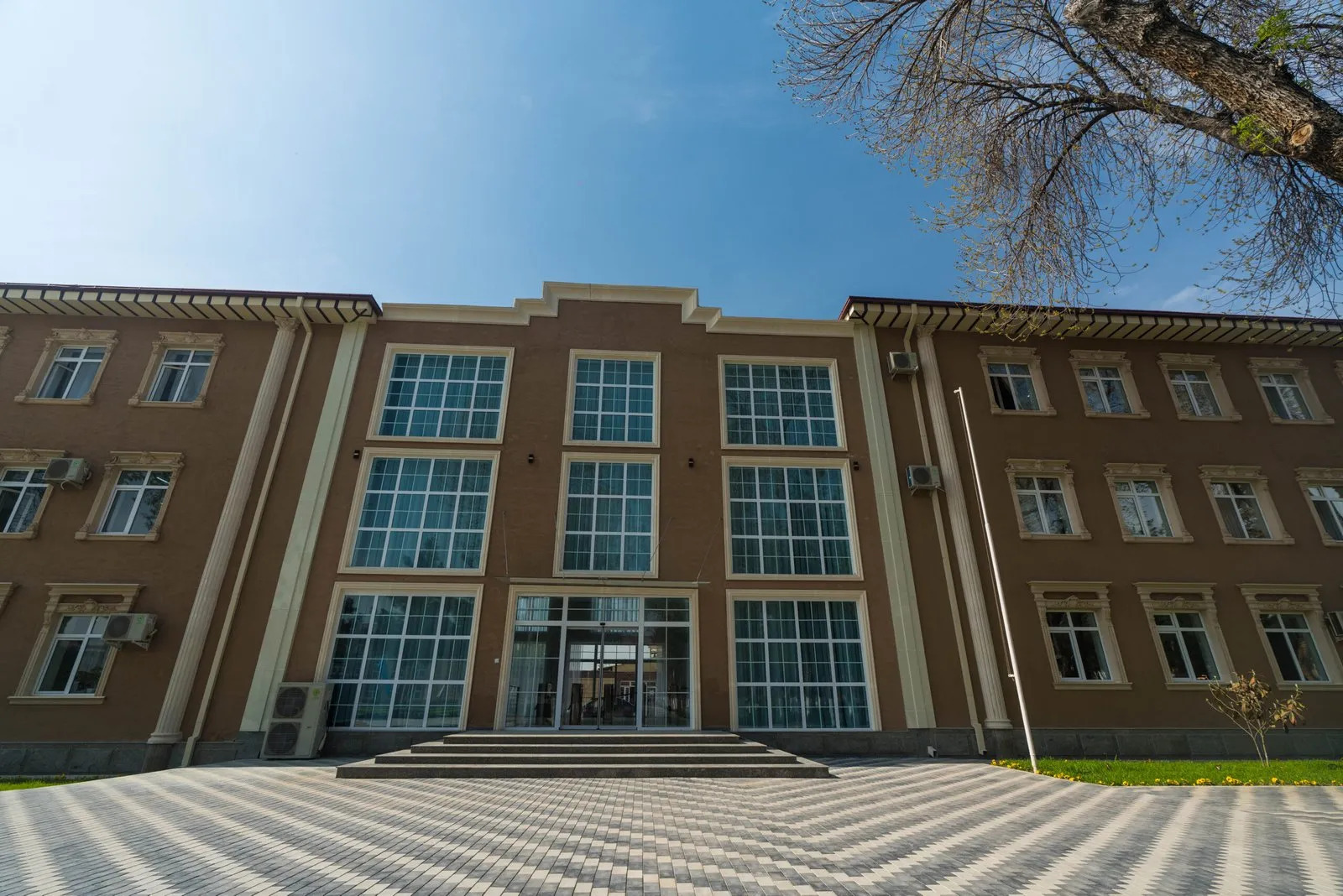
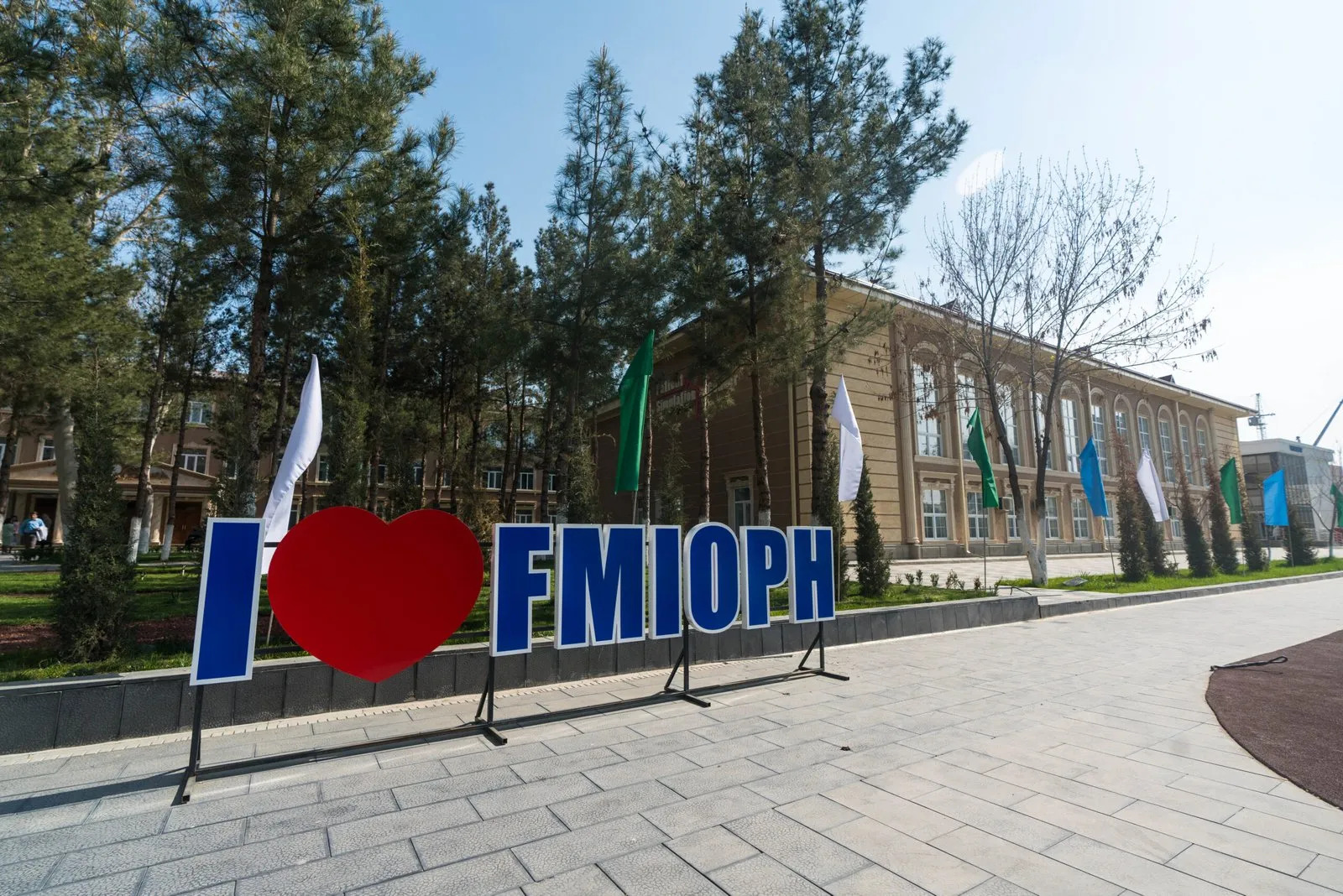
| New Modern Campus : | Inaugurated in presence of Republic of Uzbekistan Minister and Governor of Fergana city — modern medical equipment and infrastructure |
| Departments & Faculty : | 19 academic departments; 147 professors; highly qualified international faculty from developed countries |
| Library : | 80,000+ volume library with Indian-author medical texts; e-library; specialised libraries at all faculties |
| Education Loan : | Education loan eligible — WHO/NMC approved; Indian banks accept loan applications; FMIPH provides all loan documentation |
| Year 1 All-Inclusive : | USD 8,500 / ₹8,10,135 (at USD 1 = ₹95.31) — tuition + hostel + Indian food + immigration + OTC + registration |
| Years 2–6 Per Year : | USD 6,050 / ₹5,76,626 — Tuition USD 3,500 + Hostel USD 750 + Indian Food USD 1,200 + Visa Ext. USD 300 + Police Reg. USD 300 |
| Total 6-Year Cost : | USD 38,750 / ₹36,93,265 (~₹37 Lakh) at USD 1 = ₹95.31 (05 May 2026) — fully itemised; no hidden charges |
| Intakes : | TWO intakes — February AND September |
MBBS for Indian Students — 2026 Complete Guide
Why Fergana Medical Institute of Public Health Stands Apart for Indian MBBS Students
Among NMC-approved MBBS universities in Uzbekistan, Fergana Medical Institute of Public Health (FMIPH) holds a specific distinction that Indian families making a 6-year educational investment should understand clearly. It is not just another affordable university in Central Asia. It is an institution that specifically adheres to the New NMC Gazette 2021 guidelines — a compliance standard that directly determines whether Indian students can appear for FMGE / NExT after graduation and practise medicine in India. And its fee structure does something that virtually no other MBBS abroad university does: it officially itemises Indian food as a separate budget line — USD 1,200 per year — making Indian food an institutional commitment rather than an informal student arrangement.
The fee structure is the most transparent in the MBBS abroad landscape. Year 1 is all-inclusive at USD 8,500 (₹8,10,135) — covering tuition, hostel, Indian food, immigration, OTC charges, and all registrations. From Year 2, every cost is itemised: tuition USD 3,500, hostel USD 750, Indian food USD 1,200, visa extension USD 300, police registration USD 300 — total USD 6,050 (₹5,76,626) per year, identical for Years 2 through 6. Total 6-year cost: USD 38,750 / ₹36,93,265 (~₹37 Lakh). No hidden charges. No surprises mid-course.
FMIPH was established in 1991, has 19 academic departments, 147 professors, a 700-bed teaching hospital, an 80,000-volume library with Indian-author medical texts, and a brand-new modern campus inaugurated in the presence of the Republic of Uzbekistan Minister and the Governor of Fergana city. It is located in Fergana city — a tree-lined, wide-boulevarded city in the Fergana Valley, the agricultural heart of Central Asia, where the ancient Silk Road was born. Direct flights from India to Fergana or Tashkent via Uzbek Airways take approximately 3 hours — closer to home than any Russian MBBS destination.
FMIPH at a Glance — Key Facts
| Factor | Details |
|---|---|
| University Full Name | Fergana Medical Institute of Public Health (FMIPH / FMIOPH) |
| Country | Uzbekistan — independent Central Asian nation; safe, student-friendly; direct flights from India (3 hours) |
| Location | Fergana city, Fergana Province, Uzbekistan — heart of the Fergana Valley; Silk Road crossroads; near Kyrgyzstan border |
| Founded | 1991 (Medical Centre at Fergana State University); Cabinet of Ministers Resolution June 1998 → independent institute |
| University Status | Government (public) medical institute — Ministry of Health of Uzbekistan; accredited by Cabinet Ministry of Uzbekistan |
| NMC Gazette 2021 | FMIPH strictly adheres to the New NMC Gazette 2021 guidelines — the critical compliance standard for FMGE/NExT eligibility |
| Indian Food (Official) | USD 1,200/year officially itemised — institutional commitment; not informal arrangement; Year 1 included in all-inclusive fee |
| Fee Transparency | MOST TRANSPARENT: Tuition + Hostel + Indian Food + Visa Extension + Police Registration — every component officially stated; zero hidden charges |
| Degree Awarded | Doctor of General Medicine (equivalent to MBBS) — internationally valid |
| Course Duration | 6 years (5 years academic + 1 year internship); TWO intakes — February and September |
| Medium of Instruction | English (full curriculum for international students); Uzbek and Russian language for clinical environments |
| NMC Recognition | Yes — NMC, WHO, FAIMER, WDOMS & Ministry of Health Uzbekistan; FMGE / NExT eligible; USMLE & PLAB eligible |
| Teaching Hospital | 700-bed affiliated teaching hospital; clinical exposure from Year 3; affiliations with leading hospitals across Fergana |
| New Modern Campus | Inaugurated in presence of Republic Minister and Governor of Fergana — modern medical equipment and infrastructure |
| Departments & Faculty | 19 academic departments; 147 professors; international faculty from developed countries |
| Library | 80,000+ volumes with Indian-author medical texts; e-library; specialised faculty libraries |
| Silk Road Heritage | Fergana Valley: birthplace of the Silk Road; 'heavenly horses' legend; Babur-Mughal connection; Margilan silk capital 12 km away |
| Education Loan | Education loan eligible — WHO/NMC approved; Indian banks accept applications; FMIPH provides all loan documentation |
| Year 1 All-Inclusive | USD 8,500 / ₹8,10,135 — tuition + hostel + Indian food + immigration + OTC + registration; everything |
| Years 2–6 Per Year | USD 6,050 / ₹5,76,626 — Tuition USD 3,500 + Hostel USD 750 + Indian Food USD 1,200 + Visa Ext. USD 300 + Police Reg. USD 300 |
| Total 6-Year Cost | USD 38,750 / ₹36,93,265 (~₹37 Lakh) at USD 1 = ₹95.31 (05 May 2026) |
| Intakes | TWO intakes — February AND September |
30+ Years of Medical Education in the Heart of the Silk Road — The FMIPH Story
The Fergana Medical Institute of Public Health was established in 1991 as a Medical Centre affiliated with Fergana State University — in the same year that Uzbekistan gained independence from the Soviet Union. From its founding moment, FMIPH was built for the new era of independent Uzbekistan: an institution dedicated to training qualified professionals in healthcare, epidemiology, and public health, aligned with the directives of the President of Uzbekistan and the objectives of the Ministry of Health.
In June 1998, by executive order of the Cabinet of Ministers of the Republic of Uzbekistan, the Medical Centre was transformed into the independent Fergana Medical Institute of Public Health — a government-recognised, standalone institution. Today it has 19 academic departments, 147 professors, students from India, Russia, Kyrgyzstan, Bangladesh, Kazakhstan and across the world, and a new modern campus launched with the presence of the Republic of Uzbekistan Minister and the Governor of Fergana city.
The most important recent development in FMIPH's institutional history is its strict compliance with the New NMC Gazette 2021 guidelines. These guidelines — issued by India's National Medical Commission — set the standards that foreign medical universities must meet for their graduates to be eligible for FMGE / NExT in India. FMIPH's specific adherence to these guidelines is not a passive recognition but an active institutional alignment — making FMIPH one of the specifically recommended medical institutions in Uzbekistan for Indian students under the new NMC framework.
The Fergana Advantage — Silk Road Valley, Heavenly Horses & Margilan's Ancient Silk
Fergana city sits at the heart of the Fergana Valley — one of Central Asia's most historically significant geographical features, and the region that the Chinese Han Dynasty historian Zhang Qian described in the 2nd century BC as a sophisticated urban civilisation of over 70 cities. The valley was famously the home of the 'heavenly horses' — remarkable animals whose legends so captured the imagination of the Chinese emperor that he launched two military campaigns specifically to acquire them. The stories Zhang Qian brought back to China about the Fergana Valley's horses directly inspired the opening of the Great Silk Road from the 1st century BC onward — making the Fergana region not just a stop on the Silk Road, but one of the foundational inspirations for its creation.
The city of Fergana itself is a surprisingly prosperous, clean, and tree-lined city — Britannica notes it as 'noteworthy for its wide, tree-lined streets and extensive parks.' Just 12 km from the city centre is Margilan — the ancient heart of Central Asian silk production, where the Yodgorlik Silk Factory produces the famous khan atlas pure silk fabric and adras cotton-silk blend that has inspired international designers. The Fergana Valley itself is home to one-third of Uzbekistan's entire population — the most densely inhabited region in all of Central Asia.
- NMC Gazette 2021 compliant — specifically highlighted as adhering to the new guidelines that determine FMGE / NExT eligibility for Indian graduates; the single most critical compliance factor
- Indian food OFFICIALLY budgeted — USD 1,200/year as an official line-item; institutional commitment, not informal arrangement
- Most transparent fee structure in MBBS abroad — every cost itemised; Year 1 all-inclusive USD 8,500; Years 2–6 USD 6,050/year; total USD 38,750 (~₹37 Lakh)
- Direct 3-hour flights from India via Uzbek Airways — Fergana Airport (FEG) or Tashkent (TAS); closer to India than any Russian MBBS destination
- New modern campus — inaugurated by Republic Minister and Fergana Governor; fresh infrastructure; modern medical equipment
- 700-bed teaching hospital + clinical affiliations across Fergana — structured clinical training from Year 3
- 80,000-volume library with Indian-author medical texts — specifically provided for FMGE/NExT preparation
- Margilan — Central Asia's silk capital — 12 km away; Yodgorlik Silk Factory; ancient textile heritage; Silk Road India connection
- Heavenly horses — Fergana Valley: birthplace of the Silk Road; Babur's Fergana Valley; 2,000+ year civilisational heritage
- Education loan eligible — FMIPH provides all documentation; Indian banks accept education loan applications
Clinical Training — 700-Bed Hospital, Modern Campus & Indian-Author Library
FMIPH's clinical training is built on a 700-bed affiliated teaching hospital — a significant clinical facility providing structured exposure across the full range of medical specialties. The new modern campus, recently inaugurated, brings contemporary medical equipment and infrastructure to the academic programme. The 19 academic departments cover General Medicine, Preventive Medicine, Medical Pedagogy, Medical Preventive Care, Higher Medical Care, and related disciplines — providing a multi-perspective medical education that extends into the public health dimensions that FMIPH's name reflects.
- 700-bed affiliated teaching hospital — structured clinical exposure from Year 3
- New modern campus with state-of-the-art medical equipment — inaugurated by Republic Minister and Fergana Governor
- 19 academic departments across General Medicine, Preventive Medicine, and allied fields
- 147 professors — highly qualified; faculty from developed countries with international experience
- 80,000-volume library with Indian-author medical texts + e-library + specialised faculty libraries
- Affiliations with leading hospitals across Fergana city and region
- FMGE/NExT coaching support — Indian-author texts in library; NMC Gazette 2021 compliant curriculum
- International research collaborations — participation in public health research projects
Course Structure & Curriculum at FMIPH — Year by Year
FMIPH's General Medicine programme follows the 6-year NMC-aligned curriculum (5 years academic + 1 year internship) conducted entirely in English. The programme specifically adheres to New NMC Gazette 2021 guidelines. Indian-author medical textbooks are in the library. The Year 1 all-inclusive fee covers everything; from Year 2 each cost component is transparently itemised. Two annual intakes: February and September.
| Year | Phase | Subjects / Focus Areas |
|---|---|---|
| Year 1 | Pre-Clinical | Anatomy, Histology, Biochemistry, Biophysics, Latin, Uzbek/Russian Language — Year 1 all-inclusive USD 8,500 (₹8,10,135); new modern campus; Indian food included; NMC Gazette 2021 compliant |
| Year 2 | Pre-Clinical | Physiology, Microbiology, Pathological Anatomy, Language (Intermediate) — 80,000+ volume library with Indian-author texts; Silk Road heritage city; 19 departments |
| Year 3 | Para-Clinical | Pathophysiology, Pharmacology, Propedeutics of Internal Medicine — Language (Clinical); clinical exposure at 700-bed hospital and affiliated facilities |
| Year 4 | Clinical | Internal Medicine, Surgery, Paediatrics, Neurology, Psychiatry — Full rotations across FMIPH's affiliated Fergana hospital network; FMGE/NExT coaching |
| Year 5 | Clinical | Obstetrics & Gynaecology, ENT, Ophthalmology, Infectious Diseases, Oncology, Dermatology — Margilan silk centre 12 km; Fergana Valley warm climate |
| Year 6 | Internship | All-department rotations, OSCE Exams, Final State Examinations, Clinical Internship — Silk Road city of the heavenly horses; direct 3-hour flights home |
Pre-Clinical Years (1–2) — Foundation Building in the Heart of the Silk Road
The first two years establish the foundational sciences within the environment of a government medical institute in the Fergana Valley — where the Silk Road began and where Margilan's ancient silk factories are 12 km away. The 80,000-volume library with Indian-author texts supports pre-clinical reference study from Year 1. Uzbek and Russian language training begins from Year 1 — essential for clinical communication from Year 3. The all-inclusive Year 1 fee of USD 8,500 covers absolutely everything.
Clinical Years (3–6) — 700-Bed Hospital, Fergana Affiliations and FMGE Support
From Year 3, students rotate through FMIPH's 700-bed teaching hospital and affiliated clinical facilities across Fergana city. Year 5 covers all remaining clinical disciplines. Year 6 is the comprehensive internship year. Students who invested in Uzbek and Russian from Year 1 communicate effectively with patients and clinical supervisors. The Fergana Valley patient population — diverse, reflecting the multi-ethnic heritage of Central Asia — provides a rich clinical environment.
Complete Fee Structure — All-Inclusive Year 1 and Fully Itemised Years 2–6
FMIPH's fee structure is the most transparent of any MBBS abroad university for Indian students. Year 1 is all-inclusive: USD 8,500 (₹8,10,135) — covering tuition, hostel, Indian food, immigration, OTC charges, and all registrations. From Year 2, every component is separately stated. Total 6-year cost: USD 38,750 / ₹36,93,265 (~₹37 Lakh) at USD 1 = ₹95.31 (05 May 2026). Note: actual INR equivalent varies with prevailing USD/INR exchange rate.
| Year | Tuition (USD) | Hostel (USD) | Indian Food (USD) | Visa Ext. (USD) | Police Reg. (USD) | Annual Total (USD / ₹) |
|---|---|---|---|---|---|---|
| Year 1 | ALL-INCLUSIVE (Tuition + Hostel + Indian Food + Immigration + OTC + Registration) | USD 8,500 / ₹8,10,135 | ||||
| Year 2 | 3,500 | 750 | 1,200 | 300 | 300 | USD 6,050 / ₹5,76,626 |
| Year 3 | 3,500 | 750 | 1,200 | 300 | 300 | USD 6,050 / ₹5,76,626 |
| Year 4 | 3,500 | 750 | 1,200 | 300 | 300 | USD 6,050 / ₹5,76,626 |
| Year 5 | 3,500 | 750 | 1,200 | 300 | 300 | USD 6,050 / ₹5,76,626 |
| Year 6 | 3,500 | 750 | 1,200 | 300 | 300 | USD 6,050 / ₹5,76,626 |
| TOTAL | USD 17,500 | USD 3,750 | USD 6,000 | USD 1,500 | USD 1,500 | USD 38,750 / ₹36,93,265 (~₹37 Lakh) |
Exchange Rate: USD 1 = ₹95.31 (05 May 2026) | 6-Year USD Total: USD 38,750 | 6-Year INR: ₹36,93,265 (~₹37 Lakh) | Indian food OFFICIAL itemised component from Year 2
What Each Fee Component Covers
- Tuition (USD 3,500/year from Year 2 | ₹3,33,585): Full academic instruction; all lectures, laboratory sessions, simulation training, and examinations
- Hostel (USD 750/year | ₹71,483): On-campus accommodation; double/triple sharing; 24/7 security; male/female warden; emergency doctor 24/7; fixed entry/exit timings
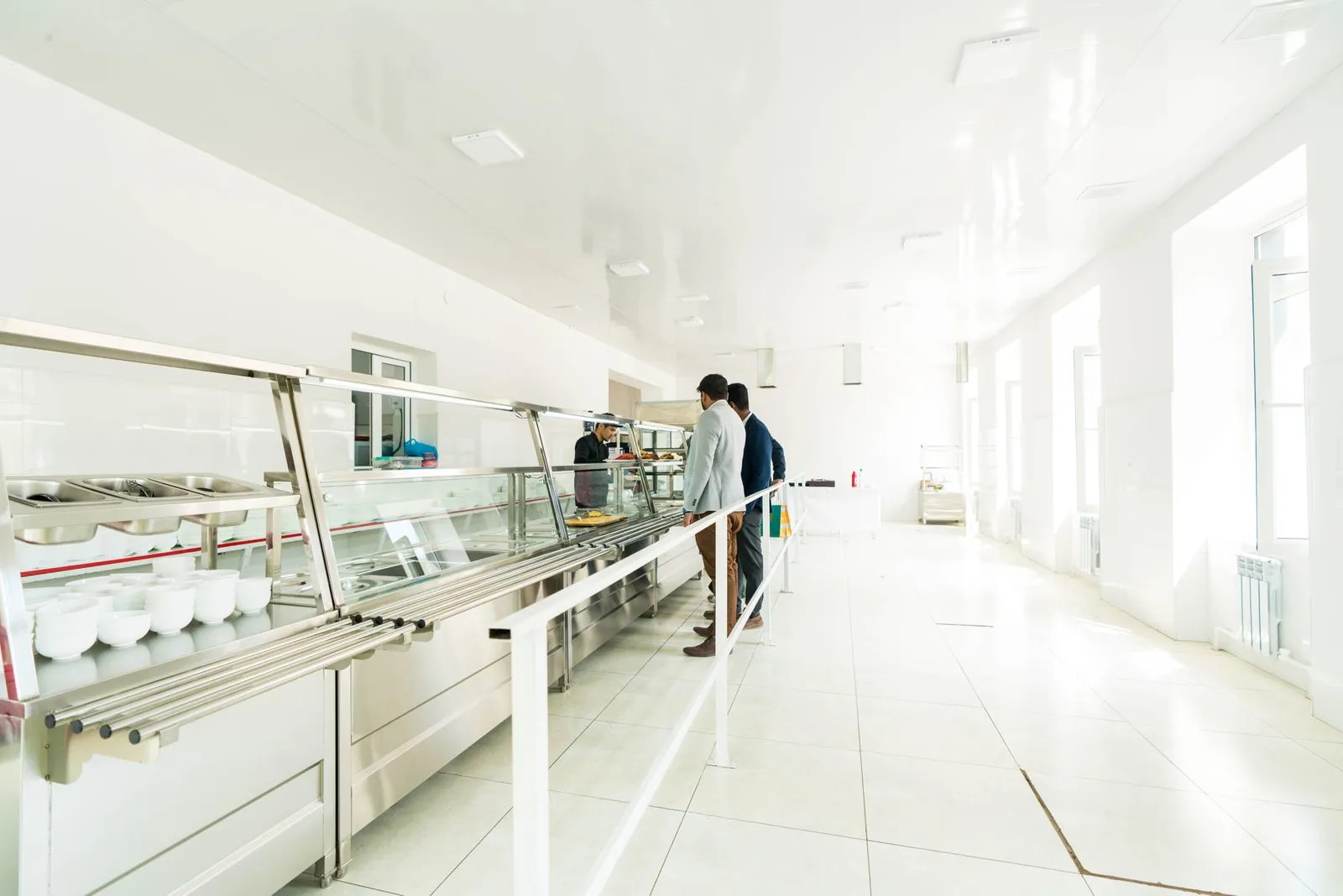
- Indian Food (USD 1,200/year | ₹1,14,372): OFFICIALLY budgeted and provided — Indian food as an official fee line-item; institutional commitment, not informal arrangement
- Visa Extension (USD 300/year | ₹28,593): Annual Uzbekistan student visa renewal; required to maintain legal student status
- Police Registration (USD 300/year | ₹28,593): Annual police registration required for foreign students in Uzbekistan; handled by FMIPH's representative team
- Year 1 Inclusive Components: Tuition + Hostel + Indian Food + Immigration processing + OTC (One-Time Charges) + University Registration — all combined in USD 8,500
FMIPH vs Typical NMC-Approved Russian Universities — Honest Comparison
| Factor | FMIPH — Fergana, Uzbekistan | Typical NMC-Approved Russian Medical University |
|---|---|---|
| Country | Uzbekistan — warmer than Russia; direct 3-hour flights from India; no Ruble exchange rate risk; USD-denominated fee clarity | Russia — cold winters; Ruble exchange rate uncertainty; longer flights from India |
| NMC Gazette 2021 | FMIPH specifically highlighted as compliant with New NMC Gazette 2021 guidelines — the key compliance differentiator for FMGE/NExT eligibility | NMC Gazette 2021 compliance not universally confirmed at Russian universities |
| Indian Food (Official) | Indian food OFFICIALLY budgeted: USD 1,200/year as a line-item in the fee structure — institutional commitment, not informal arrangement | Indian mess availability varies; rarely an official line-item in the fee structure |
| Fee Transparency | All costs itemised: Tuition + Hostel + Indian Food + Visa Extension + Police Registration — zero hidden charges | Fees often quoted as tuition-only; hostel, insurance, visa costs added separately |
| Year 1 All-Inclusive | USD 8,500 (₹8,10,135) — covers tuition, hostel, Indian food, immigration, OTC, registration — everything | Year 1 often has surprise additional setup charges beyond quoted tuition |
| Tuition Rate | USD 3,500/year (Years 2–6) — ₹3,33,585/year — one of the lowest MBBS tuition rates in Uzbekistan | RUB 3,00,000–12,50,000/year in Russia (exchange rate dependent) |
| Total 6-Year Cost | USD 38,750 / ₹36,93,265 (~₹37 Lakh) — fully itemised; no surprises | Varies; exchange rate fluctuations add uncertainty to total INR cost |
| New Modern Campus | Launched recently; inaugurated by Republic Minister and Fergana Governor — fresh, modern medical infrastructure | Many Russian MBBS universities use older Soviet-era infrastructure |
| Fergana Heritage | Birthplace of the Silk Road; Margilan silk capital 12 km; Babur-Mughal Valley; heavenly horses legend; Alexander the Great connection | Standard Russian regional city heritage |
| Education Loan | Education loan eligible — FMIPH provides all documentation; Indian banks accept applications | Education loan availability varies; documentation support not always provided |
| Intakes | Two annual intakes — February and September | Most Russian universities September intake only |
Eligibility & Admission Process for FMIPH
Eligibility Criteria
- Cleared NEET (mandatory under NMC rules — no exceptions for any foreign medical university)
- Class 12 with Physics, Chemistry, and Biology — minimum 50% aggregate in PCB (40% for SC/ST/OBC)
- Minimum age 17 years on or before 31st December of the year of admission
- Valid Indian passport — or Aadhaar/PAN/Driving Licence if passport is still being processed at time of application (unique FMIPH provision)
Step-by-Step Admission Process
- NEET Qualification: Confirm your NEET scorecard — mandatory starting point.
- Application Submission: Fill the admission form. Submit Class 10 and 12 marksheets, NEET scorecard, and passport/ID copy to FMIPH via MBBSDirect.com.
- Invitation Letter: FMIPH reviews the application and issues an official invitation letter.
- Year 1 All-Inclusive Fee Payment: Pay USD 8,500 (₹8,10,135 at USD 1 = ₹95.31 as of 05 May 2026) to FMIPH's official account. Fee can be paid via bank transfer, education loan, or demand draft.
- Uzbekistan Student Visa: Apply at the Uzbekistan Embassy in India with the invitation letter, academic documents, and supporting papers.
- Travel & Arrival: Fly directly to Fergana Airport (IATA: FEG) or to Tashkent (IATA: TAS) then connect to Fergana. Uzbek Airways direct flights approximately 3 hours. Two intakes: February and September.
Documents Required
- Filled admission form addressed to FMIPH
- Class 10 & 12 marksheets and certificates (attested/apostilled)
- NEET scorecard (original + copies)
- Valid Indian passport — or Aadhaar/PAN/Driving Licence if passport not yet ready
- 10 passport-size photographs
- Birth certificate (attested)
- Medical fitness certificate (from a registered doctor)
- Police clearance certificate
Life at FMIPH — Fergana City, Hostel, Indian Food & Student Community
Location — Fergana City, Heart of the Silk Road Valley
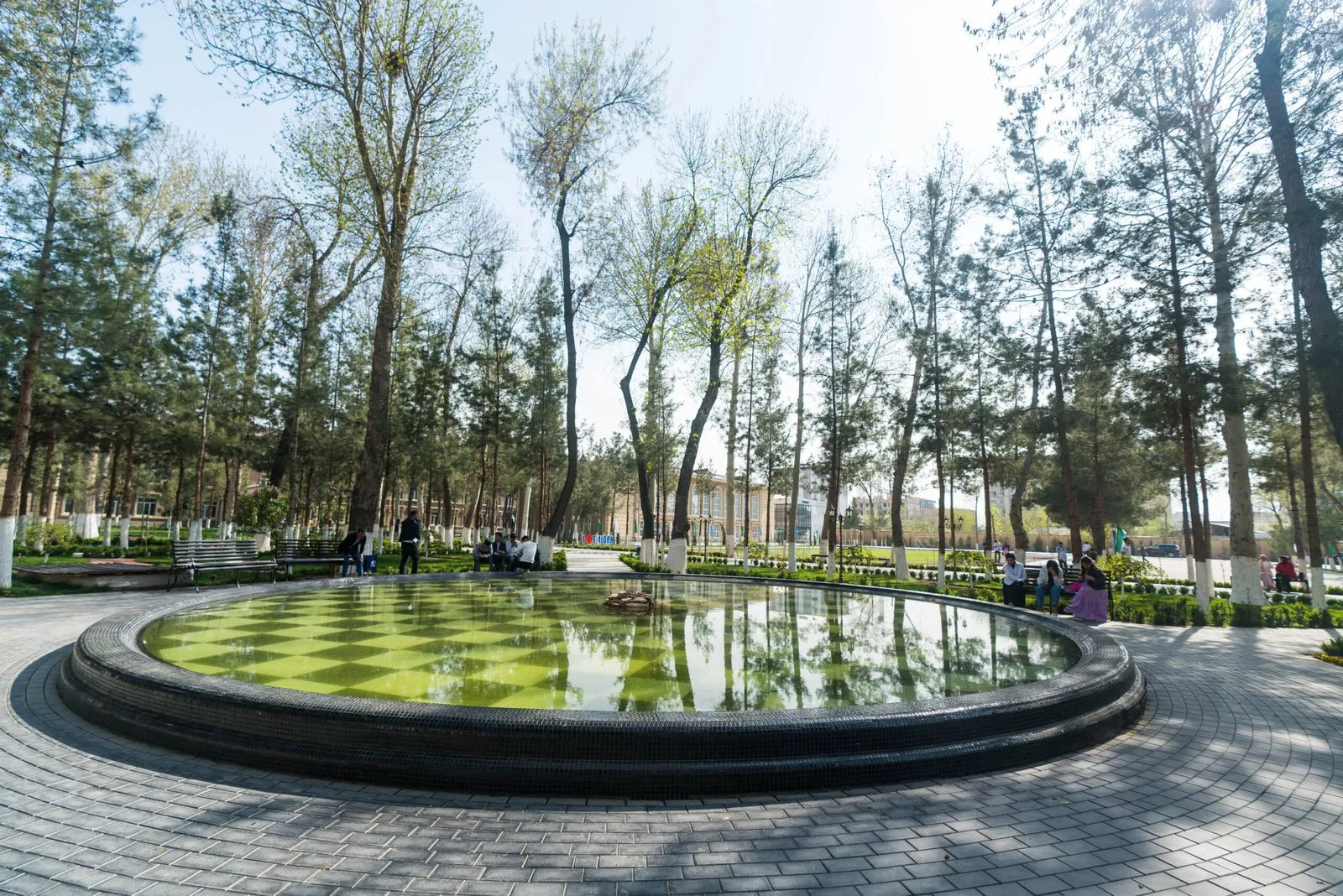
Fergana city is the capital of Fergana Province — a prosperous, tree-lined, wide-boulevarded city in the fertile Fergana Valley at the foot of the Alay Mountains. Britannica describes it as 'noteworthy for its wide, tree-lined streets and extensive parks.' The city has a regional drama theatre, a regional theatre for musical drama and comedy, and the former governor's house (1890s) with Eastern arched windows — now housing the Fergana Regional Russian Drama Theatre. The FMIPH campus is centrally located — all university buildings and student hostels are within the campus structure.
Hostel — Separate Boys and Girls Buildings with 24/7 Security
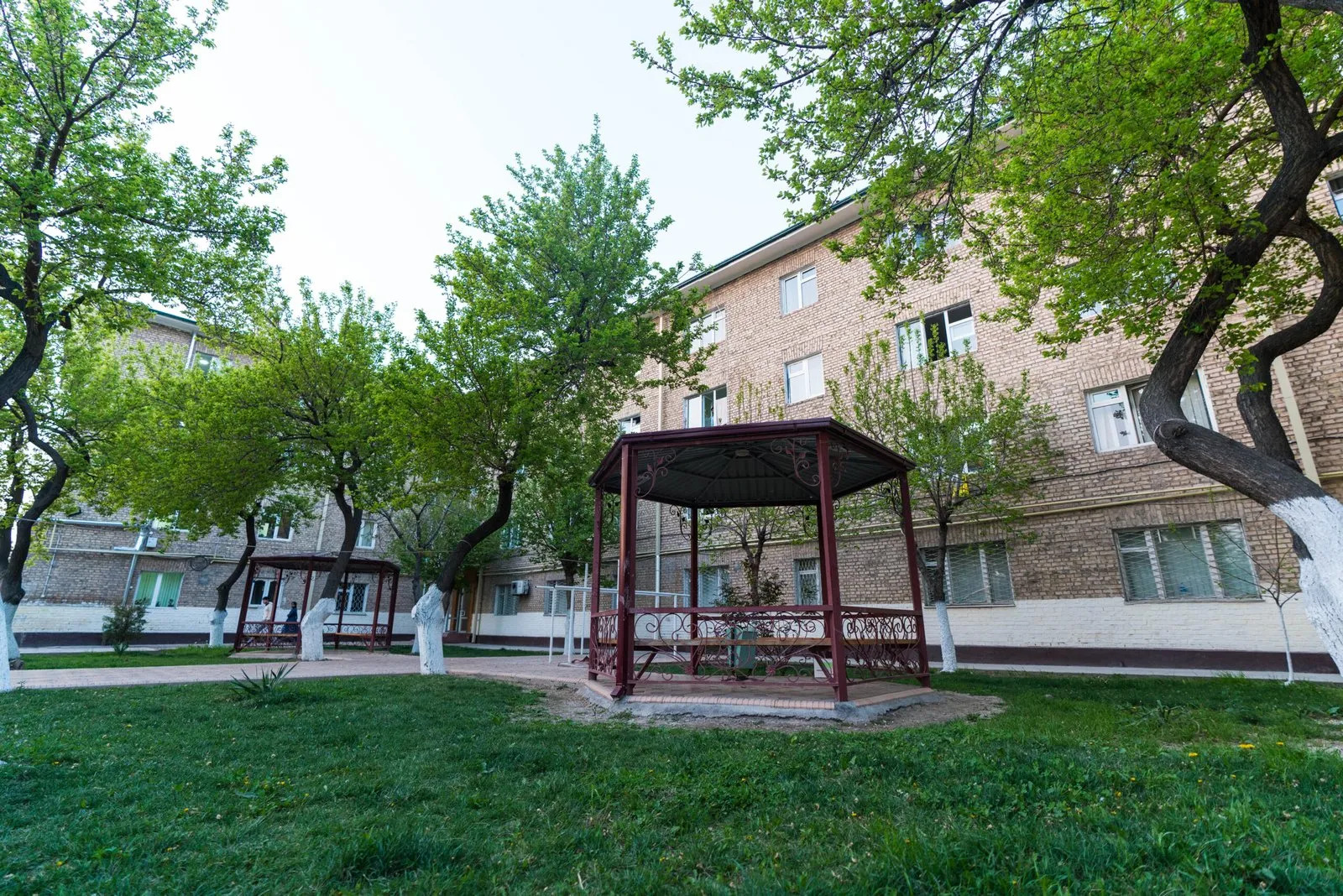
FMIPH provides separate hostel buildings for boys and girls — an important safety and privacy provision for Indian students. Rooms are available on double and triple-sharing basis, with basic amenities (water, electricity, Wi-Fi). Hostel entry and exit timings are fixed and monitored. 24/7 security personnel are present. Male and female wardens are available separately. Emergency doctors are available 24/7. FMIPH's representative team handles all local formalities including medical checkups, visa extensions, and police registration — removing the bureaucratic burden from students.
Indian Food — Officially Provided at USD 1,200/Year
Indian food at FMIPH is not a side provision — it is USD 1,200 per year as an official fee line-item. Students receive institutionally committed, formally budgeted Indian food as part of their annual fee. Beyond the official Indian food provision, Indian restaurants and cafes are available in Fergana city. The Fergana Valley's food culture — known for its devzira pilaf (made with a special reddish rice grown only in the Fergana Valley), fresh fruits, melons, and Central Asian cuisine — provides diverse and affordable food options beyond campus.
Margilan — Central Asia's Ancient Silk Capital, 12 km Away
Just 12 km from FMIPH is Margilan — the most important silk production centre in all of Central Asia. The Yodgorlik Silk Factory (established 1983, preserving traditional techniques) produces the famous khan atlas pure silk and adras cotton-silk fabric. The vibrant, colourful ikat textiles of Margilan have inspired modern international designers including Ralph Lauren. For Indian students, Margilan is a living connection to the ancient silk trade that connected Central Asia and India along the Silk Road for 1,500 years.
Climate — Warm Fergana Valley Continental Conditions
- Winter (December–February): -5°C to 5°C — cold but significantly milder than Russia; Fergana Valley sheltered by Alay Mountains; jacket and thermals sufficient
- Spring (March–May): 10°C to 22°C — the Fergana Valley comes alive; orchards bloom; the most beautiful season in the valley
- Summer (June–August): 28°C to 38°C — hot Central Asian summer; the valley's famous melons, fruits, and vegetables at their best
- Autumn (September–November): 12°C to 25°C — September intake begins in comfortable conditions; harvest season; warm
- Continental climate with hot summers and moderately cold winters — warmer than Russia; familiar for students from warm Indian states
Who Should Choose FMIPH?
✓ FMIPH is the right choice if:
- You want NMC Gazette 2021 compliant MBBS — the critical compliance standard for FMGE/NExT eligibility; FMIPH specifically adheres to these guidelines
- You want Indian food as an official, contractual, institutionally committed provision — USD 1,200/year, separately itemised, not an informal arrangement
- You want complete, transparent fee structure — Year 1 USD 8,500 all-inclusive; Years 2–6 USD 6,050/year each component itemised; total USD 38,750 (~₹37 Lakh); zero hidden charges
- You want Uzbekistan — direct 3-hour flights from India; warmer than Russia; no Ruble exchange rate risk; USD-denominated fee certainty; closer to home
- You want two annual intakes — February and September; scheduling flexibility
- You want FMIPH's representative team to handle all local formalities — visa extension, police registration, medical checkups — reducing your administrative burden
- An education loan is your preferred payment method — FMIPH is WHO/NMC approved; banks accept applications; institute provides all documentation
- You want 80,000-volume library with Indian-author texts — FMGE/NExT preparation built into the academic environment
✗ Consider alternatives if:
- You want a QS-ranked institution — FMIPH is not QS-ranked; IKBFU (Russia, QS #951–1000) is an alternative at comparable total cost
- You want a university in Russia specifically — FMIPH is in Uzbekistan; MBBSDirect.com can advise on the best NMC-approved Russian options
- You are not willing to invest in Uzbek/Russian language for clinical communication — hospital environments in Fergana operate in Uzbek and Russian
- Seats are already full for the target intake — FMIPH offers February and September intakes; MBBSDirect.com can advise on available seats
Pre-Departure Checklist — Before You Fly to FMIPH, Fergana
Document / Administrative
- NEET scorecard (original + 3 copies)
- Official FMIPH offer / invitation letter (original)
- Uzbekistan student visa stamped in passport
- Year 1 fee payment receipt (USD 8,500 / ₹8,10,135)
- Class 10 & 12 certificates (attested/apostilled originals)
- Passport validity: minimum 1.5 years from travel date
- Medical fitness certificate (from registered doctor)
- Police clearance certificate
- ID proof (Aadhaar/PAN) if passport not yet ready — unique FMIPH provision
Practical / Personal
- Light to medium clothing (Fergana is warm; jacket for winter; summers hot up to 38°C)
- Indian medicines and personal health supplies (3–6 months)
- USD cash for arrival + international debit card
- Some Indian food staples/spices — Indian food officially provided but home supplies welcome
- FMIPH Indian student WhatsApp group joined (via MBBSDirect.com)
- Basic Uzbek/Russian phrases practised — helpful for hospital environments
- Direct flight to Fergana (FEG) or Tashkent (TAS) via Uzbek Airways — 3 hours from India
- Emergency contact list (family + FMIPH + Indian Embassy Tashkent)
- University registration documents printed and organised
The Bottom Line — Is FMIPH Right for You?
Fergana Medical Institute of Public Health is one of the most transparently priced, NMC-compliant MBBS abroad options available to Indian students. Year 1 all-inclusive: USD 8,500 / ₹8,10,135. Years 2–6: USD 6,050 / ₹5,76,626 per year (Tuition USD 3,500 + Hostel USD 750 + Indian Food USD 1,200 + Visa Extension USD 300 + Police Registration USD 300). Total 6-year: USD 38,750 / ₹36,93,265 (~₹37 Lakh) at USD 1 = ₹95.31 (05 May 2026). Indian food is officially budgeted — not informally available. NMC Gazette 2021 compliant — the critical compliance standard for FMGE/NExT eligibility.
The university is in Fergana — a tree-lined, park-rich, prosperous city in the Fergana Valley, where the ancient Silk Road began, where the heavenly horses inspired the opening of trade between China and the world, where Margilan's silk factories have been weaving Central Asia's most celebrated textiles for 1,500 years, and where Babur — the founder of the Mughal dynasty — grew up in the valley that shaped his ambitions. Direct flights from India in 3 hours. Warmer than Russia. Closer to home.
If you want MBBS with NMC Gazette 2021 compliance, officially provided Indian food, complete fee transparency, direct 3-hour flights from India, and the Silk Road heritage of the Fergana Valley — Fergana Medical Institute of Public Health deserves your most serious consideration.
The team at MBBSDirect.com is here for an honest conversation about whether FMIPH is the right fit for your situation. We will tell you if FMIPH is right for you — and if it is not, we will tell you that too.
www.mbbsdirect.com — Your trusted guide to MBBS abroad — honest advice, direct admissions, no hidden charges.