Student Helpline! +91 9717172071
  Apply Here



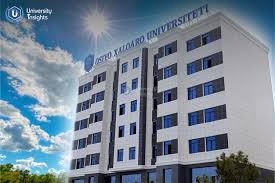
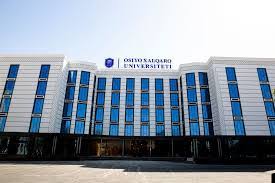
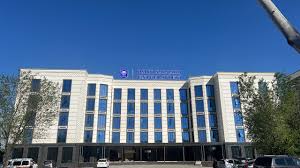
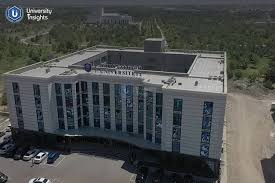
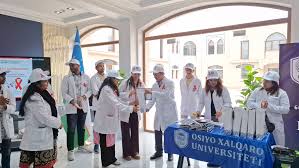
Asia International University (AIU) — Faculty of Medicine
Bukhara, Uzbekistan — MBBS in the UNESCO World Heritage City Where Avicenna Wrote the Canon of Medicine
An Overview of University
| University Full Name : | Asia International University (AIU) — Faculty of Medicine, Bukhara, Uzbekistan |
| Country : | Uzbekistan — independent Central Asian nation; safe, student-friendly; direct flights from India (3 hours) |
| Location : | Bukhara, Uzbekistan — UNESCO World Heritage City (inscribed 1993); 'the most complete example of a medieval city in Central Asia'; 2,500+ year old Silk Road hub; Avicenna's city; 140+ architectural monuments; 'Dome of Islam' |
| Founded : | November 10, 2022 — Government License No. 047757; private university; 6th ranked medical university in Uzbekistan despite less than 3 years of operation |
| University Type : | Private — modern, internationally oriented; English-medium; global faculty from India, USA, UK, Europe |
| UNESCO City : | The ONLY NMC-approved MBBS university in Uzbekistan located IN a UNESCO World Heritage City — Bukhara's entire historic centre is UNESCO-listed; students live and study in a 2,500-year-old living museum |
| Avicenna (Ibn Sina) : | Born in Afshona, 40 km from Bukhara (980 AD); spent formative years studying in Bukhara's Samanid library; wrote the Canon of Medicine IN Bukhara — the standard medical textbook in Asia and Europe for 700 years; explicitly drew on Indian Ayurvedic pharmacology |
| Imam Bukhari : | Imam al-Bukhari (810–870 AD) — compiler of Sahih Bukhari, the most authoritative Hadith collection in Sunni Islam — BORN IN BUKHARA; the city's sacred significance is profound |
| India–Bukhara Heritage : | Medieval Indian merchants from Multan (Pakistan) owned land in Bukhara — documented in historical records; Silk Road connected Bukhara and India for 2,000 years; Avicenna's Canon explicitly drew on Indian Ayurvedic pharmacology |
| Cultural Capital : | Bukhara designated Cultural Capital of the Islamic World 2020 — the supreme heritage city of the Islamic scholarly tradition |
| Indian Faculty : | Experienced Indian faculty familiar with NMC syllabus and Indian exam patterns — personalised FMGE/NExT mentorship; USMLE/PLAB guidance; formal institutional provision |
| Indian Food (Official) : | USD 1,200/year (₹1,14,372) officially budgeted — formal institutional commitment; separately itemised in fee structure; Indian dietary needs specifically catered |
| Teaching Hospital : | 700+ teaching beds across affiliated governmental and private hospitals in Bukhara; MRI, CT, Angiography exposure; clinical exposure from Year 3 |
| Modern Infrastructure : | Simulation labs (high-fidelity mannequins), digital classrooms (smart boards), anatomy labs (dedicated dissection halls), departmental labs, central medical library — ALL new (2022) |
| Degree Awarded : | Doctor of General Medicine (equivalent to MBBS) |
| Course Duration : | 6 years (5 years academic + 1 year internship); TWO intakes — February and September |
| Medium of Instruction : | English (full curriculum for international students); Uzbek/Russian for clinical hospital environments |
| NMC Recognition : | Yes — NMC, WHO, ECFMG (USA) & WDOMS listed; FMGE / NExT eligible; USMLE & PLAB eligible |
| Students & Faculty : | 15,000+ students; 330+ faculty; 28 specialties; multicultural — India, Pakistan, Nepal, Africa, Middle East |
| Scholarships : | Available for academically strong students; no capitation fees; merit-based admissions only |
| Year 1 All-Inclusive : | USD 7,300 / ₹6,95,763 (at USD 1 = ₹95.31 as of 05 May 2026) — tuition+hostel+Indian food+immigration+OTC+registrations |
| Years 2–6 Annual Total : | USD 4,900 / ₹4,67,019 — Tuition USD 2,600 + Hostel USD 600 + Indian Food USD 1,200 + Visa Ext. USD 250 + Police Reg. USD 250 |
| Total 6-Year Cost : | USD 31,800 / ₹30,30,858 (~₹30 Lakh) at USD 1 = ₹95.31 (05 May 2026) — fully itemised; zero hidden charges |
| Intakes : | TWO intakes — February AND September |
MBBS for Indian Students — 2026 Complete Guide
Why Asia International University Stands Apart for Indian MBBS Students
Among all NMC-approved MBBS universities in Uzbekistan, Asia International University (AIU) holds one distinction that no other medical institution in the country can claim: its campus is located in Bukhara — a UNESCO World Heritage City whose 2,500-year history, extraordinary Islamic architectural heritage, deep Silk Road connections with India, and profound legacy as the birthplace city of both Imam Bukhari and — in the surrounding region — Avicenna (Ibn Sina) himself, creates a study environment unlike any other MBBS destination in the world.
Avicenna (Abu Ali Ibn Sina, 980–1037 AD) is the greatest physician of the Islamic world and the father of modern medicine. His Canon of Medicine was the standard medical textbook in universities across Asia and Europe for 700 years. He was born 40 km from Bukhara, spent his formative years studying in Bukhara's famous Samanid libraries, and wrote the Canon of Medicine in this very city. The Canon explicitly drew on Indian Ayurvedic pharmacology and therapeutics — knowledge that reached Bukhara through the same Silk Road routes that brought medieval Indian merchants from Multan to live and own property in Bukhara. For Indian medical students, studying MBBS in the city where the world's most influential physician developed his medical thinking is a direct connection to the roots of the medical tradition they are entering.
AIU's fee structure is transparent and fully itemised. Year 1 all-inclusive: USD 7,300 (₹6,95,763). Years 2–6: tuition USD 2,600 + hostel USD 600 + Indian food USD 1,200 + visa extension USD 250 + police registration USD 250 = USD 4,900 (₹4,67,019) per year. Total 6 years: USD 31,800 / ₹30,30,858 (~₹30 Lakh). Indian food is an official, budgeted line-item — not an informal provision. Indian faculty experienced in the NMC syllabus provide FMGE/NExT mentorship throughout. The clinical network provides 700+ teaching beds with MRI, CT, and Angiography exposure and high-fidelity simulation labs on campus.
AIU at a Glance — Key Facts
| Factor | Details |
|---|---|
| University Full Name | Asia International University (AIU) — Faculty of Medicine, Bukhara, Uzbekistan |
| Country | Uzbekistan — independent Central Asian nation; safe, student-friendly; direct flights from India (~3 hours) |
| Location | Bukhara, Uzbekistan — UNESCO World Heritage City (1993); 'the most complete medieval city in Central Asia'; 2,500+ years old; Avicenna's city; Imam Bukhari's birthplace city; 140+ architectural monuments; 'Dome of Islam'; 'Cultural Capital of the Islamic World 2020' |
| Founded | November 10, 2022 — Government License No. 047757; private; 6th ranked medical university in Uzbekistan |
| University Type | Private — modern, internationally oriented; English-medium; global faculty from India, USA, UK, Europe |
| UNESCO City Distinction | The ONLY NMC-approved MBBS university in Uzbekistan located IN a UNESCO World Heritage City — the entire Bukhara historic centre is UNESCO-listed; students live in a 2,500-year-old living museum |
| Avicenna (Ibn Sina) | Born in Afshona, 40 km from Bukhara (980 AD); studied in Bukhara's Samanid library; wrote the Canon of Medicine IN Bukhara — standard medical textbook for 700 years; drew on Indian Ayurvedic pharmacology |
| Imam Bukhari | Imam al-Bukhari (810–870 AD) — compiler of Sahih Bukhari, the most authoritative Hadith collection in Sunni Islam — BORN IN BUKHARA |
| India–Bukhara Heritage | Medieval Indian merchants from Multan owned land in Bukhara — documented historical evidence; Silk Road connected Bukhara and India 2,000+ years; Avicenna's Canon drew on Indian Ayurvedic knowledge |
| Indian Faculty | Experienced Indian faculty familiar with NMC syllabus and Indian exam patterns — personalised FMGE/NExT mentorship; USMLE/PLAB guidance; formal institutional provision |
| Indian Food (Official) | USD 1,200/year (₹1,14,372) officially budgeted — separately itemised; formal commitment; Indian dietary needs specifically catered |
| Teaching Hospital | 700+ teaching beds across affiliated hospitals; MRI, CT, Angiography exposure; clinical training from Year 3 |
| Modern Infrastructure | All-new 2022 campus: high-fidelity simulation mannequins; digital smart-board classrooms; dedicated anatomy dissection halls; departmental labs; central medical library |
| Degree Awarded | Doctor of General Medicine (equivalent to MBBS) |
| Course Duration | 6 years (5 years academic + 1 year internship); TWO intakes — February and September |
| Medium of Instruction | English (full curriculum); Uzbek/Russian for clinical hospital environments |
| NMC Recognition | Yes — NMC, WHO, ECFMG (USA) & WDOMS listed; FMGE / NExT eligible; USMLE & PLAB eligible |
| Students & Faculty | 15,000+ students; 330+ faculty; 28 specialties; multicultural |
| Year 1 All-Inclusive | USD 7,300 / ₹6,95,763 — everything included |
| Years 2–6 Annual Total | USD 4,900 / ₹4,67,019 — Tuition USD 2,600 + Hostel USD 600 + Indian Food USD 1,200 + Visa Ext. USD 250 + Police Reg. USD 250 |
| Total 6-Year Cost | USD 31,800 / ₹30,30,858 (~₹30 Lakh) at USD 1 = ₹95.31 (05 May 2026) |
| Scholarships | Available for academically strong students; no capitation fees; merit-based admissions |
| Intakes | TWO — February AND September |
Avicenna's City — The Father of Modern Medicine and Bukhara
Abu Ali Ibn Sina — known in the Western world as Avicenna (980–1037 AD) — was born in the village of Afshona, approximately 40 kilometres from Bukhara, in what is now Uzbekistan. He is widely recognised as the greatest physician and medical thinker of the Islamic world, and one of the most important figures in the entire history of medicine. His Canon of Medicine (Al-Qanun fi al-Tibb) — completed in Bukhara in the early 11th century — remained the standard medical textbook in university medical programmes across the Islamic world, South Asia, Persia, and Europe for over 700 years, until the 17th century.
Avicenna came to Bukhara as a young student, drawn by the city's famous Samanid court library — one of the finest collections of medical, philosophical, and scientific texts in the medieval world. By the age of 18, Avicenna had already mastered all available medical knowledge. He studied the library's collections room by room — noting that after completing his study of one room, he moved to the next. The Canon of Medicine systematised all of Greek, Islamic, and Indian medical knowledge into a single comprehensive framework. Indian Ayurvedic medicine, Greek humoral theory, and Islamic pharmacology all found their place in the Canon — and Avicenna's section on medicinal plants explicitly includes Indian herbs and Ayurvedic compounds transmitted to Bukhara through Silk Road trade routes and the medieval Indian merchant community that owned land in the city.
Bukhara was also the birthplace of Imam Muhammad al-Bukhari (810–870 AD) — compiler of Sahih Bukhari, the most authoritative Hadith collection in Sunni Islam. For Indian students from Muslim communities, studying in Imam Bukhari's birthplace city carries profound religious significance. And in 2020, Bukhara was designated the Cultural Capital of the Islamic World — the supreme recognition of the city's status as the custodian of the medieval Islamic scholarly tradition that produced both Avicenna and Imam Bukhari.
The Bukhara Advantage — UNESCO World Heritage City, Living Open-Air Museum
Bukhara's UNESCO World Heritage designation (1993) is not for a single monument or site — it is for the entire historic centre of the city, which UNESCO describes as 'the most complete example of a medieval city in Central Asia, with an urban fabric that has remained largely intact.' Walking through Bukhara's old city feels like exploring a time capsule of the Silk Road — past bazaars, through the elegant brickwork of medieval monuments, around the pond complex where the city's social life has centred for 400 years.
The Ark Citadel — dating to the 5th century BC — stands within minutes of the AIU campus. The Kalon Minaret (1127 AD), 46.5 metres tall, was the defining landmark for Silk Road caravans for 900 years. The Ismail Samani Mausoleum (9th–10th century AD) — one of the oldest Islamic monuments in Central Asia, considered a masterpiece of 10th-century Muslim architecture — is a short walk away. The Lyabi-Khauz pond complex (16th–17th century) — surrounded by madrasas and khanaqahs — remains Bukhara's social and cultural heart. The Ulugbek Madrasa (1417 AD), the oldest preserved madrasa in Central Asia, represents the Timurid educational tradition that produced Avicenna's intellectual heirs.
- ONLY NMC-approved MBBS in Uzbekistan in a UNESCO World Heritage City — Bukhara's entire historic centre is UNESCO-listed; students live in a 2,500-year-old living museum
- Avicenna's city — father of modern medicine; Canon of Medicine written in Bukhara; Canon explicitly drew on Indian Ayurvedic pharmacology
- Medieval Indian merchants from Multan owned land in Bukhara — documented historical evidence of India's ancient Silk Road presence in this very city
- Cultural Capital of the Islamic World 2020 — international recognition of Bukhara's status as the supreme heritage city of the Islamic scholarly tradition
- Imam Bukhari born in Bukhara — profound religious significance for India's Muslim students
- 140+ architectural monuments; 400+ historical and cultural sites — including Ark Citadel (5th c. BC), Kalon Minaret (1127 AD), Samanid Mausoleum (9th–10th c.), Lyabi-Khauz (16th–17th c.)
- Indian faculty for NMC syllabus coaching — formal provision, not informal arrangement; FMGE/NExT + USMLE/PLAB guidance
- Indian food officially USD 1,200/year — institutionally committed, separately itemised in the fee structure
- Direct flights from India via Bukhara Airport (IATA: BHK); or Tashkent + high-speed train (3.5 hrs)
Clinical Training — 700+ Teaching Beds, High-Fidelity Simulation & Indian Faculty Coaching
AIU's clinical training programme utilises mandatory rotations across major governmental and private hospital affiliates in Bukhara. The collective clinical network provides 700+ teaching beds — a significant base for a university established in 2022. Clinical rotations begin from Year 3 and cover all major specialties. Students gain direct exposure to advanced imaging technologies including MRI, CT, and Angiography at affiliated clinical centres.
On campus, AIU's simulation labs with high-fidelity mannequins provide mandatory procedural training before students transition to live patient care — reflecting the latest thinking in medical education design. Dedicated anatomy labs with dissection halls, departmental science laboratories, and digital classrooms with smart boards complete an infrastructure that, as a 2022-established institution, is entirely new and contemporary.
- 700+ teaching beds across affiliated governmental and private hospitals in Bukhara — diverse pathology exposure
- Advanced imaging exposure — MRI, CT, Angiography — at affiliated clinical centres
- High-fidelity simulation mannequins — mandatory procedural training before live patient rotations
- Dedicated anatomy labs with dissection halls — all new (2022); maintained to high standards
- Departmental labs for Biochemistry, Microbiology, Pathology, Pharmacology
- Digital classrooms with smart boards — all new infrastructure; no Soviet-era legacy facilities
- Central medical library — comprehensive academic references
- Indian faculty experienced in NMC syllabus — integrated FMGE/NExT coaching; USMLE/PLAB guidance; formal institutional provision throughout all 6 years
Course Structure & Curriculum at AIU — Year by Year
AIU's General Medicine programme follows the 6-year NMC-aligned curriculum (5 years academic + 1 year internship) conducted entirely in English. Indian faculty with NMC syllabus expertise support the curriculum throughout. Year 1 all-inclusive covers everything; Year 2 onwards each cost is itemised. Two annual intakes: February and September.
| Year | Phase | Subjects / Focus Areas |
|---|---|---|
| Year 1 | Pre-Clinical | Anatomy, Histology, Biochemistry, Biophysics, Latin, Uzbek/Russian Language — Year 1 all-inclusive USD 7,300 (₹6,95,763); Indian faculty; Indian food from Day 1; UNESCO World Heritage City surroundings; Avicenna's Bukhara |
| Year 2 | Pre-Clinical | Physiology, Microbiology, Pathological Anatomy, Language (Intermediate) — Ismail Samani Mausoleum 5 min walk; Kalon Minaret nearby; medieval Indian merchant heritage; digital smart-board classrooms |
| Year 3 | Para-Clinical | Pathophysiology, Pharmacology, Propedeutics — Language (Clinical); Clinical at 700+ bed affiliated hospital network; Indian faculty FMGE coaching intensifies; Avicenna wrote Pharmacology's foundational text in this city |
| Year 4 | Clinical | Internal Medicine, Surgery, Paediatrics, Neurology, Psychiatry — Full rotations; Indian faculty NMC coaching; USMLE/PLAB guidance; Ark Citadel (5th century BC) minutes from campus |
| Year 5 | Clinical | Obstetrics & Gynaecology, ENT, Ophthalmology, Infectious Diseases, Oncology, Dermatology — Cultural Capital of the Islamic World; Lyabi-Khauz 400-year-old social heart of the city |
| Year 6 | Internship | All-department rotations, OSCE Exams, Final State Examinations — medieval Indian merchants owned land here; Imam Bukhari's birthplace; most historically extraordinary MBBS internship city in the world |
Pre-Clinical Years (1–2) — Foundation Building in Avicenna's City
The first two years establish the foundational sciences within the brand-new infrastructure of AIU's 2022 campus — all digital classrooms with smart boards, dedicated anatomy dissection halls, and departmental science labs — in a city where Avicenna spent his formative years in exactly the same pursuit: mastering the foundational sciences from Bukhara's great library. Indian faculty-led FMGE coaching begins from the early academic years. Uzbek and Russian language training from Year 1 prepares students for the clinical hospital environment from Year 3.
Clinical Years (3–6) — 700+ Beds, Simulation Labs and Indian Faculty NMC Coaching
From Year 3, students rotate through AIU's 700+ teaching bed network across affiliated hospitals in Bukhara. Year 5 covers the remaining clinical disciplines. Year 6 is the comprehensive internship year. Indian faculty continue FMGE/NExT coaching throughout clinical years, ensuring MBBS learning is explicitly connected to the licensing examination requirements. Students investing in Uzbek and Russian from Year 1 communicate more effectively in hospital environments.
Complete Fee Structure — All-Inclusive Year 1 and Itemised Years 2–6
AIU's fee structure is fully transparent. Year 1: USD 7,300 / ₹6,95,763. Years 2–6: each component separately stated. Total 6 years: USD 31,800 / ₹30,30,858 (~₹30 Lakh) at USD 1 = ₹95.31 (05 May 2026). Actual INR amount varies with USD/INR rate at payment date.
| Year | Tuition (USD) | Hostel (USD) | Indian Food (USD) | Visa Ext. (USD) | Police Reg. (USD) | Annual Total (USD / ₹) |
|---|---|---|---|---|---|---|
| Year 1 | ALL-INCLUSIVE (Tuition + Hostel + Indian Food + Immigration + OTC + Registration) | USD 7,300 / ₹6,95,763 | ||||
| Year 2 | 2,600 | 600 | 1,200 | 250 | 250 | USD 4,900 / ₹4,67,019 |
| Year 3 | 2,600 | 600 | 1,200 | 250 | 250 | USD 4,900 / ₹4,67,019 |
| Year 4 | 2,600 | 600 | 1,200 | 250 | 250 | USD 4,900 / ₹4,67,019 |
| Year 5 | 2,600 | 600 | 1,200 | 250 | 250 | USD 4,900 / ₹4,67,019 |
| Year 6 | 2,600 | 600 | 1,200 | 250 | 250 | USD 4,900 / ₹4,67,019 |
| TOTAL | USD 13,000 | USD 3,000 | USD 6,000 | USD 1,250 | USD 1,250 | USD 31,800 / ₹30,30,858 (~₹30 Lakh) |
Exchange Rate: USD 1 = ₹95.31 (05 May 2026) | 6-Year USD: USD 31,800 | INR: ₹30,30,858 (~₹30 Lakh) | Indian Food OFFICIAL at USD 1,200/year from Year 2 | Actual INR varies with exchange rate at payment date
What Each Fee Component Covers
- Tuition (USD 2,600/year | ₹2,47,806): All academic instruction — lectures, simulation training, laboratory sessions, examinations at AIU's Faculty of Medicine
- Hostel (USD 600/year | ₹57,186): On-campus hostel — separate for boys and girls; furnished rooms; 24/7 security; proximity to academic blocks; one of the most affordable hostel rates among NMC-approved MBBS universities in Uzbekistan
- Indian Food (USD 1,200/year | ₹1,14,372): OFFICIALLY budgeted — Indian dietary needs specifically catered; formal institutional commitment itemised in the fee structure; veg and non-veg options
- Visa Extension (USD 250/year | ₹23,828): Annual Uzbekistan student visa renewal required for all international students
- Police Registration (USD 250/year | ₹23,828): Annual foreign student registration in Uzbekistan; handled as part of the overall student support process
AIU vs Typical NMC-Approved Russian Universities — Honest Comparison
| Factor | AIU — Bukhara, Uzbekistan | Typical NMC-Approved Russian Medical University |
|---|---|---|
| Country | Uzbekistan — direct 3-hour flights from India; warmer; USD fees; no Ruble exchange rate risk | Russia — cold winters; Ruble exchange rate uncertainty; longer flights from India |
| UNESCO City | AIU is located IN a UNESCO World Heritage City — Bukhara's entire historic centre; 2,500+ years old; Avicenna's city; Imam Bukhari's birthplace city; 'most complete medieval city in Central Asia' | No NMC-approved Russian MBBS university is located in a UNESCO World Heritage City |
| Avicenna Connection | Avicenna wrote the Canon of Medicine IN Bukhara — standard medical textbook for 700 years; Canon drew on Indian Ayurvedic pharmacology | No comparable connection to the father of modern medicine |
| India Heritage | Medieval Indian merchants from Multan owned land in Bukhara — documented; Silk Road India connection 2,000+ years; Avicenna's Canon drew on Indian medicine | No comparable documented ancient India-city connection |
| Indian Faculty | Experienced Indian faculty with NMC syllabus expertise — formal provision; personalised FMGE/NExT + USMLE/PLAB mentorship | Dedicated Indian faculty for NMC syllabus rarely a formal provision |
| Indian Food | USD 1,200/year officially budgeted — separately itemised; formal institutional commitment | Indian mess availability varies; rarely an official fee line-item |
| Infrastructure | New campus (est. 2022) — ALL facilities new; high-fidelity simulation mannequins; smart-board classrooms; dedicated anatomy dissection halls | Many Russian MBBS universities use older Soviet-era infrastructure |
| Total 6-Year Cost | USD 31,800 / ₹30,30,858 (~₹30 Lakh) — fully itemised; no surprises | Varies; RUB-denominated; exchange rate fluctuations add uncertainty |
| Intakes | Two annual intakes — February and September | Most Russian universities September intake only |
Eligibility & Admission Process for AIU
Eligibility Criteria
- Cleared NEET (mandatory under NMC rules — no exceptions)
- Class 12 with Physics, Chemistry, and Biology — minimum 50% aggregate in PCB (40% for SC/ST/OBC)
- Minimum age 17 years on or before 31st December of the year of admission
- Valid Indian passport (or Aadhaar/PAN/Driving Licence if passport is in process)
Step-by-Step Admission Process
- NEET Qualification: Confirm your NEET scorecard — mandatory starting point.
- Application: Submit Class 10 and 12 marksheets, NEET scorecard, and passport/ID copy to AIU via MBBSDirect.com.
- Invitation Letter: AIU reviews application and issues an official invitation letter.
- Year 1 Fee Payment: Pay USD 7,300 (₹6,95,763 at USD 1 = ₹95.31 as of 05 May 2026) to AIU's official account.
- Uzbekistan Student Visa: Apply via Uzbekistan Embassy in India with the invitation letter.
- Travel & Arrival: Fly to Bukhara Airport (IATA: BHK) directly, or to Tashkent (TAS) + high-speed train to Bukhara (3.5 hours). Two intakes: February and September.
Documents Required
- Class 10 & 12 marksheets and pass certificates (attested/apostilled)
- NEET scorecard (original + copies)
- Valid Indian passport (or Aadhaar/PAN if passport in process)
- 10 passport-size photographs
- Birth certificate (attested)
- Medical fitness certificate (from a registered doctor)
- Police clearance certificate
Life at AIU — Bukhara, Hostel, Indian Food & Student Community
Location — Living in the UNESCO World Heritage City
The experience of being an AIU student is inseparable from the experience of living in Bukhara — and Bukhara is unlike any other city where Indian students pursue MBBS. Walking from the AIU campus to the Ark Citadel (5th century BC), the Kalon Minaret (1127 AD), the Samanid Mausoleum (9th–10th century), or the Lyabi-Khauz pond complex (16th–17th century) takes minutes. The city has 400+ historical and cultural monuments. The Ulugbek Madrasa (1417 AD) — the oldest preserved madrasa in Central Asia — stands in the city. The Toqi Telpakfurushon bazaar domes (1571 AD) — one of Central Asia's oldest covered trading complexes — remain active. In 2020, Bukhara was designated the Cultural Capital of the Islamic World.
Hostel — Separate Boys and Girls Facilities at USD 600/Year
AIU provides separate on-campus hostel facilities for boys and girls — rooms furnished with beds, study tables, wardrobes, and basic amenities (water, electricity, Wi-Fi). The hostel cost of USD 600/year (₹57,186) is one of the most affordable among NMC-approved MBBS universities in Uzbekistan. 24/7 security. Proximity to academic blocks. The all-inclusive Year 1 fee covers the hostel.
Indian Food — USD 1,200/Year Official Provision & Bukhara's Culinary Heritage
Indian food at AIU is officially budgeted at USD 1,200/year (₹1,14,372) — a formal institutional commitment itemised in the annual fee structure. Indian students' vegetarian and non-vegetarian dietary needs are specifically catered for. Beyond campus, popular Indian restaurants in Bukhara city — including Raaj Kapur and Shalimar Restaurant — serve Indian cuisine in the old city area. Bukhara's bazaars offer the full range of Uzbek culinary heritage: the famous Bukhara oshi sofi (pilaf where each ingredient is slow-cooked separately, then drizzled with sizzling oil — the finest pilaf in Uzbekistan), Alat samsa (Bukhara's famous savoury pastry with unleavened dough), and Barracha (tender young lamb sautéed with onions). Fresh produce from the Zerafshan River valley markets.
Student Life — The Most Historically Extraordinary MBBS Campus City in the World
No MBBS destination offers students the cultural life of Bukhara. The city has 400+ historical and cultural monuments. Students walk past medieval monuments on their way to class. Cultural events, Navruz celebrations, Bukhara's traditional music (Shashmacom — UNESCO Intangible Heritage), and the city's cosmopolitan mix of Uzbek, Tajik, Persian, and now Indian student cultures create a campus life of genuine richness and diversity.
Climate — Uzbek Continental Desert Conditions
- Winter (December–February): -5°C to 5°C — cold; jacket and thermals essential; milder than Russia
- Spring (March–May): 10°C to 22°C — Bukhara's most beautiful season; monuments surrounded by spring colour; perfect for exploring
- Summer (June–August): 32°C to 40°C+ — hot dry desert summer; old city bazaars provide shade; mornings and evenings comfortable
- Autumn (September–November): 12°C to 28°C — September intake begins in ideal conditions; the Bukhara pilaf season
- Continental hot-dry climate — similar to India's arid zones (Rajasthan, Gujarat); students from drier Indian states adapt most easily
Who Should Choose AIU?
✓ AIU is the right choice if:
- You want to study MBBS in a UNESCO World Heritage City — AIU is the ONLY NMC-approved MBBS university in Uzbekistan in such a city; Bukhara's entire 2,500-year-old historic centre is UNESCO-listed
- You are drawn to Avicenna's city — studying medicine in the city where the Canon of Medicine was written, where the father of modern medicine spent his formative years, where India's medical knowledge was synthesised into the world's most influential medical textbook
- You want Indian faculty with NMC syllabus expertise — formal provision; personalised FMGE/NExT mentorship; USMLE/PLAB guidance throughout 6 years
- You want Indian food as an official contractual commitment — USD 1,200/year, separately itemised in the fee structure; not an informal provision
- You want all-new 2022 infrastructure — no Soviet-era legacy; high-fidelity simulation mannequins; smart board classrooms; dedicated anatomy dissection halls
- You want 700+ teaching beds, MRI/CT/Angiography exposure, and modern simulation labs — clinical training at a well-equipped network in Bukhara
- You want complete fee transparency — Year 1 USD 7,300; Years 2–6 USD 4,900/year; total USD 31,800 (~₹30 Lakh); zero hidden charges
- Two annual intakes, no capitation fees, scholarships available
✗ Consider alternatives if:
- You want the lowest possible 6-year cost — Navoi State University (~₹28 Lakh) and FMIPH Fergana (~₹37 Lakh) offer different price points; NSU is lower than AIU
- You want a government/public university — AIU is private; government Uzbekistan alternatives include FMIPH (Fergana) and Bukhara State Medical Institute
- You prefer a cooler summer climate — Bukhara summers reach 40°C+; Kyrgyzstan universities offer cooler conditions
- You want the longest institutional track record — AIU was established in 2022; longer-established institutions offer more graduate history
Pre-Departure Checklist — Before You Fly to AIU, Bukhara
Document / Administrative
- NEET scorecard (original + 3 copies)
- Official AIU offer / invitation letter (original)
- Uzbekistan student visa stamped in passport
- Year 1 fee payment receipt (USD 7,300 / ₹6,95,763)
- Class 10 & 12 certificates (attested/apostilled originals)
- Passport validity: minimum 1.5 years from travel date
- Medical fitness certificate (from registered doctor)
- Police clearance certificate
- Aadhaar/PAN if passport not yet ready at application time
Practical / Personal
- Light to medium clothing for desert climate: jacket + thermals for winter (-5°C); hat + sunscreen for summer (40°C+)
- Indian medicines and personal health supplies (3–6 months)
- USD cash for arrival + international debit card
- Some Indian food staples — Indian food officially provided; home comforts welcome
- AIU Indian student WhatsApp group joined (via MBBSDirect.com)
- Basic Uzbek/Russian phrases practised — helpful for bazaar and hospital interactions
- Flight to Bukhara Airport (IATA: BHK) direct or via Tashkent + high-speed train (3.5 hrs)
- Emergency contact list (family + AIU + Indian Embassy Tashkent)
- University registration documents printed and organised
The Bottom Line — Is AIU Right for You?
Asia International University is the only NMC-approved MBBS university in Uzbekistan whose campus is located in a UNESCO World Heritage City — Bukhara, where the entire 2,500-year-old historic centre is UNESCO-listed, where Avicenna wrote the Canon of Medicine that defined medicine for 700 years, where medieval Indian merchants from Multan owned property, where Imam Bukhari was born, and where the Silk Road brought Indian traders, spices, textiles, and medical knowledge for 2,000 years. The city is the Cultural Capital of the Islamic World (2020). It has 400+ historical and cultural monuments. It is the most historically extraordinary city in which any NMC-approved MBBS can be studied.
AIU's fees are fully transparent: Year 1 USD 7,300 / ₹6,95,763. Years 2–6: USD 4,900 / ₹4,67,019 per year (Tuition USD 2,600 + Hostel USD 600 + Indian Food USD 1,200 + Visa Extension USD 250 + Police Registration USD 250). Total 6-year: USD 31,800 / ₹30,30,858 (~₹30 Lakh) at USD 1 = ₹95.31 (05 May 2026). Indian faculty with NMC syllabus expertise. Indian food officially budgeted. 700+ teaching beds. Modern 2022-established campus with high-fidelity simulation labs. Two annual intakes. No capitation fees. Scholarships available.
If you want MBBS in the UNESCO World Heritage City where Avicenna studied and wrote the Canon of Medicine — with Indian faculty for NMC/FMGE coaching, officially provided Indian food, modern simulation labs, ECFMG recognition, and a total cost of approximately ₹30 Lakh — Asia International University deserves your most serious consideration.
If you would like to apply to AIU or want to discuss whether it is the right fit for your specific situation, the team at MBBSDirect.com is here for an honest conversation. We will tell you if AIU is right for you — and if it is not, we will tell you that too.
www.mbbsdirect.com — Your trusted guide to MBBS abroad — honest advice, direct admissions, no hidden charges.